Growing papaya from seeds is a simple and rewarding way to start your own tropical fruit plant at home. Papaya trees grow quickly in warm conditions, and with enough sunlight, moisture, and proper care, you can raise healthy plants from seeds collected from a ripe papaya.
If you want to learn more about growing and caring for papaya plants, our guide to growing papaya fruit covers additional information about papaya plants, fruit development, growing conditions, and care.
1. Choose a Ripe Papaya
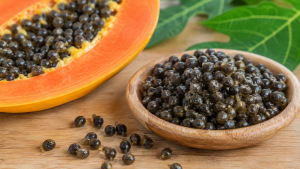
The first step is to choose a healthy, fully ripe papaya. Ripe fruits usually have yellow or orange skin and soft, sweet flesh.
A ripe papaya contains mature seeds that can be collected and prepared for planting. Cut the fruit open and scoop the seeds from the center.
Choose seeds from a healthy papaya that has no obvious signs of mold or disease. If possible, use seeds from a fruit grown in conditions similar to your own climate.
Keep in mind that papaya plants can vary in their characteristics, and growing a tree from seed does not always guarantee that the new plant will produce fruit identical to the parent plant.
2. Remove and Clean the Seeds
Papaya seeds are covered with a slippery, gelatinous coating that should be removed before planting.
Place the seeds in a bowl and gently rinse them with clean water. Rub them carefully between your fingers to remove as much of the outer coating as possible.
After cleaning, spread the seeds on a paper towel or clean surface and allow them to dry for a short period.
Fresh papaya seeds generally have a good chance of germinating when properly prepared and planted in suitable conditions.
3. Prepare the Seeds for Planting
You can plant fresh, cleaned papaya seeds directly into soil, but allowing them to dry briefly can make them easier to handle.
Some gardeners soak the seeds in clean water for several hours before planting. This can help soften the seed surface and may encourage more even germination.
Avoid storing seeds in damp conditions for long periods because excessive moisture can encourage mold.
For the best results, prepare more seeds than you need. Not every seed will necessarily germinate, so planting several seeds gives you a better chance of producing healthy seedlings.
4. Choose the Right Container
If you are growing papaya at home, starting the seeds in containers can make it easier to control the growing environment.
Choose small pots or seed-starting containers with drainage holes at the bottom. Good drainage is essential because papaya roots do not perform well in constantly waterlogged soil.
Fill the container with a light, well-draining potting mix. A mixture designed for seedlings or tropical plants can work well.
Avoid using heavy garden soil that becomes compacted and holds too much water.
5. Plant the Papaya Seeds
Plant the cleaned seeds in moist soil and cover them with a thin layer of potting mix. The seeds do not need to be buried deeply.
Water gently after planting to settle the soil around the seeds. The soil should be moist but not soaking wet.
Place the container somewhere warm and bright. Papaya seeds germinate best in warm conditions, so maintaining a consistently warm environment can improve germination.
Depending on growing conditions, seeds may begin to sprout within a few weeks.
6. Provide Plenty of Sunlight
Once the seedlings emerge, they need plenty of light to grow strong and healthy.
Place young papaya plants in a bright location where they can receive several hours of direct sunlight each day. If you are growing them indoors, a sunny window or suitable grow light can help provide enough light.
Insufficient sunlight may cause seedlings to become thin, weak, or stretched as they grow toward the light.
As the plants become larger, gradually provide them with more direct sunlight if they were initially grown in a protected indoor environment.
7. Water the Seedlings Properly
Young papaya plants need consistent moisture, especially while their roots are developing.
Water when the surface of the soil begins to dry. Avoid keeping the soil constantly saturated.
Too much water can cause root problems, while allowing the seedlings to dry out completely may slow their growth.
The ideal approach is to maintain evenly moist soil with good drainage. Always make sure excess water can escape through the drainage holes in the container.
8. Transplant the Papaya Seedlings
When the seedlings become larger and develop a strong root system, they can be moved into a larger container or planted outdoors.
Choose a sunny location with well-draining soil. Papaya plants need enough space to develop as they grow, so avoid planting them too close to buildings, fences, or other large plants.
When transplanting, handle the roots carefully. Dig a hole slightly larger than the root ball, place the plant at the same depth it was growing in the container, and gently fill the surrounding area with soil.
Water thoroughly after transplanting to help the plant settle into its new location.
9. Protect Young Papaya Plants
Young papaya plants can be sensitive to cold temperatures, strong winds, and extreme weather.
If you live in a cooler climate, growing papaya in a container may allow you to move the plant indoors or into a protected area when temperatures drop.
In warm climates, choose a location protected from strong winds. Papaya trees can grow tall and may be vulnerable to damage during storms.
Keeping young plants protected during their early growth can help them establish a stronger root system.
10. Fertilize Papaya Plants
Papaya plants are fast-growing and benefit from adequate nutrients.
Once the seedlings are established, provide a balanced fertilizer according to the product instructions. Fertilizing regularly during the growing season can support healthy leaves, stems, roots, and fruit production.
Avoid applying excessive fertilizer, especially around young seedlings. Too much fertilizer can damage roots or encourage weak, overly rapid growth.
As the plant develops, adjust your feeding routine based on its growth and the condition of the leaves.
11. Give the Plant Enough Space
Papaya plants need room to grow, particularly when they are planted in the ground.
Choose a location where the plant can receive plenty of sunlight throughout the day. Good air circulation around the plant can also help reduce problems associated with excessive humidity.
If growing papaya in containers, select a large, sturdy container as the plant grows. Make sure the container has adequate drainage holes.
Container-grown papayas may need to be repotted as their roots and stems develop.
12. Be Patient as the Plant Grows
One of the most rewarding parts of growing papaya from seeds is watching the plant develop from a tiny seedling into a tropical fruit tree.
Papaya plants can grow quickly under warm, sunny conditions, but fruit production depends on several factors, including climate, plant health, variety, and pollination.
Depending on the variety and growing environment, it may take several months before the plant begins producing flowers and fruit.
Regular care, plenty of sunlight, proper watering, and suitable nutrition can help your papaya plant reach its full potential.
Common Mistakes When Growing Papaya from Seeds
Beginners often make a few common mistakes when starting papaya plants from seeds.
The first is overwatering. Although papayas need regular moisture, constantly wet soil can damage the roots.
Another common problem is insufficient sunlight. Papayas are tropical plants that generally perform best in bright, sunny conditions.
Planting seeds too deeply can also make germination more difficult. Cover the seeds with only a thin layer of soil.
Finally, avoid exposing young plants to cold temperatures. Papaya plants prefer warm growing conditions and may suffer when temperatures become too low.
Final Thoughts
Growing papaya from seeds is an easy way to start a tropical fruit plant at home. Begin with seeds from a healthy ripe papaya, clean them carefully, and plant them in a light, well-draining growing medium.
With the right conditions and consistent care, a small papaya seed can eventually develop into a healthy tropical plant. For more information about papaya cultivation and care, explore our complete guide to growing papaya fruit.