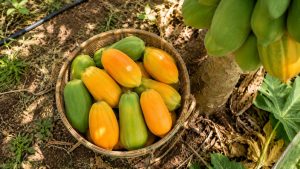
Papaya fruit is a tropical favorite known for its soft orange flesh, sweet flavor, and refreshing aroma. The fruit is easy to enjoy fresh and can also be used in smoothies, salads, desserts, sauces, and many other recipes.
Papaya is also a fast-growing tropical plant that can produce fruit relatively quickly when grown under suitable conditions. Warm temperatures, plenty of sunlight, fertile soil, and consistent moisture are important for healthy growth.
Whether you want to learn about papaya fruit, choose a ripe one, prepare delicious dishes, or grow your own papaya plant, understanding the basics can help you get better results.
What Is Papaya Fruit?
Papaya is the fruit of Carica papaya, a tropical plant native to the Americas. Today, it is grown in many warm regions around the world.
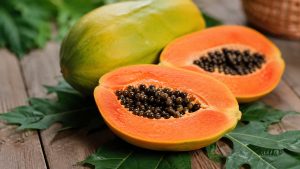
The fruit is usually oval or elongated, with smooth green skin that changes to yellow or orange as it ripens. The flesh is typically orange or reddish-orange and surrounds a central cavity filled with small black seeds.
Ripe papaya has a soft texture and sweet, musky flavor. Unripe green papaya is firmer and is commonly used in salads, stir-fries, pickles, and cooked dishes.
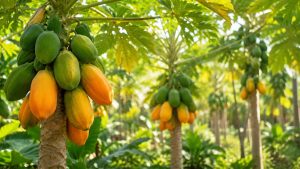
Papaya plants grow quickly and can begin producing fruit relatively early compared with many other tropical fruit trees.
What Does Papaya Taste Like?
Ripe papaya has a soft, juicy texture and a mildly sweet tropical flavor. Some varieties are sweeter and more aromatic than others.
The flavor is usually best when the fruit is fully ripe but not overly soft.
Green papaya has a completely different texture and flavor. It is crisp and relatively mild, which makes it useful for savory dishes and fresh salads.
The black seeds have a strong, peppery taste and are usually removed before eating the fruit.
Papaya Fruit Nutrition
Papaya provides several nutrients while being naturally low in fat. It contains vitamin C, vitamin A in the form of carotenoids, folate, potassium, and dietary fiber.
The orange color of ripe papaya comes partly from naturally occurring carotenoids.
Eating whole papaya provides fiber that may be reduced when the fruit is processed into strained juice.
As with other fruits, papaya is best enjoyed as part of a varied and balanced diet.
Health Benefits of Papaya
Supports Immune Health
Papaya provides vitamin C, an essential nutrient involved in normal immune system function. Including papaya and other fruits in the diet can help meet daily nutritional needs.
Supports Healthy Digestion
Papaya contains dietary fiber, which supports normal digestion and regular bowel movements.
Papaya also contains an enzyme called papain. Papain is a naturally occurring proteolytic enzyme that helps break down proteins and is commonly used in food processing.
Provides Antioxidant Compounds
Papaya contains vitamin C and carotenoids with antioxidant properties. These naturally occurring compounds contribute to the nutritional value of the fruit.
Supports Eye Health
Papaya provides carotenoids, including beta-carotene, which the body can use to make vitamin A. Vitamin A is important for normal vision and other body functions.
Popular Papaya Varieties
Papayas come in many varieties that differ in size, shape, sweetness, texture, and growing characteristics.
Solo Papaya
Solo papayas are relatively small and are popular for fresh eating. They generally have sweet orange or reddish-orange flesh.
Red Lady Papaya
Red Lady is a popular hybrid variety known for relatively large fruit and sweet reddish-orange flesh. It is widely grown in tropical and subtropical regions.
Maradol Papaya
Maradol produces large, elongated fruits with orange-red flesh. It is commonly grown for commercial production and fresh markets.
Sunrise Papaya
Sunrise-type papayas are valued for their sweet flavor and colorful flesh. Some varieties have a relatively small seed cavity and plenty of edible flesh.
When choosing a variety for your garden, consider your climate, available space, fruit size, disease resistance, and whether the plant is suitable for your growing conditions.
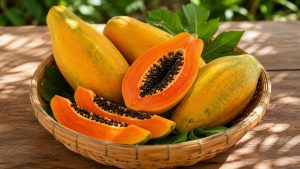
How to Choose a Ripe Papaya
Choosing a ripe papaya is easier when you look at several signs rather than color alone.
A ripe papaya usually:
- Has yellow or orange areas on the skin
- Feels slightly soft when gently pressed
- Has a sweet tropical aroma
- Feels relatively heavy for its size
- Has flesh that gives slightly under gentle pressure
If the fruit is very firm and mostly green, it may need more time to ripen.
Avoid fruit with extensive soft spots, mold, or damaged areas.
How to Eat Papaya
Papaya is simple to prepare.
Wash the fruit, cut it lengthwise, and scoop out the black seeds. Remove the skin and cut the flesh into slices or cubes.
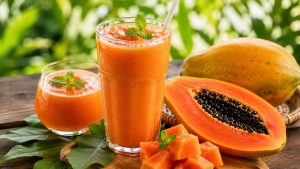
You can enjoy ripe papaya:
- Fresh as a snack
- With yogurt
- In fruit salads
- In smoothies
- With lime juice
- In breakfast bowls
- In desserts
- With other tropical fruits
A small amount of lime or lemon juice can enhance the natural sweetness and aroma of ripe papaya.
Delicious Papaya Recipes
Papaya Smoothie
For a simple tropical smoothie, blend ripe papaya with banana, yogurt, and a small amount of milk or water.
Add ice if you prefer a colder drink.
Papaya and Lime Salad
Combine ripe papaya cubes with lime juice and other fresh fruits for a light and refreshing fruit salad.
For a savory option, use shredded green papaya with vegetables and a flavorful dressing.
Papaya Yogurt Bowl
Add diced ripe papaya to plain yogurt and top with oats, nuts, or other fruit.
This makes a quick breakfast or snack without requiring complicated preparation.
Green Papaya Salad
Green papaya is commonly shredded and combined with vegetables, herbs, and a flavorful dressing.
Because green papaya is firm rather than soft and sweet, it works especially well in savory dishes.
How to Grow Papaya
Papaya is one of the more rewarding tropical fruits for home gardeners because it grows quickly under suitable conditions.
Choose a Sunny Location
Papaya needs plenty of sunlight for vigorous growth and fruit production.
Choose a location that receives full sun for most of the day. Avoid planting in deep shade because insufficient light can lead to weak growth and poor fruit production.
Use Well-Drained Soil
Papaya roots are sensitive to prolonged waterlogging.
Choose fertile, loose soil with good drainage. If your garden soil drains poorly, plant papaya on a raised mound or improve drainage before planting.
Organic matter can help improve soil structure and nutrient availability.
Plant in Warm Conditions
Papaya is a tropical plant and grows best in warm weather.
Protect young plants from cold temperatures and strong winds. Cold conditions can slow growth and damage the plant.
Choose a sheltered location when possible.
Water Regularly
Papaya grows quickly and needs adequate moisture, especially during establishment and fruit development.
Water deeply when the soil begins to dry. Avoid keeping the root zone constantly saturated.
During hot or dry weather, the plant may require more frequent watering.
Fertilize for Strong Growth
Because papaya grows rapidly, it benefits from a steady supply of nutrients.
A balanced fertilizer can be applied according to the product label. Organic compost can also help improve soil quality.
Avoid excessive fertilizer applications. More fertilizer does not necessarily mean better fruit production.
Protect the Plant From Wind
Papaya plants can become tall and may be vulnerable to strong winds.
Planting near a suitable windbreak can reduce physical damage. However, avoid placing the plant where it will be heavily shaded.
Male, Female, and Hermaphrodite Papaya Plants
Papaya plants can have different flower types depending on the variety.
Some plants produce primarily female flowers, while others produce male flowers or flowers that contain both male and female reproductive structures.
Hermaphroditic plants are often preferred by home gardeners because a single plant may be capable of producing fruit.
If you are growing papaya from seed, the sex characteristics of the resulting plants can vary depending on the genetics and variety.
For more reliable fruit production, choose seeds or plants from a reputable source and select varieties suited to your growing conditions.
How Long Does Papaya Take to Produce Fruit?
Papaya can produce fruit relatively quickly compared with many perennial fruit crops.
Under favorable conditions, some plants can begin flowering within the first year and may produce fruit after flowering and successful pollination.
The exact timing depends on the variety, temperature, sunlight, soil, nutrition, and plant health.
Warm temperatures and consistent growing conditions can encourage faster development.
When Is Papaya Ripe?
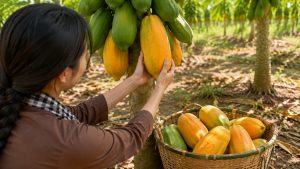
Papaya is usually ready to eat when the skin begins changing from green to yellow or orange and the fruit becomes slightly soft.
A ripe papaya should also develop a pleasant tropical aroma.
If you want to eat the fruit several days later, choose one that is still partly green and allow it to ripen at room temperature.
Once fully ripe, papaya can be refrigerated to slow further softening.
How to Harvest Papaya
Papayas can be harvested at different stages depending on how they will be used.
For fresh eating, allow the fruit to develop significant yellow or orange color and soften slightly.
For transport or later ripening, fruit may be harvested while still partly green.
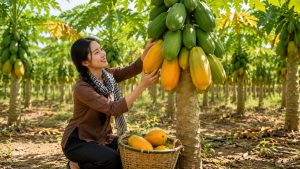
Use a clean knife or pruning tool to cut the fruit from the plant. Handle it carefully to avoid bruising.
How to Store Papaya
Unripe papaya can be kept at room temperature until it reaches the desired ripeness.
Once ripe, refrigerate the whole fruit to slow further softening.
Cut papaya should be placed in a clean covered container and refrigerated. For the best quality, consume it relatively soon after cutting.
If you have more ripe papaya than you can eat, freezing the flesh in pieces is another practical option for smoothies.
Common Papaya Growing Problems
Papaya Pests
Papaya plants can be affected by aphids, whiteflies, mites, mealybugs, and other pests depending on the growing region.
Inspect leaves and young growth regularly. Early detection can make pest management easier.
Root Problems
Poor drainage and excessive watering can cause root problems.
If the plant looks weak despite receiving plenty of water, check whether the soil remains wet for long periods.
Leaf Yellowing
Yellow leaves can result from several causes, including nutrient deficiencies, water stress, poor drainage, or natural aging.
Check growing conditions before applying additional fertilizer.
Poor Fruit Production
Poor fruit production can occur because of insufficient sunlight, unsuitable temperatures, pollination issues, nutrient imbalance, or plant stress.
Providing stable growing conditions is usually the best starting point.
Tips for Growing Papaya Successfully
For healthy papaya plants and better fruit production:
- Plant in full sun.
- Use fertile, well-drained soil.
- Protect young plants from cold.
- Provide regular moisture without waterlogging.
- Fertilize moderately during active growth.
- Protect tall plants from strong winds.
- Monitor leaves for pests.
- Remove damaged plant material when necessary.
- Choose a variety suited to your climate.
- Harvest fruit according to how you plan to use it.
Consistent care is more important than complicated techniques.
Conclusion
Papaya fruit is a flavorful tropical fruit that can be enjoyed in many ways. Ripe papaya is naturally sweet and soft, while green papaya provides a crisp texture that works well in savory dishes and salads.
The fruit provides vitamin C, carotenoids, fiber, and other nutrients that can contribute to a balanced diet. It is also easy to prepare for smoothies, fruit salads, yogurt bowls, and fresh snacks.
For gardeners, papaya can be especially rewarding because it grows quickly in warm conditions. Full sunlight, fertile well-drained soil, adequate moisture, balanced nutrition, and protection from cold and strong winds can help support healthy growth and fruit production.
Choosing a suitable variety and paying attention to ripeness are two simple ways to enjoy better results from both the garden and the kitchen.
FAQ About Papaya Fruit
Is papaya good for you?
Papaya provides vitamin C, carotenoids, fiber, folate, potassium, and other nutrients. It can be a nutritious part of a varied and balanced diet.
Can you eat papaya seeds?
Papaya seeds are edible, but they have a strong peppery flavor and are usually removed before eating the fruit.
How do you know when papaya is ripe?
Ripe papaya usually develops yellow or orange skin, becomes slightly soft when gently pressed, and develops a sweet tropical aroma.
How long does it take to grow papaya?
Papaya can grow and produce fruit relatively quickly in warm conditions. Some plants may begin flowering within the first year, depending on the variety and growing environment.
Does papaya need full sun?
Yes. Papaya grows best in full sun with plenty of direct light throughout the growing season.
How often should you water papaya?
Water papaya when the soil begins to dry, providing enough moisture for healthy growth without leaving the roots constantly waterlogged.
Can papaya grow in a pot?
Yes. Papaya can be grown in a large container if it receives enough sunlight, has excellent drainage, and receives appropriate water and nutrients. Dwarf or compact varieties are generally better suited to containers.
What can you make with ripe papaya?
Ripe papaya can be used in smoothies, fruit salads, yogurt bowls, desserts, fresh snacks, and refreshing tropical drinks.