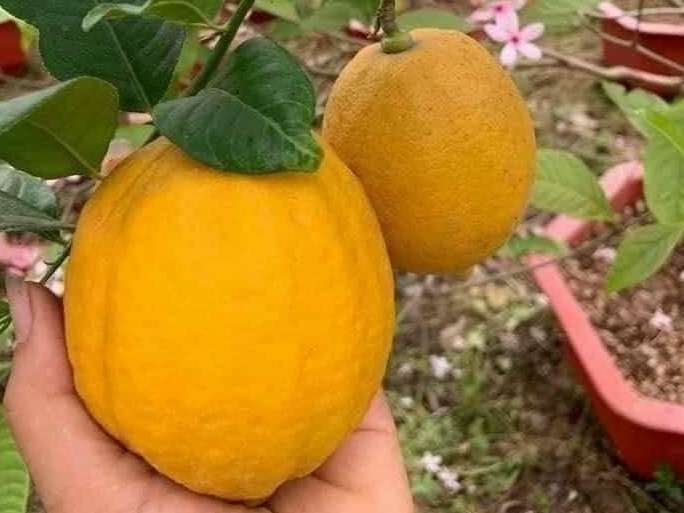
Growing a tangerine tree at home can be a rewarding project. With glossy green leaves, fragrant flowers, and colorful fruit, a healthy tree can be both productive and attractive in a garden.
Tangerine trees generally prefer warm conditions, plenty of sunlight, well-draining soil, and consistent moisture. They can be grown outdoors in suitable climates or in containers where winters are too cold for citrus trees to remain outside year-round.
The key is to choose a suitable variety and give the tree the growing conditions it needs from planting through harvest.
Choose the Right Tangerine Tree
Start with a healthy nursery tree rather than growing from a seed if your goal is to produce fruit sooner and more predictably.
Nursery citrus trees are often grafted onto rootstocks selected for particular growing conditions. Different varieties and rootstocks can vary in mature size, cold tolerance, fruit characteristics, and growth habits.
Before buying a tree, consider:
- Your local climate
- Available sunlight
- Garden space
- Soil drainage
- Whether you plan to grow in a container
- The typical mature size of the tree
If your winters are too cold for citrus, a dwarf or container-friendly variety may be easier to manage.
Pick a Sunny Location
Sunlight is one of the most important factors when growing a tangerine tree.
Choose a location that receives plenty of direct sunlight throughout the day. A sunny position helps support healthy leaf growth, flowering, and fruit development.
For outdoor trees, avoid planting directly beside structures or larger trees that create heavy shade.
Good air circulation is also useful. Leave enough space around the tree so that air can move through the branches rather than planting it in a crowded corner of the garden.
Prepare Well-Draining Soil
Tangerine trees prefer soil that drains well.
Poor drainage can leave the roots sitting in excess water, which can create unfavorable conditions for root health. Heavy clay soil may therefore need improvement before planting.
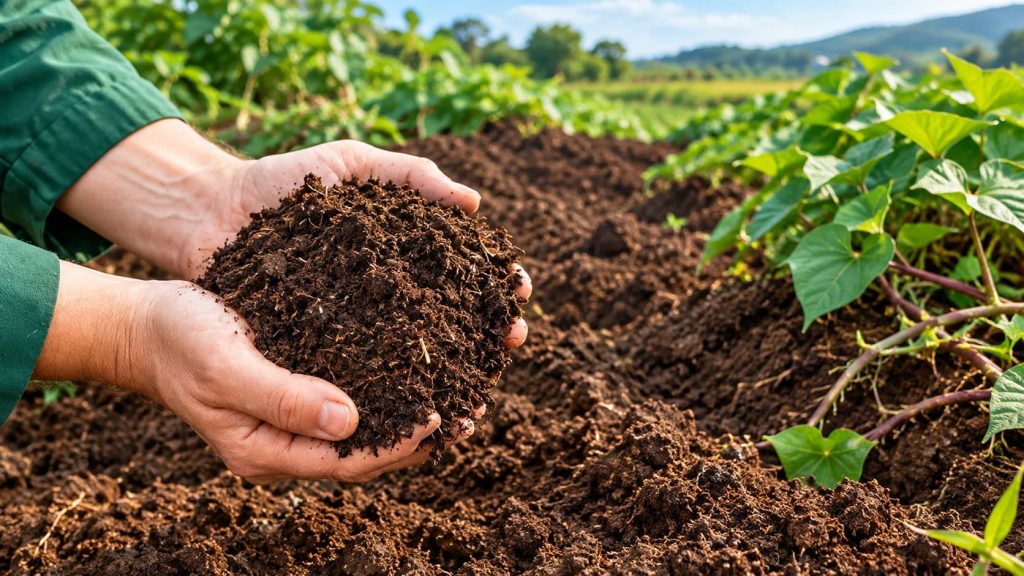
If your garden soil drains slowly, consider planting the tree in a raised area or improving the planting site with suitable organic material according to local gardening recommendations.
The goal is not simply to make the soil rich. It is to create a root environment where water can drain while enough moisture remains available for the tree.
How to Plant a Tangerine Tree
Choose a planting location with enough room for the tree to grow.
Dig a hole that is wider than the root ball but not unnecessarily deep. Place the tree so that the top of the root ball sits at approximately the same level as the surrounding soil.
Avoid burying the trunk or graft union.
Backfill around the roots with the soil removed from the planting hole. Gently firm the soil without compacting it excessively.
Water thoroughly after planting to help settle the soil around the roots.
Adding a layer of mulch around the root zone can help conserve soil moisture, but keep the mulch away from direct contact with the trunk.
Watering a Young Tangerine Tree
Newly planted trees need regular watering while their root systems become established.
Water deeply enough to moisten the root zone, then allow the soil to begin drying slightly before watering again. The exact schedule depends on temperature, rainfall, soil type, and the tree’s size.
During hot, dry weather, the tree may need water more frequently.
Avoid keeping the soil constantly saturated. Citrus trees generally perform better when the roots have access to both moisture and air.
As the tree becomes established, its watering needs may become more predictable, but you should still adjust your routine according to weather and soil conditions.
Fertilizing a Tangerine Tree
Tangerine trees need nutrients for healthy growth and fruit production.
Citrus fertilizers are commonly formulated to provide nutrients required by citrus trees. Follow the product label carefully and avoid applying more fertilizer than recommended.
Young trees generally have different nutrient requirements from mature fruiting trees.
Yellowing leaves, weak growth, or poor fruit development can sometimes be associated with nutrient problems, but these symptoms can have multiple causes. Soil testing can be useful when a deficiency is suspected.
Rather than fertilizing heavily on a fixed schedule, consider the tree’s age, growth, soil conditions, and local recommendations.
Pruning and Shaping
Tangerine trees generally do not require heavy pruning.
Remove dead, damaged, or diseased branches when necessary. You can also remove branches that cross, rub against each other, or grow in an undesirable direction.
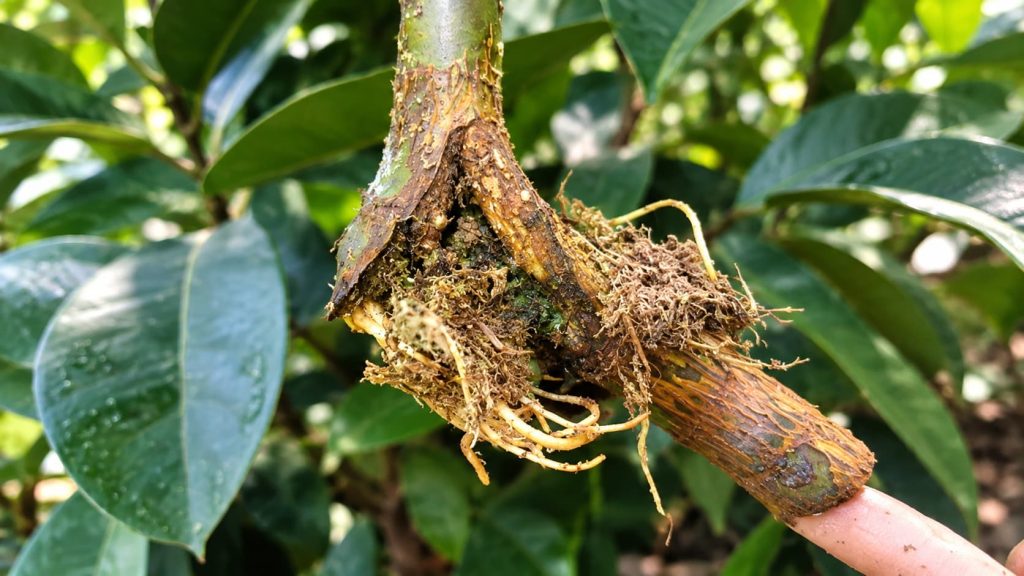
Any shoots emerging from below the graft union should also be removed because they can compete with the desired tree growth.
Avoid excessive pruning, especially when the tree is young. Removing too much healthy foliage can reduce the tree’s ability to support growth.
Use clean, sharp pruning tools and make appropriate cuts rather than leaving large damaged stubs.
Protect the Tree From Cold
Citrus trees prefer warm conditions, and cold weather can damage tender growth.
If you live in an area with occasional cold temperatures, monitor the forecast during winter and be prepared to protect young trees when necessary.
Container-grown tangerines have an advantage because they can potentially be moved to a protected location during periods of cold weather.
The exact cold tolerance depends on the variety, tree age, rootstock, and duration of the cold. Do not assume that every tangerine tree has the same tolerance.
Growing Tangerines in Containers
A tangerine tree can be grown in a large container when outdoor garden space or climate is limiting.
Choose a container with drainage holes and use a well-draining potting mix suitable for citrus or container-grown plants.
The container should provide enough room for the root system without being excessively large.
Container trees dry out more quickly than trees planted in the ground, particularly during hot weather. Check the soil regularly and water when needed.
Place the container in a sunny location and rotate it occasionally if necessary to encourage balanced growth.
As the tree grows, it may eventually need repotting or root management.
Common Tangerine Tree Problems
Tangerine trees can experience several common gardening problems.
Yellow Leaves
Yellowing leaves may result from watering problems, nutrient deficiencies, root stress, or other environmental conditions.
Check soil moisture and drainage before assuming that fertilizer is needed.
Pests
Citrus trees can attract pests such as aphids, scale insects, and mites. Inspect the leaves and young shoots regularly.
Early detection makes it easier to respond before a pest population becomes widespread.
Fungal Problems
Excessive moisture and poor air circulation can create conditions that favor certain fungal diseases.
Avoid unnecessary overhead watering and maintain good spacing around the tree.
If you notice unusual leaf spots, branch dieback, or fruit problems, identify the specific issue before choosing a treatment.
When Will a Tangerine Tree Produce Fruit?
The time to fruit depends heavily on how the tree was propagated.
A grafted nursery tree can usually produce fruit much sooner than a tree grown from seed. Seed-grown citrus may take many years to reach fruiting maturity, and the resulting fruit may not be identical to the parent fruit.
Even a healthy grafted tree may need time to establish itself after planting.
Flowering and fruit production are also influenced by sunlight, temperature, water, nutrition, tree age, and variety.
Patience is an important part of growing citrus.
Harvesting Tangerines
Tangerines should generally be harvested when the fruit has developed its characteristic color, flavor, and maturity for the specific variety.
Color alone is not always a perfect indicator because different varieties can mature with different skin colors.
Taste is often a useful guide for home growers. If fruit has reached the expected appearance and size, pick one and assess its flavor.
When harvesting, avoid pulling hard on the fruit or damaging the branches. Use clean pruning shears if the fruit does not detach easily.
Handle harvested tangerines gently to reduce bruising.
Final Thoughts
Growing a tangerine tree at home requires patience, but the basic care routine is straightforward. Start with a healthy tree, provide plenty of sunlight, choose well-draining soil, and maintain consistent but not excessive moisture.
Regular observation is just as important as watering and fertilizing. Check the leaves, branches, soil, and developing fruit so you can notice problems early.
If you live in a suitable warm climate, an in-ground tree can eventually become a productive part of the garden. In colder areas, growing a compact tree in a container may offer more flexibility.
With the right variety and growing conditions, your tangerine tree can provide fragrant flowers, attractive foliage, and homegrown citrus for years.
FAQ About Growing Tangerine Trees
How much sunlight does a tangerine tree need?
Tangerine trees generally perform best in a sunny location with plenty of direct light each day.
How often should I water a tangerine tree?
Watering frequency depends on soil, temperature, rainfall, and tree age. Water when the soil begins to dry rather than keeping it constantly saturated.
Can I grow a tangerine tree in a pot?
Yes. Compact varieties can be suitable for containers when provided with good drainage, adequate sunlight, and appropriate care.
How long does a tangerine tree take to produce fruit?
A grafted nursery tree can fruit sooner than a seed-grown tree. The exact timing depends on variety, age, growing conditions, and establishment after planting.
Should I prune a tangerine tree?
Light pruning can remove dead, damaged, crossing, or unwanted branches. Heavy pruning is usually unnecessary.
Why are my tangerine tree leaves turning yellow?
Yellow leaves can have several causes, including watering problems, poor drainage, nutrient issues, or root stress. Check the growing conditions before taking corrective action.
Can tangerine trees survive cold weather?
Cold tolerance varies by variety and growing conditions. Young trees are generally more vulnerable to cold, so protection may be necessary in regions with freezing temperatures.