Tangerine is a small, fragrant citrus fruit with bright orange skin, juicy segments, and a naturally sweet flavor. Easy to peel and enjoy, it is a popular fruit for snacking and can also add a fresh citrus touch to salads, desserts, and drinks.

Although tangerines look similar to oranges, they have their own characteristics. Their smaller size, loose skin, fragrant aroma, and usually sweeter taste make them especially popular during the cooler months.
What Is a Tangerine?
A tangerine is a type of citrus fruit belonging to the genus Citrus. It is closely related to oranges, mandarins, clementines, and other small citrus fruits.
The name “tangerine” is commonly used for certain types of mandarins. In everyday English, the terms can sometimes overlap, although they do not always refer to exactly the same fruit.
Tangerines typically have a thin, loose peel that separates easily from the flesh. Inside, the fruit is divided into several juicy segments covered by thin membranes.

The flesh can range from pale orange to deep orange, depending on the variety and growing conditions.
What Does a Tangerine Look Like?
Tangerines are generally smaller than common sweet oranges. Their shape is often slightly flattened rather than perfectly round.
The peel is usually bright orange or reddish-orange when ripe. One of their most recognizable features is the loose skin, which makes them relatively easy to peel by hand.
Inside the peel are several individual segments. Each segment contains juice-filled sacs and may contain seeds, depending on the variety.
A ripe tangerine should feel firm but slightly springy when gently pressed. The skin may have a naturally uneven texture, which does not necessarily indicate poor quality.

What Does a Tangerine Taste Like?
Tangerines are usually sweet, juicy, and pleasantly fragrant.
Compared with many oranges, they often have a softer and more aromatic flavor. Some varieties are almost candy-sweet, while others have a noticeable balance of sweetness and acidity.
The flavor can also change depending on the variety and maturity of the fruit.
A fully ripe tangerine generally has:
- A sweet citrus flavor
- A refreshing acidity
- Plenty of juice
- A strong citrus aroma
- Tender flesh that separates easily into segments
Some tangerines contain seeds, while others are seedless or have very few seeds.
Tangerine vs. Mandarin: Are They the Same?
Tangerine and mandarin are closely related terms, but they are not always used in exactly the same way.
Mandarin refers to a broader group of small citrus fruits. Tangerines are commonly considered a type or subgroup of mandarin.
This is why the names can be confusing. Different countries, growers, sellers, and even grocery stores may use the terms differently.
Clementines and satsumas, for example, are also types of mandarins, but they have their own characteristics.
In simple terms, you can think of mandarin as the broader group and tangerine as one type within that group.
Tangerine Varieties
There are many varieties and hybrids associated with tangerines and mandarins. They can differ in size, flavor, seed content, peel color, and harvest season.
Some commonly encountered types include:
Dancy Tangerine
Dancy is a traditional tangerine variety known for its deep orange color and strong citrus aroma. It tends to have a rich, sweet-tart flavor.
Honey Tangerine
Honey tangerines are valued for their particularly sweet flavor. They are sometimes sold under different names depending on the market.
Sunburst Tangerine
Sunburst is a hybrid known for its attractive orange color, juicy flesh, and relatively easy-to-peel skin.
Fairchild Tangerine
Fairchild is another citrus hybrid that produces small, flavorful fruits. It is especially associated with warm citrus-growing regions.
The exact availability of these varieties depends on the region and growing season.
Tangerine Nutrition
Tangerines are a nutrient-rich fruit that can fit easily into a balanced diet.
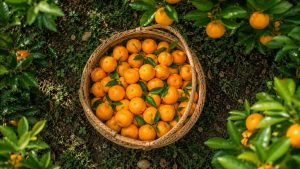
They provide vitamin C, along with other vitamins, minerals, water, and naturally occurring plant compounds.
Because tangerines are naturally sweet, they also contain carbohydrates in the form of naturally occurring sugars.
The nutritional content varies according to fruit size and variety, but a typical serving provides:
- Vitamin C
- Folate
- Potassium
- Water
- Natural carbohydrates
- Dietary fiber
Eating the whole fruit also provides fiber that is not present in the same way in filtered citrus juice.
When Are Tangerines in Season?
Tangerine season depends heavily on the variety and growing region.
In many areas of the Northern Hemisphere, tangerines become widely available during fall and winter. Some varieties can be harvested earlier, while others remain available later in the season.
Warm climates can support citrus production for much of the year, but the peak season still depends on the cultivar and local weather conditions.
This seasonal availability is one reason tangerines are often associated with winter.
How Do You Know When a Tangerine Is Ripe?
Color can provide a useful clue, but it is not the only thing to consider.
A ripe tangerine generally has a pleasant citrus aroma and feels heavy for its size because of its juice content.
The fruit should usually feel firm but not rock-hard. A little softness is normal, but excessive softness, leaking juice, or damaged areas may indicate that the fruit is past its best.
When buying tangerines, look for fruits that have:
- Bright, healthy-looking skin
- A fresh citrus aroma
- Good weight for their size
- Firm but slightly yielding flesh
- No large soft spots or mold
Minor blemishes on the peel do not necessarily mean the inside of the fruit is poor.
How to Eat a Tangerine
One of the easiest things about tangerines is that they usually require very little preparation.
Simply wash the fruit, peel away the skin, separate the segments, and remove seeds if necessary.

The segments can be eaten on their own or added to:
- Fruit salads
- Green salads
- Yogurt
- Oatmeal
- Desserts
- Smoothies
- Homemade sauces
The peel is also highly aromatic. In culinary applications, finely grated citrus zest can sometimes be used to add flavor, provided the fruit has been properly washed and the peel is suitable for that use.
How to Store Tangerines
Tangerines can be stored at room temperature for a short period, especially if they will be eaten soon.
For longer storage, refrigeration can help slow deterioration.
Keep the fruit in a place with good air circulation and check it regularly. If one fruit develops mold, remove it from the group so the problem does not spread to nearby fruit.
Once peeled, tangerine segments should be refrigerated in a clean, covered container and eaten within a reasonable period.
Can You Grow a Tangerine Tree?
Yes, tangerines can be grown at home in suitable climates.
Tangerine trees prefer warm conditions, plenty of sunlight, and well-drained soil. They generally perform best in locations where temperatures remain comfortably warm for most of the growing season.
In cooler climates, some gardeners grow citrus in containers so the plant can be moved into a protected location during cold weather.
Important growing conditions include:
- Full sunlight
- Well-draining soil
- Regular but not excessive watering
- Protection from severe cold
- Adequate space for root and canopy growth
Many commercial citrus trees are grafted, which can help them produce fruit more reliably than trees grown from seeds.
How Long Does a Tangerine Tree Take to Produce Fruit?
The time required depends on how the tree was propagated.
A grafted or nursery-grown tree can begin producing fruit considerably sooner than a tree grown from seed.
A seed-grown tangerine tree may take several years before producing its first meaningful crop, and the resulting fruit may not be identical to the fruit from which the seed came.
For home gardeners who want fruit sooner, a healthy grafted tree from a reputable nursery is generally a more practical choice.
Common Problems When Growing Tangerines
Like other citrus trees, tangerines can experience problems caused by pests, diseases, environmental stress, and poor growing conditions.
Common issues may include:
- Aphids
- Scale insects
- Citrus leaf miners
- Spider mites
- Fungal diseases
- Root problems caused by excessive moisture
- Nutrient deficiencies
- Cold damage
Regularly inspecting the leaves, branches, and developing fruit can help gardeners notice problems early.
Good drainage, adequate sunlight, appropriate watering, and general tree care are important parts of keeping a citrus tree healthy.
Tangerines and Everyday Cooking
Tangerines are useful beyond simply eating them fresh.
Their sweet-tart flavor works well in both sweet and savory dishes. Fresh segments can brighten salads, while their juice can be incorporated into sauces, marinades, or beverages.
The aromatic peel can also contribute citrus flavor when used appropriately.
Because the fruit is naturally portable and easy to peel, however, one of the simplest ways to enjoy a tangerine is still to eat it fresh.
Final Thoughts
Tangerines are small citrus fruits with a lot to offer. Their loose skin, juicy segments, sweet flavor, and refreshing aroma make them easy to enjoy without much preparation.
Although they are closely related to mandarins and other citrus fruits, tangerines have their own familiar place in kitchens, grocery stores, and home gardens.
For gardeners, growing a tangerine tree can also be rewarding when the climate provides enough warmth and sunlight. With suitable care, a healthy tree can eventually produce fragrant blossoms followed by colorful, juicy fruit.
FAQ About Tangerines
Is a tangerine the same as an orange?
No. Tangerines and oranges are closely related citrus fruits, but they differ in size, peel, flavor, and other characteristics.
Is a tangerine the same as a mandarin?
Tangerine is commonly used for certain types of mandarins. Mandarin is generally the broader term.
Are tangerines sweet?
Most tangerines are sweet with a refreshing citrus acidity, although the exact flavor depends on the variety and growing conditions.
Are tangerines easy to peel?
Yes. Their relatively loose skin is one of their most recognizable characteristics and usually makes them easier to peel than many common oranges.
Can you grow a tangerine tree from a seed?
Yes, but seed-grown trees can take several years to produce fruit, and the fruit may differ from the parent plant. Grafted nursery trees are generally used when more predictable fruit production is desired.
Where do tangerines grow best?
Tangerines generally grow best in warm climates with plenty of sunlight and well-drained soil. Some varieties can also be grown in containers in cooler regions.
How should fresh tangerines be stored?
Tangerines can be kept at room temperature for short-term use or refrigerated to extend their freshness. Check them regularly and remove fruit that shows signs of mold or significant spoilage.