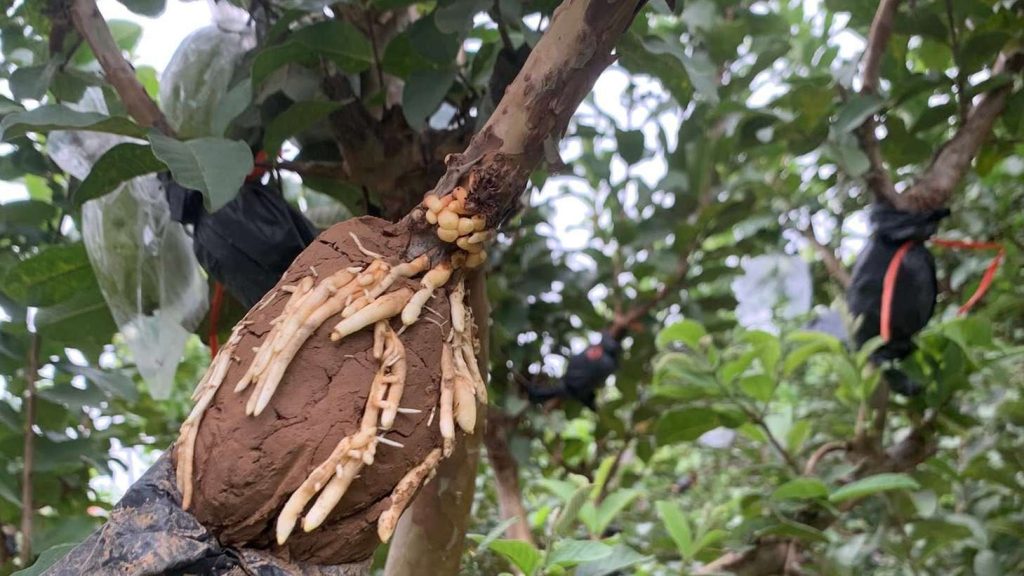
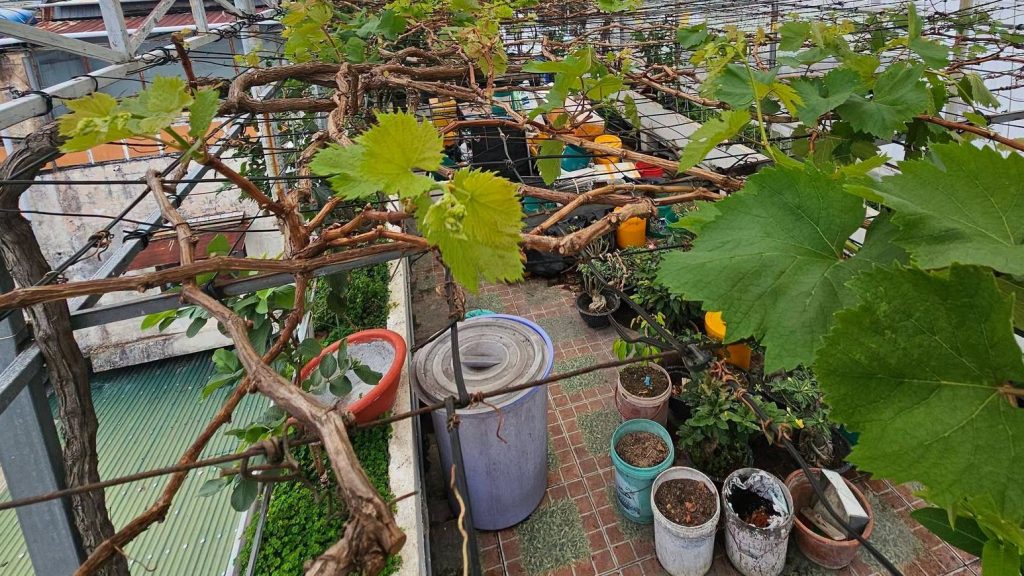
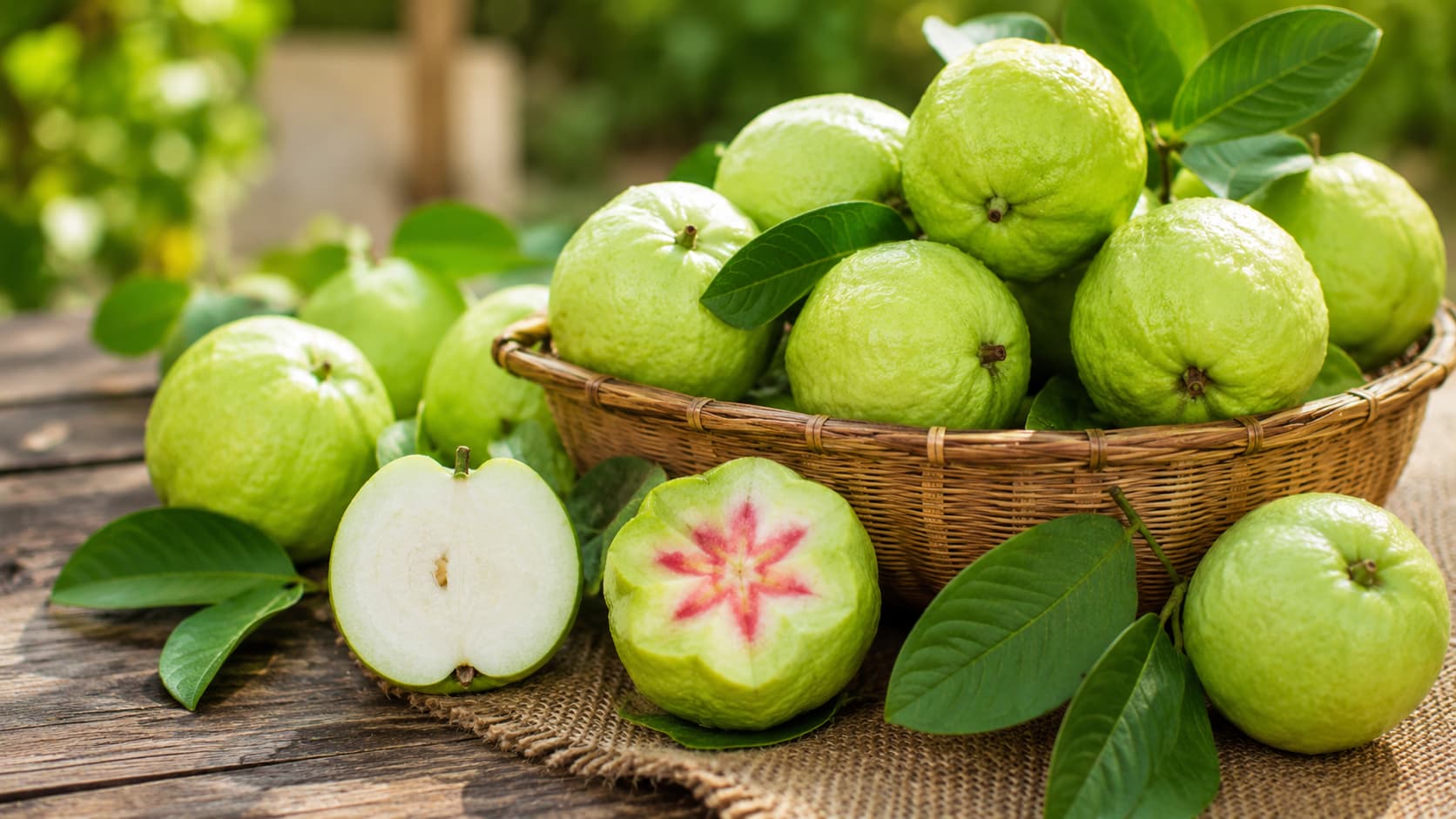
Guava is a tropical fruit known for its sweet, fragrant flavor and soft flesh filled with small edible seeds. Depending on the variety, the flesh can be white, pink, red, or yellow. Guava trees are relatively easy to grow in warm climates and can produce fruit several times a year when given the right care.
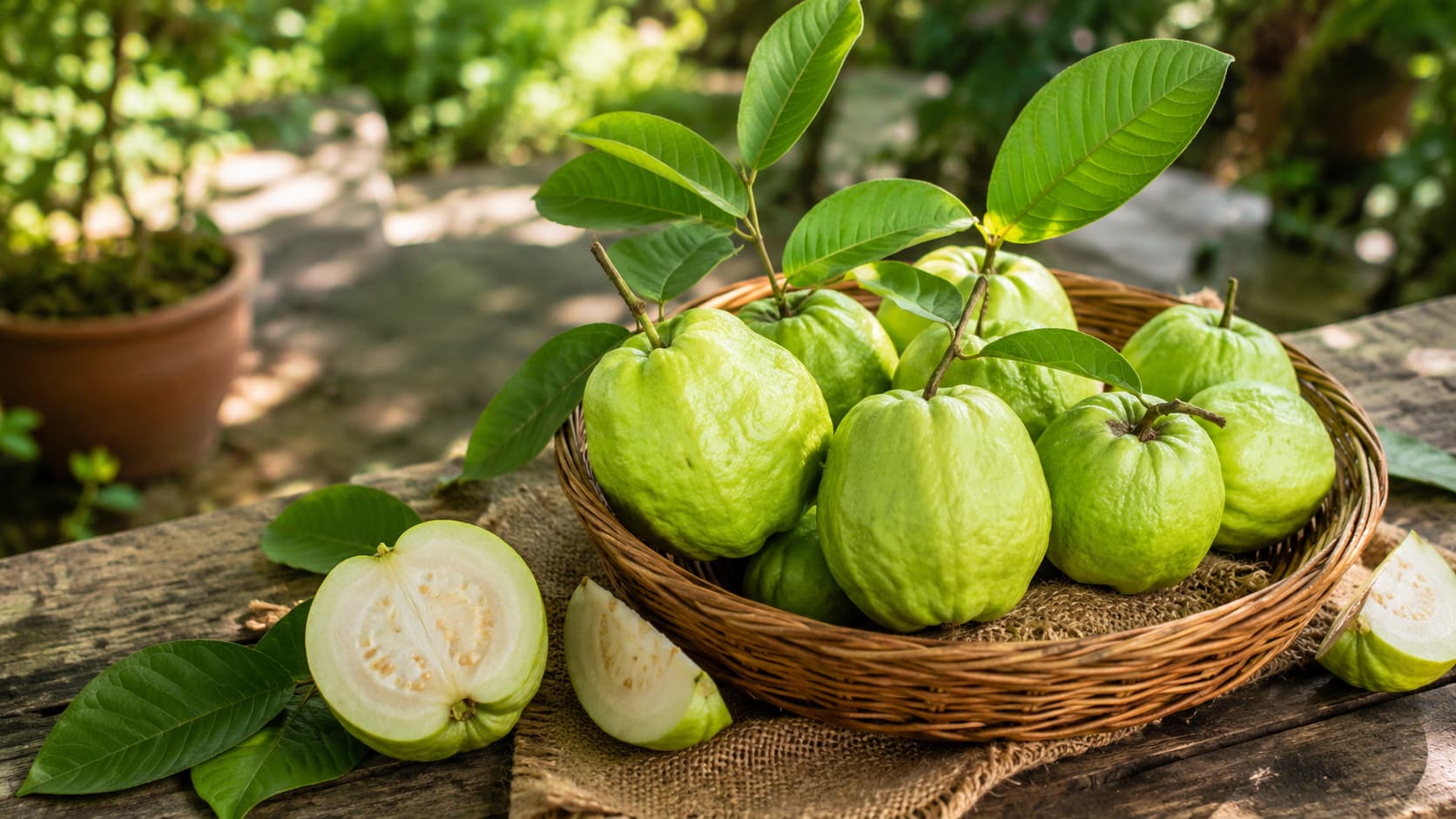
This fruit is enjoyed fresh, in smoothies, juices, desserts, jams, and many other recipes. Besides its delicious taste, guava provides fiber, vitamin C, and other nutrients that make it a useful addition to a balanced diet.
What Is Guava?
Guava is the fruit of trees in the Psidium genus, with common guava (Psidium guajava) being the best-known species. It is native to tropical areas of the Americas and is now cultivated in many warm regions around the world.
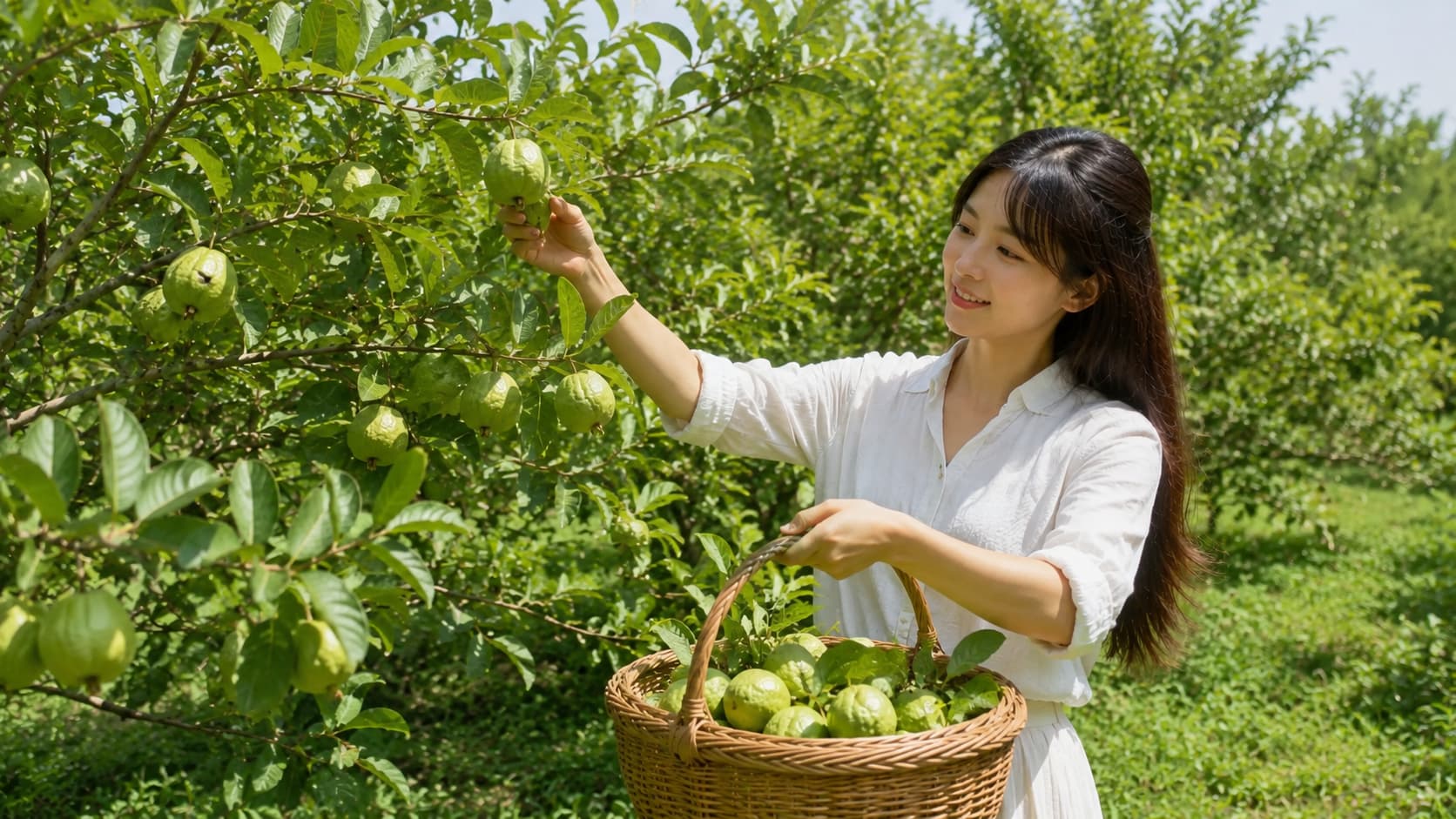
A mature guava fruit usually has a round, oval, or slightly pear-shaped appearance. The skin may remain green when immature and turn yellowish or lighter as the fruit ripens.
The flesh is soft and juicy, with a distinctive tropical aroma. Some varieties have many seeds, while others have fewer and softer seeds.
What Does Guava Taste Like?
Ripe guava has a sweet, slightly tangy flavor with a strong tropical fragrance. The exact taste depends on the variety and ripeness.
Some guavas taste more floral and sweet, while others have a refreshing acidity. Pink and red-fleshed varieties are often especially aromatic.
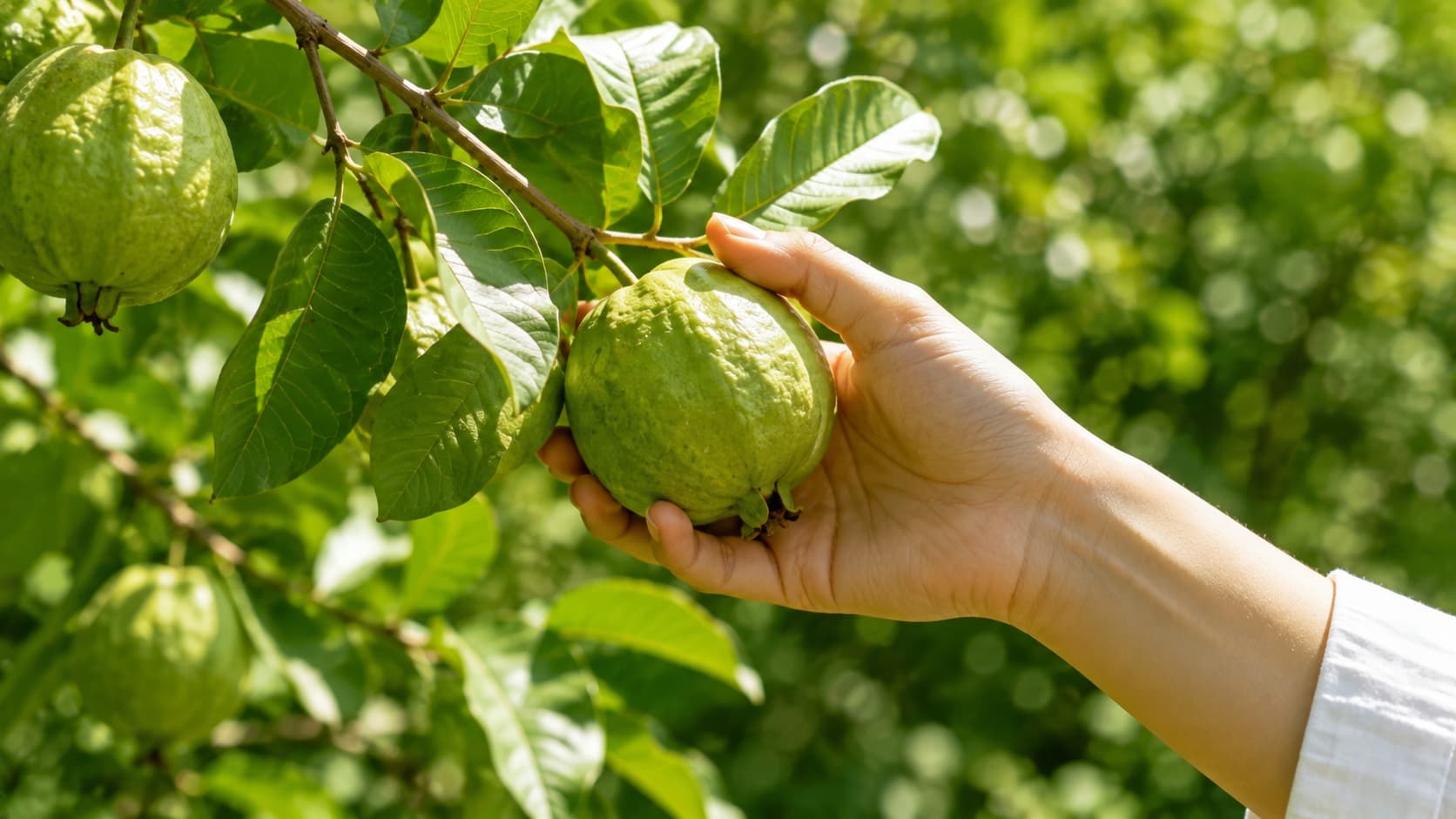
A ripe guava should generally feel slightly soft when gently pressed. If the fruit is very firm and has little aroma, it may need more time to ripen.
Guava Nutrition
Guava can be a nutritious fruit to include in a varied diet. It provides several important nutrients while being naturally low in fat.
Guava is particularly well known for its vitamin C content. It also provides dietary fiber, folate, potassium, and other vitamins and minerals.
The edible seeds contribute some fiber as well, although their texture can be noticeable.
Because nutritional values vary by variety, growing conditions, and serving size, guava is best considered as one part of a balanced diet rather than a single source of any nutrient.
Health Benefits of Guava
Supports Immune Health
Guava is rich in vitamin C, a nutrient that supports normal immune system function. Including guava alongside other fruits and vegetables can help provide a varied source of essential nutrients.
Supports Healthy Digestion
The dietary fiber in guava can support normal digestion and regular bowel movements. Eating whole fruit also provides more fiber than drinking strained guava juice.
Provides Antioxidant Compounds
Guava contains vitamin C and other naturally occurring plant compounds with antioxidant properties. These compounds help protect cells from oxidative stress as part of normal body processes.
Supports a Balanced Diet
Guava can be a convenient way to add fruit, fiber, and micronutrients to everyday meals. It can be eaten fresh or added to smoothies, salads, yogurt, and other dishes.
Popular Guava Varieties
Guava comes in many varieties, and they can differ in fruit color, flavor, size, seed content, and growing characteristics.
White Guava
White guava has pale or creamy flesh and is widely eaten fresh. Depending on the variety, the fruit can have a mild sweetness or a more pronounced tropical flavor.
Pink Guava
Pink guava has pink to salmon-colored flesh and a fragrant flavor. It is commonly used for fresh eating, juice, smoothies, and desserts.
Red Guava
Red-fleshed guavas have deeper-colored flesh and a strong aroma. They can be eaten fresh or processed into drinks, sauces, and other foods.
Seedless or Low-Seed Guava
Some cultivated varieties have fewer or softer seeds than traditional guavas. These can be convenient for fresh eating and food preparation.
When selecting a variety for your garden, consider your climate, available space, fruit preferences, and whether you want to grow the tree from seed or from a grafted plant.
How to Grow Guava
Guava trees grow best in warm conditions with plenty of sunlight. In suitable climates, they can become productive fruit trees without requiring extremely complicated care.
Choose a Sunny Location
Guava needs plenty of sunlight for healthy growth and good fruit production. Choose a location that receives several hours of direct sunlight each day.
A sunny position also helps the foliage dry more quickly after rain, which can be useful for reducing some moisture-related plant problems.
Prepare Well-Drained Soil
Guava grows well in fertile, well-drained soil. Avoid areas where water remains around the roots after heavy rain.
Before planting, improve poor soil with organic matter such as well-aged compost. Good drainage is especially important because constantly wet roots can weaken the tree.
Plant at the Right Time
In warm climates, guava can be planted when temperatures are consistently suitable for active growth.
Planting during a period with moderate rainfall can help young trees establish, but avoid planting when the soil is waterlogged.
Water Regularly
Young guava trees need consistent moisture while their root systems are developing. Water deeply when the upper layer of soil begins to dry.
Established trees are generally more tolerant of short dry periods, but adequate water is still important during flowering and fruit development.
Avoid keeping the soil constantly saturated.
Fertilize for Healthy Growth
Guava benefits from regular nutrient availability, particularly when the tree is actively growing and producing fruit.
A balanced fruit-tree fertilizer can be used according to the product label and local soil conditions. Organic compost can also help improve soil structure and provide nutrients gradually.
Avoid applying excessive fertilizer, as too much nitrogen can encourage vigorous leafy growth instead of balanced fruit production.
Prune the Tree
Pruning helps maintain a manageable tree shape and encourages new productive growth.
Remove dead, damaged, or crossing branches. Light pruning can also improve air circulation and allow sunlight to reach more parts of the canopy.
For home gardens, keeping the tree at a manageable height can make harvesting easier.
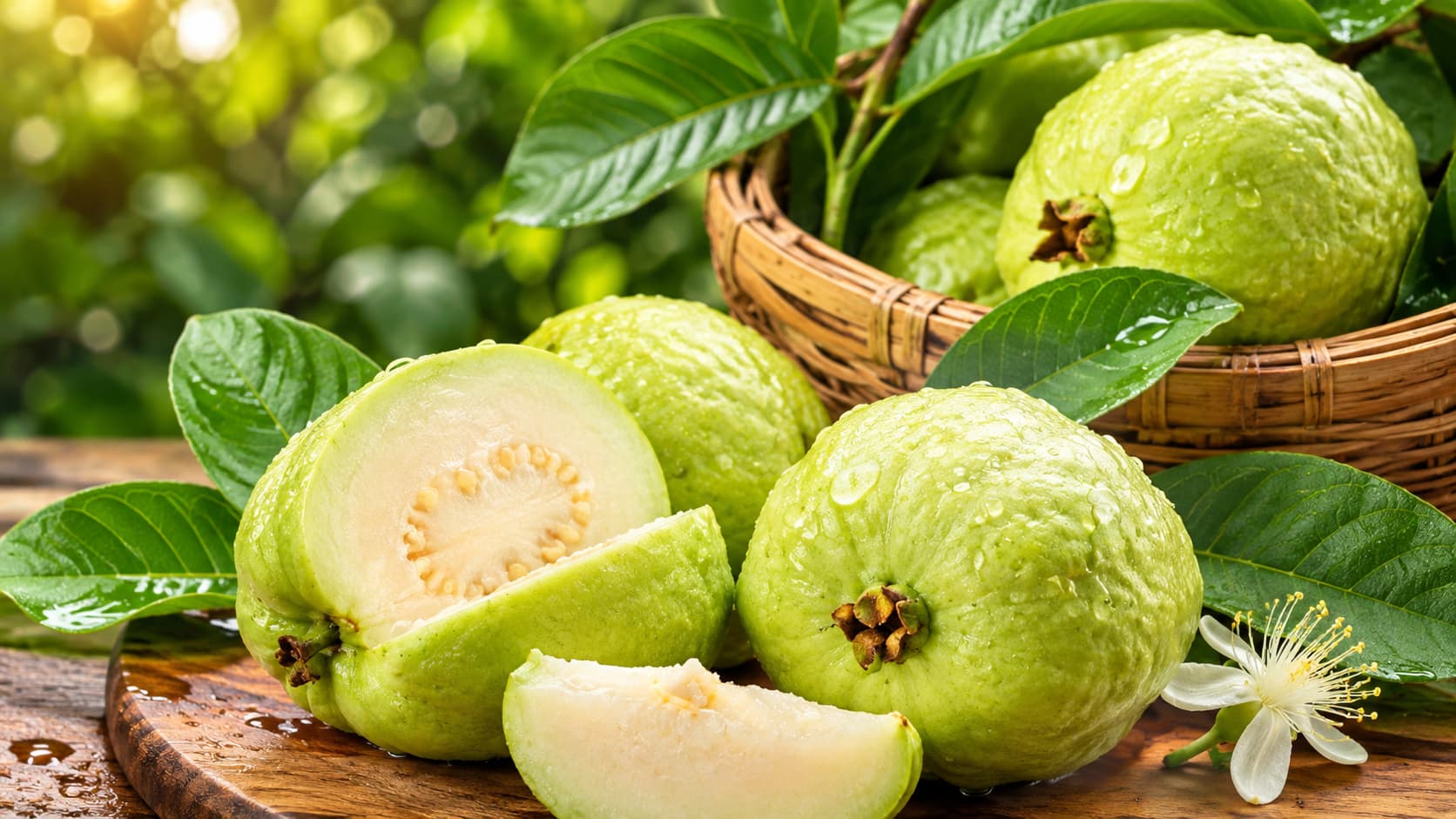
How Long Does Guava Take to Grow?
The time required for a guava tree to produce fruit depends on the variety, propagation method, climate, and growing conditions.
Trees grown from seed generally take longer to become productive than grafted or otherwise vegetatively propagated plants. A healthy grafted tree may begin producing fruit relatively early when grown under favorable conditions.
Good sunlight, suitable temperatures, adequate water, proper nutrition, and regular pruning can all contribute to productive growth.
When Is Guava Ripe?
Knowing when guava is ripe helps you enjoy better flavor and texture.
Common signs of ripeness include:
- The fruit changes from deep green toward a lighter green or yellowish color.
- The fruit develops a noticeable sweet aroma.
- The skin becomes slightly softer when gently pressed.
- The fruit may detach more easily from the tree.
Some varieties can be harvested while still firm and allowed to finish ripening at room temperature.
Avoid squeezing the fruit too hard because ripe guava can bruise easily.
How to Eat Guava
Guava is one of the easier tropical fruits to prepare. Wash the fruit thoroughly before eating.
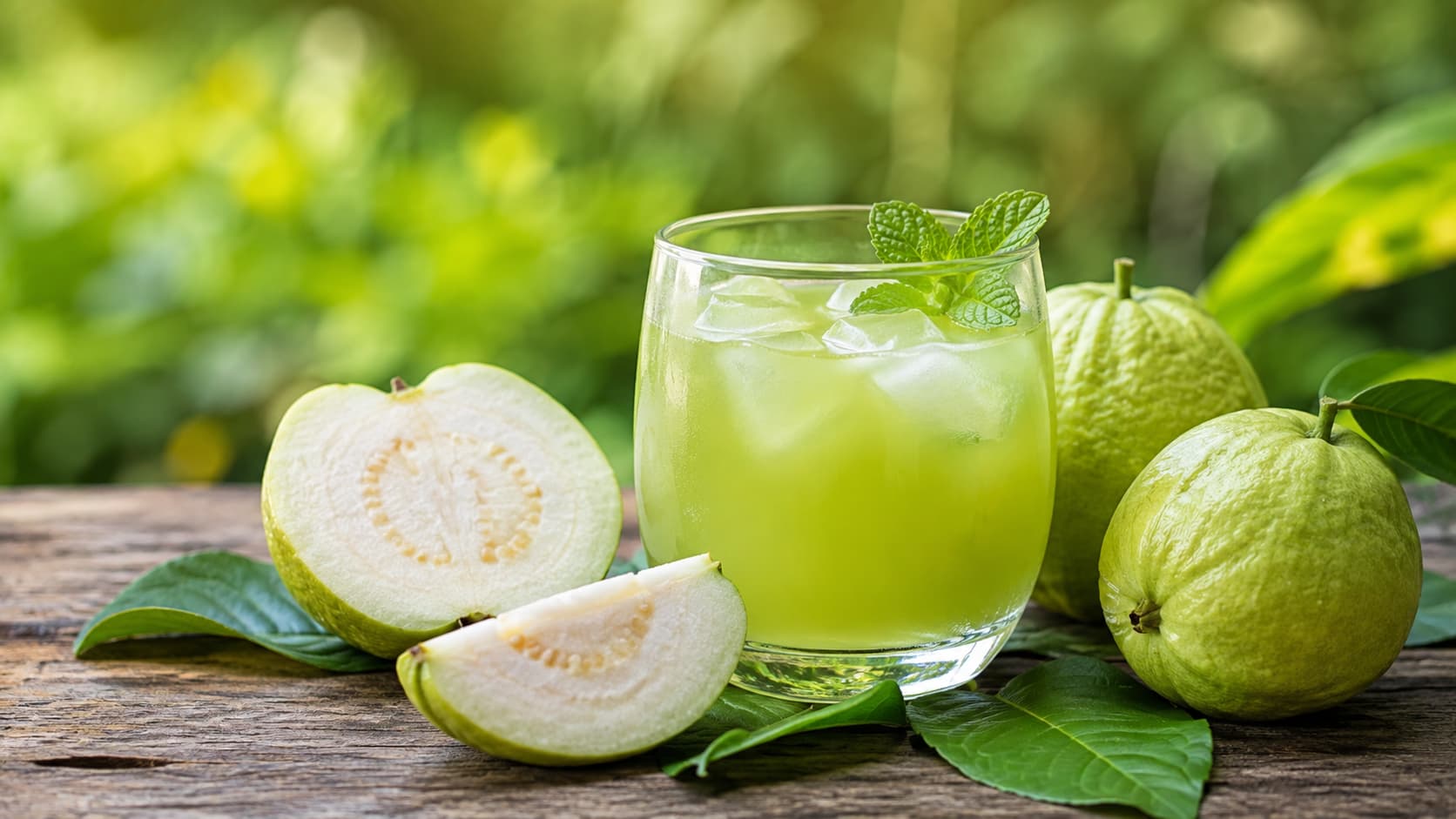
You can eat ripe guava whole, including the skin and seeds, if the texture is comfortable for you.
Other simple ways to enjoy guava include:
- Slicing it for a fresh snack
- Adding it to fruit salads
- Blending it into smoothies
- Mixing it with yogurt
- Making fresh guava juice
- Using it in jams and sauces
- Adding it to desserts
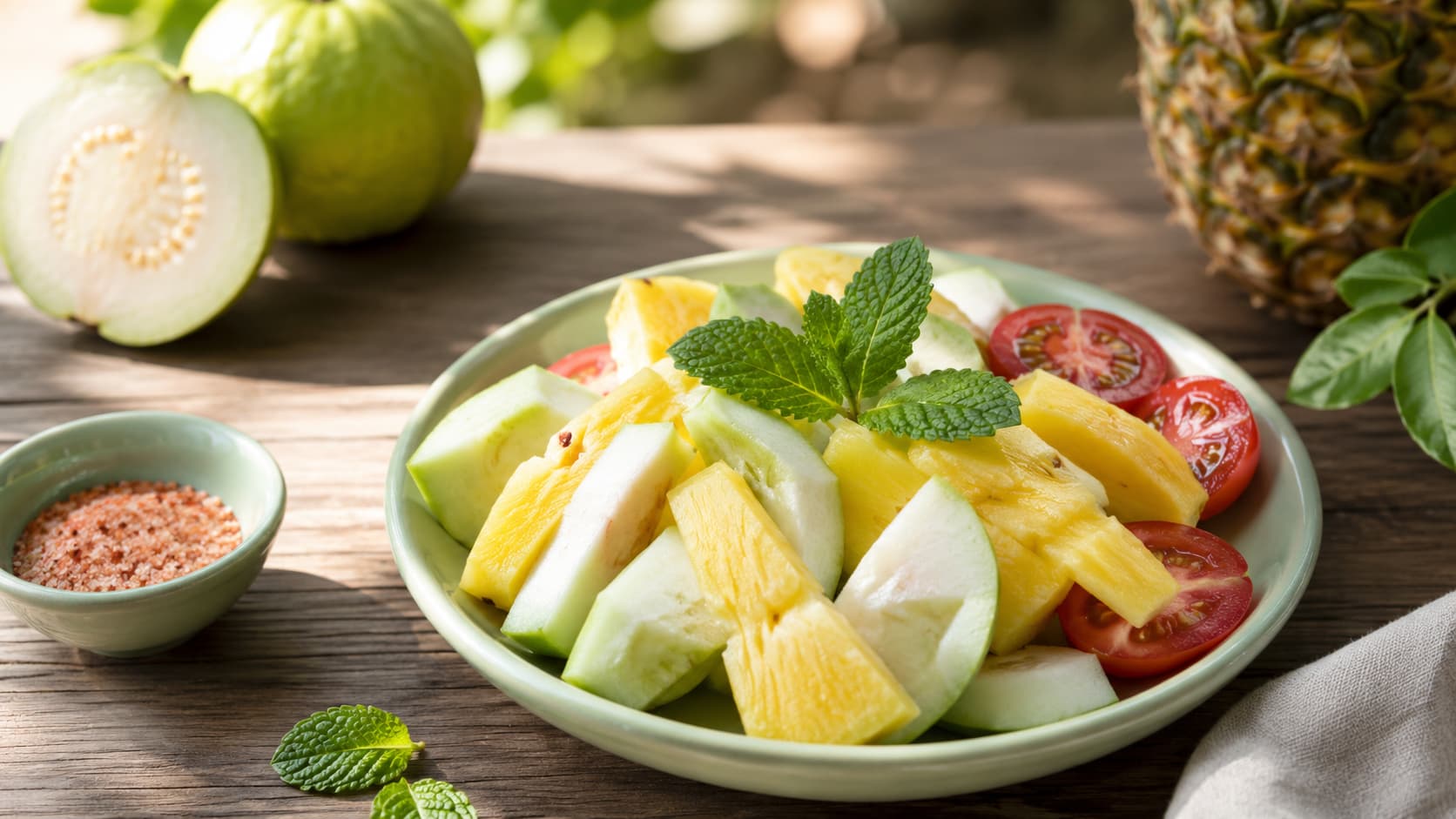
The flavor works well with other tropical fruits as well as citrus and berries.
One of the easiest ways to enjoy ripe guava is to turn it into a refreshing juice. The fruit’s naturally sweet flavor pairs especially well with lime and a little honey. For the full recipe and preparation tips, see our guide to how to make guava juice at home.
How to Store Guava
Unripe guava can usually be kept at room temperature until it begins to soften and develop a stronger aroma.
Once ripe, refrigeration can help slow further ripening. Store ripe fruit in a clean container or produce bag and use it within several days for the best quality.
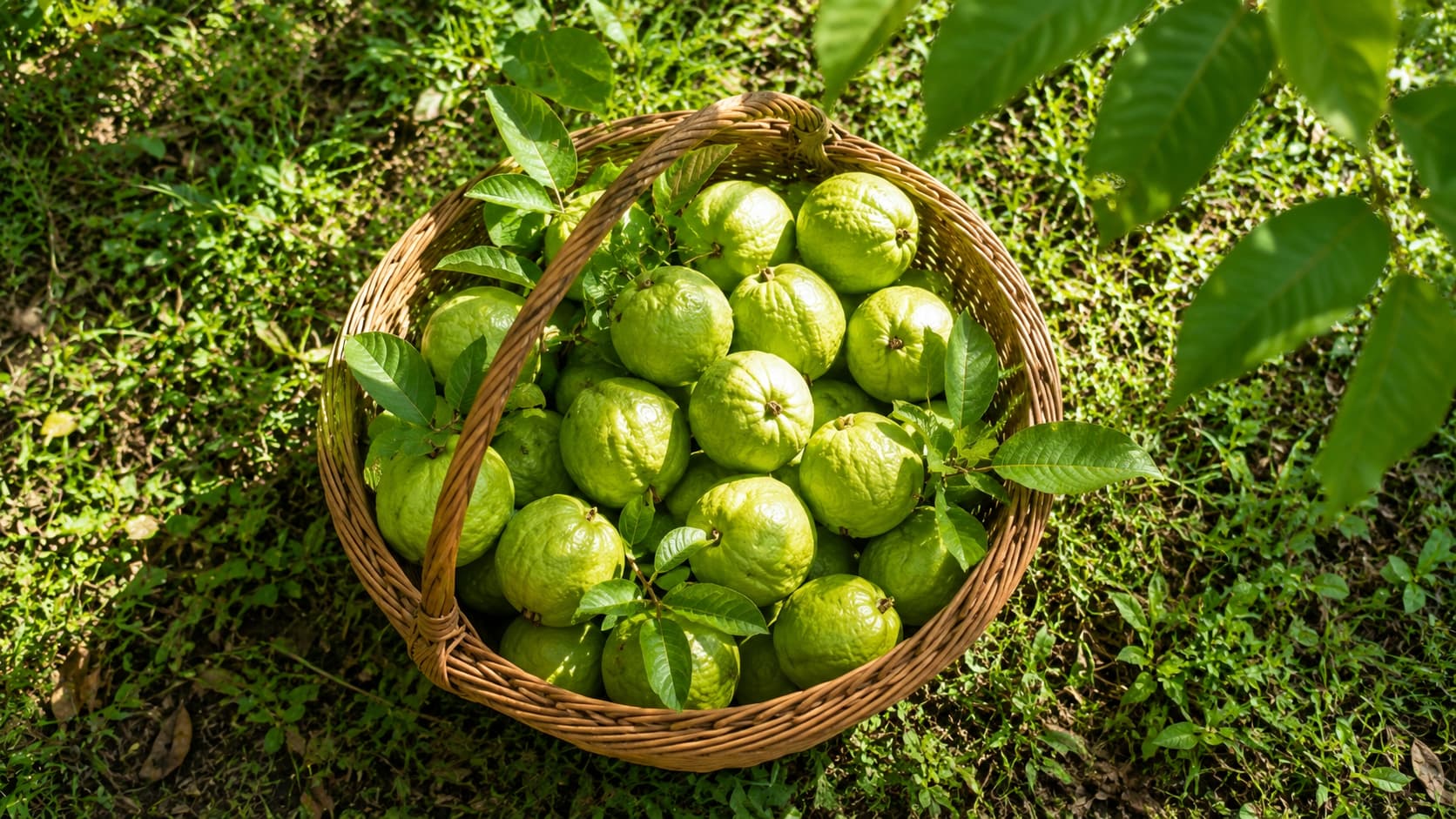
If you have a large harvest, guava can also be processed into juice, puree, jam, or other foods for longer-term use.
Common Guava Growing Problems
Although guava is generally adaptable, several problems can affect growth and fruit production.
Pests
Depending on the growing region, guava may be affected by fruit flies, scale insects, aphids, mealybugs, and other pests.
Inspect new growth, leaves, flowers, and developing fruit regularly. Early detection makes pest management much easier.
Fungal Diseases
Excessive moisture, poor air circulation, and prolonged wet foliage can increase the risk of certain fungal problems.
Provide adequate spacing, avoid unnecessary overhead watering, and remove severely affected plant material when appropriate.
Poor Fruit Production
A guava tree may produce poor fruit crops when it does not receive enough sunlight, experiences water stress, has nutrient problems, or is poorly pruned.
Start by checking the growing conditions before adding more fertilizer.
Tips for Growing Guava Successfully
For a productive backyard guava tree, focus on a few basic principles:
- Give the tree plenty of sunlight.
- Use fertile, well-drained soil.
- Water consistently during establishment and fruit development.
- Avoid excessive nitrogen fertilizer.
- Prune to maintain an open, manageable canopy.
- Monitor the tree regularly for pests and diseases.
- Harvest fruit at the appropriate stage of ripeness.
Consistent care is usually more important than complicated techniques.
Conclusion
Guava is a flavorful tropical fruit that can be enjoyed fresh or used in many different foods. It provides vitamin C, fiber, and other nutrients while offering a distinctive sweet and fragrant flavor.
For gardeners, guava can also be a rewarding fruit tree to grow. With plenty of sunlight, well-drained soil, adequate water, proper nutrition, and regular pruning, a healthy tree can provide fruit for many seasons.
Choosing a variety suited to your climate is one of the most important steps toward successful guava growing.
FAQ About Guava
Is guava easy to grow?
Yes. Guava is relatively easy to grow in warm climates when it receives enough sunlight, water, and well-drained soil.
How much sunlight does guava need?
Guava grows best in a sunny location with plenty of direct sunlight. Good light is especially important for flowering and fruit production.
Can you eat guava seeds?
Yes, the small seeds of common guava are edible. However, their texture can be somewhat hard or crunchy, depending on the variety.
Should guava be refrigerated?
Ripe guava can be refrigerated to slow further ripening. Firm, unripe fruit can generally be left at room temperature until it reaches the desired ripeness.
How long does a guava tree take to produce fruit?
The timing varies by variety and growing method. Trees grown from seed often take longer, while grafted trees can begin producing fruit sooner under favorable conditions.
Can guava grow in a pot?
Yes. Smaller guava varieties can be grown in large containers with good drainage. Container-grown trees need adequate sunlight, water, nutrients, and occasional pruning to control their size.
What is the best soil for guava?
Guava prefers fertile, well-drained soil. Soil that holds excessive water around the roots should be avoided.