Growing guava at home can be surprisingly simple when the tree gets enough warmth, sunlight, water, and room for its roots to develop. Guava trees are tropical and subtropical plants that can produce fragrant flowers and sweet, flavorful fruit when grown under the right conditions.
Whether you are planting a young tree in the ground or growing one in a container, a few basic care practices can help your plant establish strong roots and healthy growth.
Choosing the Right Location
Choosing the right location is one of the most important steps when growing a guava tree at home.
The planting area should also have good drainage. Guava roots do not perform well when they remain in constantly soggy soil.
When choosing a location, consider the mature size of the tree. Give it enough space from buildings, fences, and other large plants so the branches can spread naturally.
Preparing the Soil
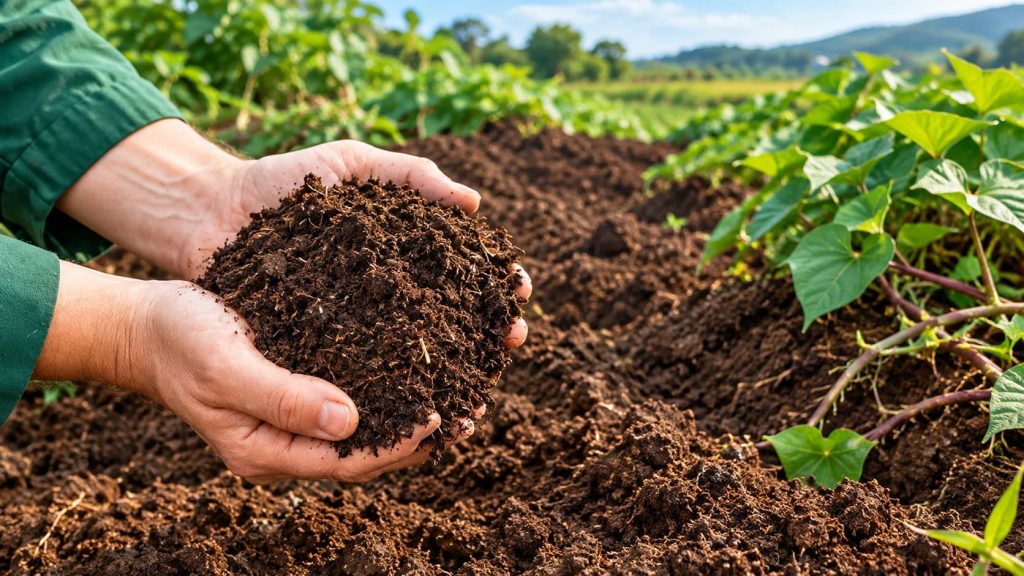
Guava can tolerate several soil types, but loose, well-draining soil is ideal. A soil mixture containing organic matter can help provide nutrients while improving moisture retention and drainage.
Before planting, loosen the soil around the planting area. If the soil is heavy clay, adding suitable organic matter can improve its structure.
A slightly acidic to neutral soil is generally suitable for guava. A soil test can help you understand whether your garden soil needs amendments before planting.
Planting a Guava Tree
The best time to plant a young guava tree is during warm weather when the risk of cold temperatures has passed.
Dig a hole that is about twice as wide as the tree’s root ball and roughly as deep. Place the tree in the hole so the top of the root ball remains close to the surrounding soil level.
Backfill around the roots with the original soil and gently firm it down. Water thoroughly after planting to help settle the soil around the roots.
Avoid planting the tree too deeply. Covering the trunk base with excessive soil can create problems with moisture and root health.
Adding a layer of organic mulch around the tree can help conserve soil moisture. Keep the mulch a few inches away from the trunk.
Watering Guava Trees
Newly planted guava trees need regular watering while they establish their root systems. Water deeply enough to moisten the root zone, then allow the upper layer of soil to begin drying before watering again.
Established trees are generally more tolerant of short dry periods, but consistent moisture is especially useful during flowering and fruit development.
Avoid keeping the soil continuously wet. Poor drainage combined with excessive watering can stress the roots.
Container-grown guava trees may need watering more frequently because pots dry out faster than garden soil.
Feeding and Fertilizing
Guava trees benefit from regular access to nutrients during active growth. A balanced fruit-tree fertilizer can be used according to the product’s label instructions.
Young trees generally benefit from smaller, regular applications rather than large amounts of fertilizer at once. Mature fruiting trees may require additional nutrients depending on soil conditions and crop production.
Yellow leaves, weak growth, or poor fruit development can sometimes indicate a nutrient problem, but these symptoms can also result from watering, soil, pests, or environmental stress. Avoid adding fertilizer without considering the overall growing conditions.
Pruning for Healthy Growth
Pruning helps maintain the shape of a guava tree and can make harvesting easier. Remove dead, damaged, or crossing branches first.
Young trees can be lightly pruned to encourage a strong branching structure. As the tree matures, thin overcrowded growth so sunlight and air can reach the interior of the canopy.
Avoid removing large amounts of healthy growth at one time. Moderate pruning is usually easier for the tree to recover from and can help maintain steady growth.
Protecting Guava From Cold
Guava prefers warm conditions and can be damaged by freezing temperatures. If you live in a region with cold winters, plant the tree in the warmest protected part of your garden.
A south-facing or sheltered location can help reduce exposure to cold winds.
Container-grown guava trees have an advantage because they can be moved to a protected location during periods of cold weather.
Growing Guava in a Container
Guava can also be grown in a large container, making it a useful option for gardeners with limited space.
Choose a container with drainage holes and enough room for the root system. As the tree grows, it may eventually need a larger pot.
Container-grown plants require closer attention to watering and nutrients than trees planted directly in the ground. However, keeping the tree at a manageable size through pruning can make container growing much easier.
Place the container where the tree receives plenty of sunlight and good air circulation.
Flowers, Fruit, and Harvesting
A healthy guava tree may produce fragrant flowers before developing fruit. Pollination can occur with the help of insects, although fruit production varies depending on the variety, climate, and growing conditions.
Guava fruit is usually harvested when it begins to develop its characteristic color and aroma. Depending on the variety, ripe fruit may feel slightly soft when gently pressed.
If you harvest guavas while they are still firm, they can continue ripening after picking. Handle the fruit carefully because ripe guavas can bruise easily.
Common Growing Problems
Several problems can affect guava trees. Yellow leaves may be associated with excessive watering, poor drainage, nutrient issues, or other forms of stress.
Pests can also damage leaves, flowers, and developing fruit. Regularly inspect the plant for unusual spots, holes, sticky residue, insects, or distorted new growth.
Good garden hygiene, adequate spacing, proper watering, and regular observation can help prevent many problems from becoming severe.
Final Tips for Growing Guava
The key to successful guava growing is providing conditions that match its tropical nature. Give the tree plenty of sunlight, well-drained soil, adequate moisture, and protection from severe cold.
Young trees need more attention while they establish themselves, but established guava trees can become relatively easy to maintain.
With patience and consistent care, a healthy tree can eventually provide attractive foliage, fragrant flowers, and homegrown guavas for fresh eating and cooking.
For more information about the fruit itself, varieties, nutrition, ripening, and different ways to enjoy it, see our complete guide to guava.