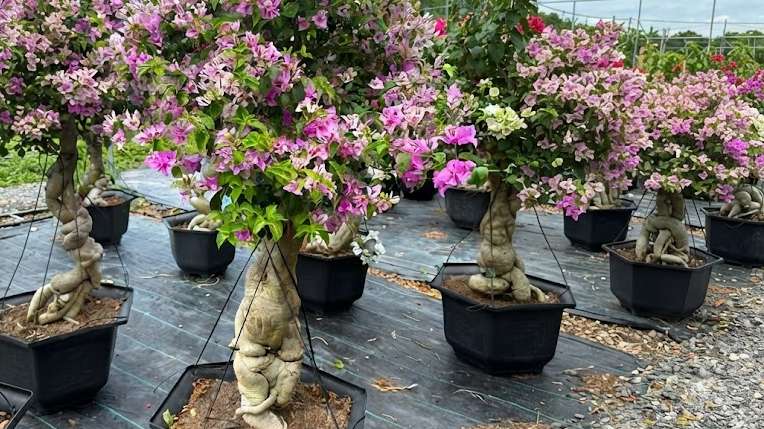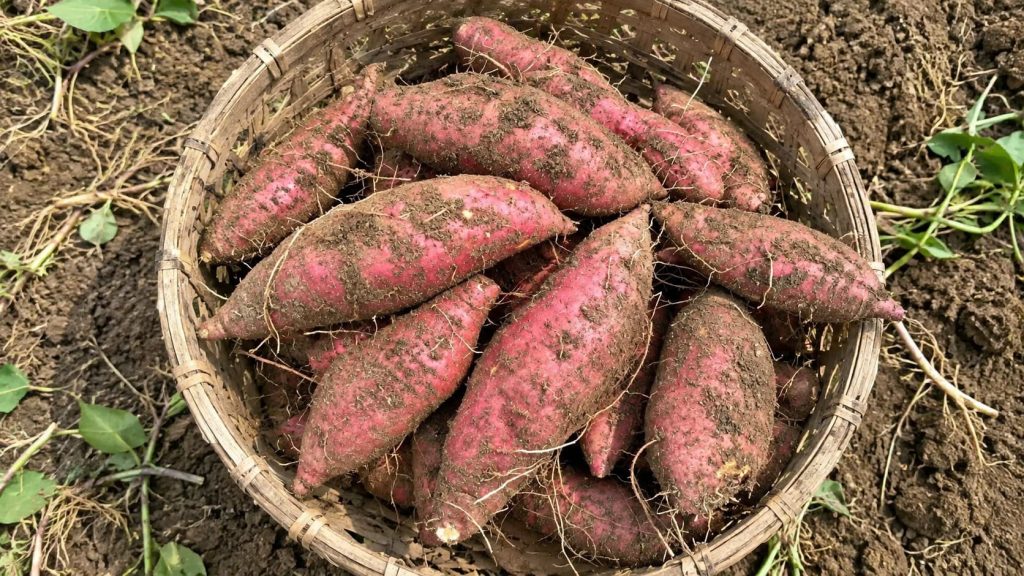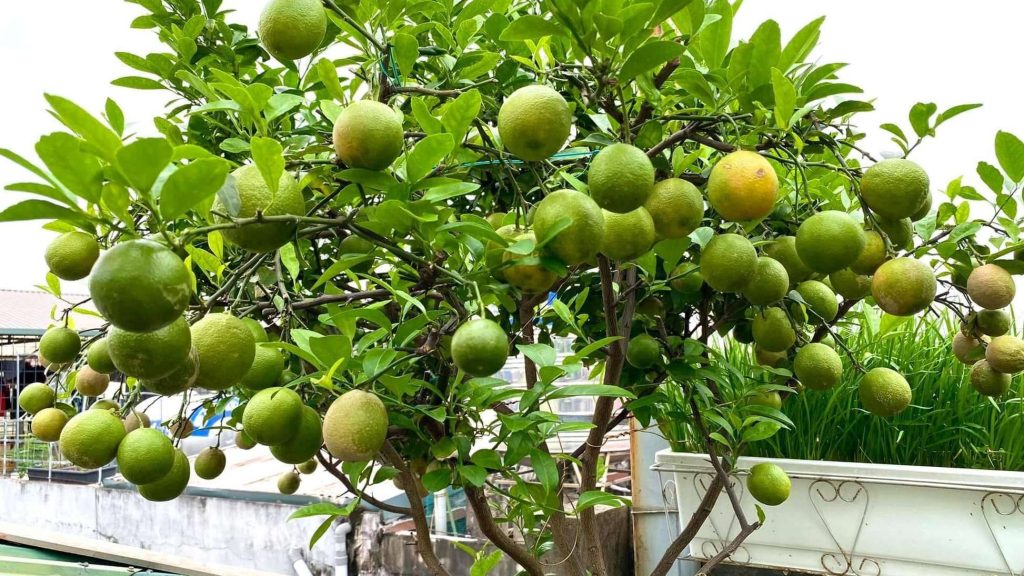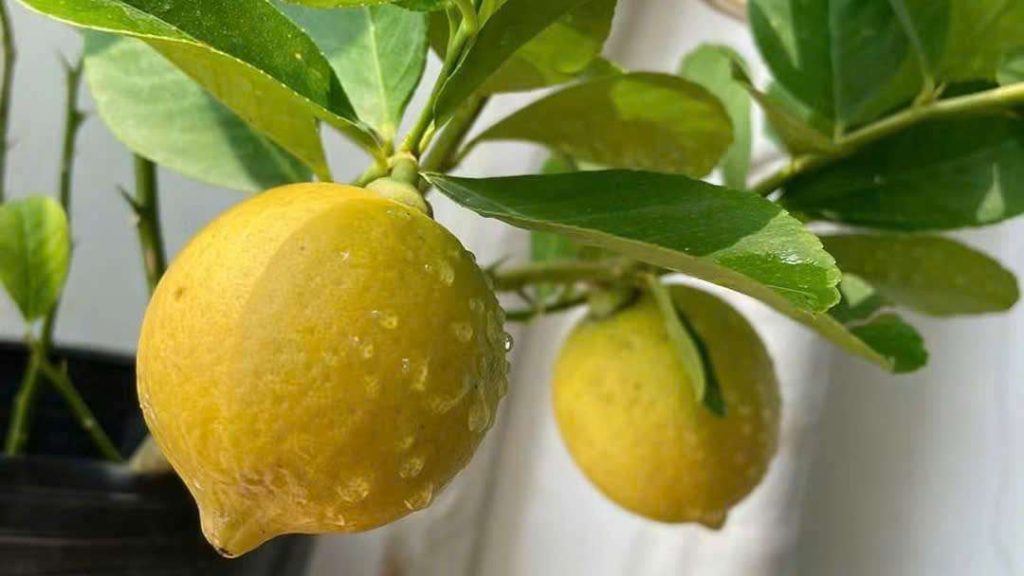
Learning how to grow a garden is about more than simply putting plants in the ground and watering them. A thriving garden begins with a clear idea of what you want to create, followed by thoughtful planning and ongoing care.
Whether you dream of a productive vegetable garden, a colorful flower bed, a kitchen herb garden, or a mixture of different plants, the way you organize your space can make a big difference. The goal is to create an environment where plants have enough room to grow while making the garden easy for you to maintain.
You do not need a large backyard or advanced gardening skills to get started. With the right approach, even a small growing space can become a healthy and productive garden.
1. Start With a Clear Garden Vision
Before choosing plants or preparing the soil, think about the kind of garden you want to create. Having a clear vision will help you make better decisions about space, plant selection, and maintenance.
A vegetable garden can provide fresh produce for your kitchen, while an herb garden can give you convenient access to ingredients such as basil, parsley, chives, rosemary, and mint. If your main goal is to create an attractive outdoor space, you may prefer a flower garden filled with annuals, perennials, or flowering shrubs.
You can also combine several types of plants. A mixed garden might include vegetables, herbs, flowers, and ornamental plants in separate sections.
Think about how much time you realistically have for gardening. A large garden may require regular watering, weeding, pruning, harvesting, and pest monitoring. If you have limited time, starting with a smaller space may be a better choice.
Your garden should fit your lifestyle rather than becoming a source of unnecessary work.
2. Make the Most of the Space You Have
You do not need a large yard to grow a garden. The key is to understand how much space you have and choose a growing method that works with it.
A backyard may provide enough room for traditional in-ground beds or raised beds. Smaller yards can benefit from compact planting areas, while patios and balconies can be used for containers and vertical growing systems.
Look at your available space and consider how sunlight moves across it during the day. Pay attention to areas that receive direct sun as well as locations that remain shaded.
Also consider convenience. A garden that is close to your home may be easier to water and monitor than one located at the far end of your property.
If you have limited space, grow upward when possible. Trellises can support climbing plants and help make better use of vertical areas.
The best garden is not necessarily the biggest one. It is the one that makes efficient use of the space available.
3. Create a Practical Garden Layout
Once you understand your space, create a simple layout before planting. Good garden design can make everyday maintenance much easier.
Start by deciding where the main planting areas will be located. Leave enough room between beds or containers to walk comfortably and access your plants.
Consider the mature size of every plant rather than its size when you first buy it. A small seedling can eventually become a large plant that needs considerable room.
Think carefully about plant height. Tall crops and climbing plants should be positioned so they do not unnecessarily shade shorter plants.
You can also group plants according to their purpose. Keep vegetables together in one area, herbs in another, and flowers in a separate section if that works best for you.
A well-organized garden should allow you to reach plants easily for watering, harvesting, pruning, and inspection.
You do not need to create a complicated landscape plan. A simple sketch showing planting areas, pathways, containers, and taller plants is often enough to get started.
4. Build the Right Growing Environment
Once your garden layout is ready, focus on creating a suitable environment for healthy root growth.
If you are planting directly in the ground, remove weeds and large debris before loosening compacted soil. For raised beds, choose a suitable growing medium and make sure the bed has adequate drainage.
Containers require special attention because they have limited space for roots. Use a quality potting mix designed for containers rather than relying entirely on heavy garden soil.
Drainage is important regardless of the growing method. Excess water that remains around plant roots for too long can create unhealthy growing conditions.
Organic matter can also play an important role in improving soil quality. Finished compost can help support soil structure and improve moisture management.
The goal is to create a growing environment that provides roots with enough air, moisture, and space to develop.
5. Choose Plants That Work Well Together
A successful garden depends partly on selecting plants that fit the conditions you can provide. Instead of choosing plants simply because they look attractive, consider their growing requirements.
Plants that need full sun should be placed in bright locations, while shade-tolerant varieties may be better suited to areas with less direct sunlight.
It can also be helpful to group plants with similar watering needs. This makes irrigation easier because you can care for plants according to their requirements rather than treating every plant the same.
Consider plant size and growth habits as well. Spreading plants need more horizontal space, while climbing varieties may require trellises or other support.
You can also think about when different plants grow and produce. Combining plants with different growing periods can help keep your garden interesting and productive throughout the season.
The more closely your plant choices match your growing conditions, the easier your garden will generally be to maintain.
6. Help New Plants Establish Successfully
The period immediately after planting is important because young plants are adapting to their new environment.
When transplanting seedlings, handle the roots carefully and give the plants enough water to help settle the soil around them. Avoid disturbing newly planted areas unnecessarily.
New plants may need closer attention than established plants. Check soil moisture regularly and watch for signs of stress such as wilting or damaged leaves.
Weather can also affect how quickly plants become established. Hot, dry conditions may increase water requirements, while heavy rain can create overly wet soil.
Mulching around plants can help maintain more consistent soil moisture and reduce competition from weeds. Organic materials such as straw, shredded leaves, or compost can be useful options.
The goal during this stage is to help plants develop strong roots so they can become more independent as they mature.
7. Keep Your Garden Growing and Productive
A garden can become less productive if plants are simply left to grow without regular attention. Consistent maintenance helps keep the space healthy and attractive.
Harvest vegetables and herbs at the appropriate stage rather than allowing mature crops to remain on the plant indefinitely. Regular harvesting can encourage continued production in some crops.
Deadheading flowers can help maintain a tidy appearance, while appropriate pruning can encourage healthier growth in certain plants.
Succession planting is another useful technique. Instead of planting an entire crop at once, you can plant smaller amounts at different times when conditions allow. This can help extend harvest periods for certain vegetables and herbs.
Replace plants that have finished their growing cycle when appropriate. You can use the newly available space for another crop or seasonal flowers.
Regularly inspect your garden for weeds, pests, and signs of plant stress. Catching problems early is generally easier than dealing with widespread damage later.
A productive garden is not created through one large effort. It is maintained through small, consistent actions throughout the growing season.
8. Improve and Expand Your Garden Each Season
One of the best ways to become a better gardener is to pay attention to what happens in your own growing space.
Keep simple notes about which plants performed well, which areas received the most sunlight, and which crops required the most maintenance. Record planting dates and harvest periods when useful.
At the end of the growing season, take some time to evaluate your garden. Did you use your space efficiently? Were certain plants too crowded? Did some areas receive too much or too little sunlight?
Use these observations to make small improvements the following season.
You might move plants to better locations, adjust the size of your garden beds, add new containers, or introduce a trellis for climbing crops.
As your confidence grows, you can experiment with new varieties and gardening techniques. You may eventually want to try seed starting, succession planting, vertical gardening, or expanding into a larger growing area.
The best gardens evolve over time. You do not have to get everything right in your first season.
Final Thoughts on How to Get Grass to Grow Faster
Learning how to get grass to grow faster is really about creating the right environment for healthy growth. If you’re new to lawn care, learning the basics can help you start gardening with confidence and make better decisions for your yard.
Start by choosing a grass variety that suits your climate. Then focus on the basics: healthy soil, proper watering, adequate sunlight, balanced nutrition, and regular mowing.
If your lawn is thin or uneven, consider overseeding after identifying the cause of the problem. If the soil is compacted, aeration may help. If weeds are competing with your grass, address the weed problem while improving the overall health of your lawn.
Most importantly, remember that a healthy lawn takes time.
There is no single trick that will make every type of grass grow quickly overnight. Consistent care and suitable growing conditions are much more effective in the long run.
By paying attention to your lawn, testing your soil, adjusting your watering habits, and choosing appropriate lawn care practices, you can create better conditions for grass to grow thicker, healthier, and greener.