Starting a garden can feel overwhelming when you are not sure where to begin. You may wonder which plants to choose, how often to water them, or how to keep weeds and pests under control. The good news is that gardening does not have to be complicated. These basic gardening tips can help you avoid common mistakes and build a strong foundation for a healthy, enjoyable garden.
With a little planning and patience, beginners can create a healthy garden and learn valuable skills along the way. Whether you are growing vegetables, herbs, flowers, or a mixture of plants, these simple gardening tips for beginners can help you get started with confidence.
1. Start With a Small Garden
One of the best gardening tips for beginners is to start small. A large garden requires more time, water, maintenance, and planning.
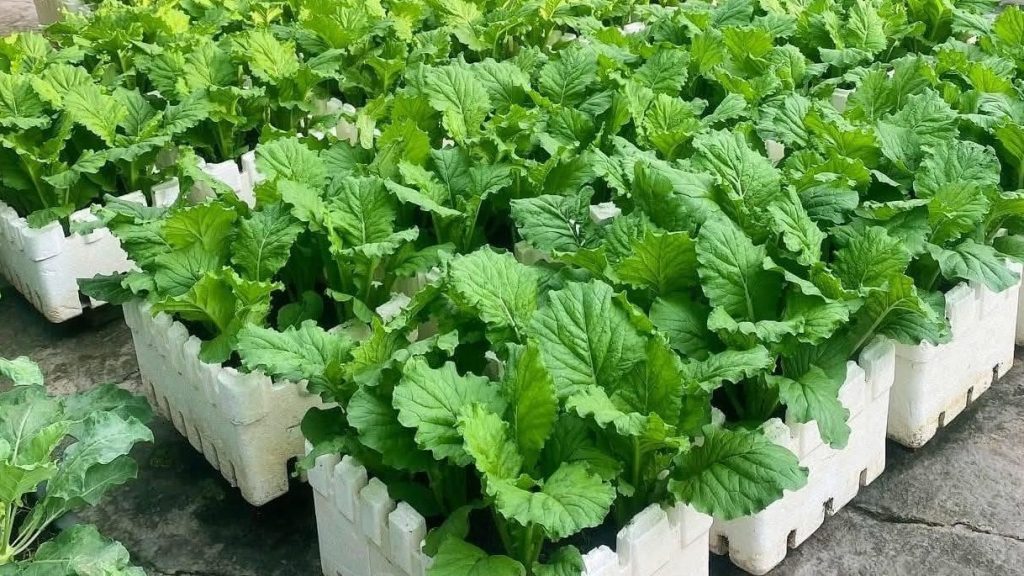
Consider starting with a small garden bed or a few containers. This allows you to learn how plants grow without becoming overwhelmed by daily maintenance. As you gain experience, you can gradually expand your growing space.
2. Choose the Right Location
The location of your garden can have a major impact on plant growth. Before planting, observe your yard throughout the day and identify areas that receive plenty of sunlight.
Many vegetables and flowering plants need around six or more hours of sunlight each day, while some plants prefer partial shade. Choose a location based on the needs of the plants you want to grow.
3. Understand Your Soil
Healthy soil provides plants with water, nutrients, and support for their roots. Before planting, learn about the type of soil in your garden.
If your soil is compacted or poor in organic matter, adding compost can improve its structure and support healthier plant growth. Avoid planting immediately in soil that is extremely hard or poorly drained.
4. Choose Plants That Suit Your Climate
Not every plant grows well in every location. Choose varieties that are suitable for your local climate and growing conditions.
Pay attention to factors such as temperature, rainfall, sunlight, and growing season. Selecting plants that naturally perform well in your area can make gardening much easier for beginners.
5. Read Seed Packets and Plant Labels
Seed packets and plant labels contain useful information about planting depth, spacing, sunlight, watering, and expected growth.
Take a few minutes to read these instructions before planting. Following the recommended guidelines can help you avoid common mistakes and give your plants a better start.
6. Give Plants Enough Space
It can be tempting to plant everything close together, especially when you have limited space. However, overcrowded plants may compete for sunlight, water, and nutrients.
Follow the recommended spacing for each plant. Proper spacing also improves air circulation, which can help reduce certain plant disease problems.
7. Water Deeply and Consistently
New gardeners sometimes water too frequently or too little. Instead of following a strict schedule, check the soil and consider the needs of each plant.
Water slowly and deeply when plants need moisture, allowing water to reach the root zone. Morning is often a good time to water because plants have time to absorb moisture before the heat of the day.
Avoid constantly keeping the soil saturated, as overly wet conditions can cause root problems.
8. Learn How to Identify Weeds
Weeds compete with garden plants for water, nutrients, sunlight, and space. Remove weeds while they are still small and easier to control.
Hand-pulling works well in small gardens, especially after the soil has been softened by rain or watering. Adding a layer of organic mulch can also help reduce weed growth and conserve soil moisture.
9. Use Mulch Around Plants
Mulch can be a valuable addition to a garden. Organic materials such as shredded leaves, straw, or compost can help retain soil moisture and reduce weed growth.
Apply mulch around plants without piling it directly against stems or trunks. A suitable layer can also help moderate soil temperature as weather conditions change.
10. Feed Plants When Necessary
Plants need nutrients to grow, but more fertilizer is not always better. Excessive fertilizer can damage plants or encourage too much leafy growth at the expense of flowers and fruit.
Before adding fertilizer, learn about the needs of your specific plants and consider testing your soil if necessary. Compost and other organic matter can also improve soil quality over time.
11. Check Plants Regularly
Spend a few minutes looking at your plants every few days. Regular observation makes it easier to notice problems before they become serious.
Look for yellowing leaves, wilting, unusual spots, damaged foliage, or signs of insects. Early detection can make pest and disease management much easier.
12. Learn Basic Pruning
Pruning involves removing unwanted, damaged, or dead plant growth. Some plants benefit from regular pruning, while others require very little.
Before cutting, learn the pruning requirements of the specific plant. Use clean, sharp pruning tools and avoid removing too much growth at one time.
13. Keep Gardening Tools Clean
Clean gardening tools can last longer and work more effectively. Remove soil from tools after use and store them in a dry location.
Cleaning pruning shears and other cutting tools between plants can also help reduce the risk of spreading certain plant diseases.
14. Keep a Simple Gardening Journal
A gardening journal can help you remember what worked and what did not. Record planting dates, plant varieties, watering routines, weather conditions, and harvest results.
Over time, these notes can help you understand your garden better. You may discover which plants perform best, when to plant them, and which areas of your garden receive the most sunlight.
15. Be Patient and Learn From Mistakes
Gardening is a learning process. Some plants may not grow as expected, seeds may fail to germinate, or pests may appear unexpectedly.
Do not let small failures discourage you. Every growing season provides an opportunity to learn something new. Pay attention to what happened and use that knowledge to improve your next planting.
Final Thoughts on Gardening Tips for Beginners
Successful gardening does not require years of experience. Start with a manageable space, choose plants that suit your climate, prepare healthy soil, and learn how to provide the right amount of sunlight and water.
The most important thing is to observe your plants and make adjustments as you learn. If you are new to gardening, our beginner’s gardening guide can help you understand the basics and build your confidence step by step.
With patience, consistency, and a willingness to learn, even a small garden can become a rewarding part of your home.