Gardening for Beginners is a great way to connect with nature, grow your own food, and create a beautiful outdoor space. You don’t need a large backyard or years of experience to get started. A few containers on a balcony, a small raised bed, or a sunny corner of your yard can be enough to grow your first plants.
Getting started can sometimes feel overwhelming. What should you plant? How much sunlight do your plants need? How often should you water them? What type of soil is best? And how can you keep your plants healthy and protect them from pests?
The good news is that gardening doesn’t have to be complicated. Once you understand a few basic principles, you’ll be able to grow vegetables, herbs, flowers, and even fruit with greater confidence.
In this Gardening for Beginners guide, you’ll learn the essentials of starting and caring for a garden, from choosing the right location and preparing the soil to watering, fertilizing, controlling weeds, and dealing with common plant problems
What Is Gardening for Beginners?
Gardening for beginners is about learning the basic skills needed to grow and care for plants successfully.
Gardening can include growing vegetables, herbs, flowers, fruits, ornamental plants, or a combination of several types. While every plant has different needs, most plants require the same basic essentials: sunlight, water, healthy soil, nutrients, and enough room to grow.
If you’re new to gardening, it’s best to start small. Choose a few easy-to-grow plants and learn how to care for them before expanding your garden.
Don’t worry if some plants don’t survive or don’t grow as expected. Gardening is a learning process. Every growing season gives you an opportunity to gain experience and improve your skills.
Decide Why You Want to Garden
Before planting anything, think about what you want to get from your garden. Your goal will help determine what plants you should grow and how you should design your space.
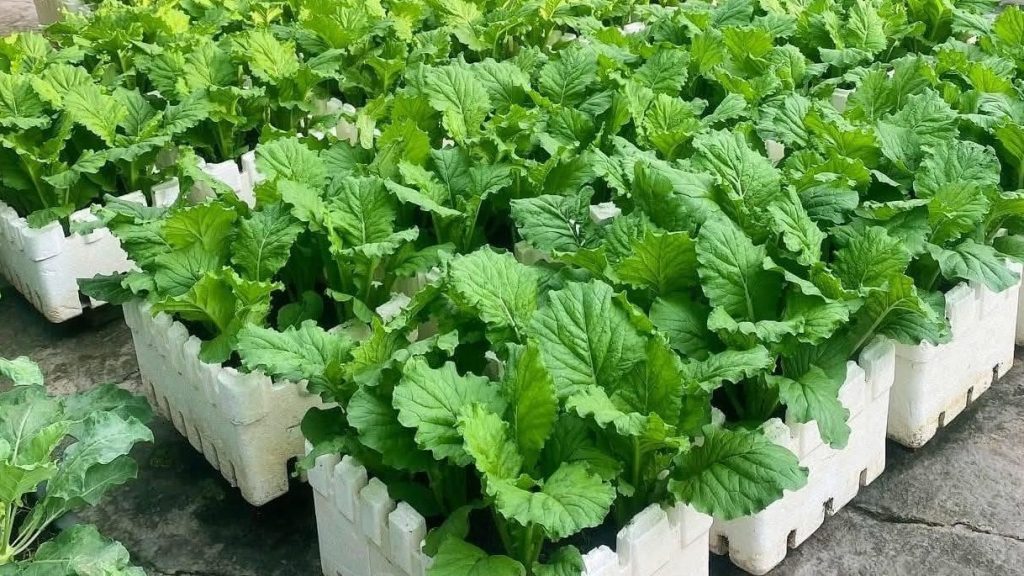
If you want to grow your own food, consider starting with easy vegetables such as lettuce, radishes, green beans, leafy greens, or tomatoes.
If you love flowers, you might choose sunflowers, marigolds, zinnias, or other flowers that grow well in your climate.
If you want a low-maintenance garden, look for plants that are naturally drought-tolerant and well suited to your local growing conditions.
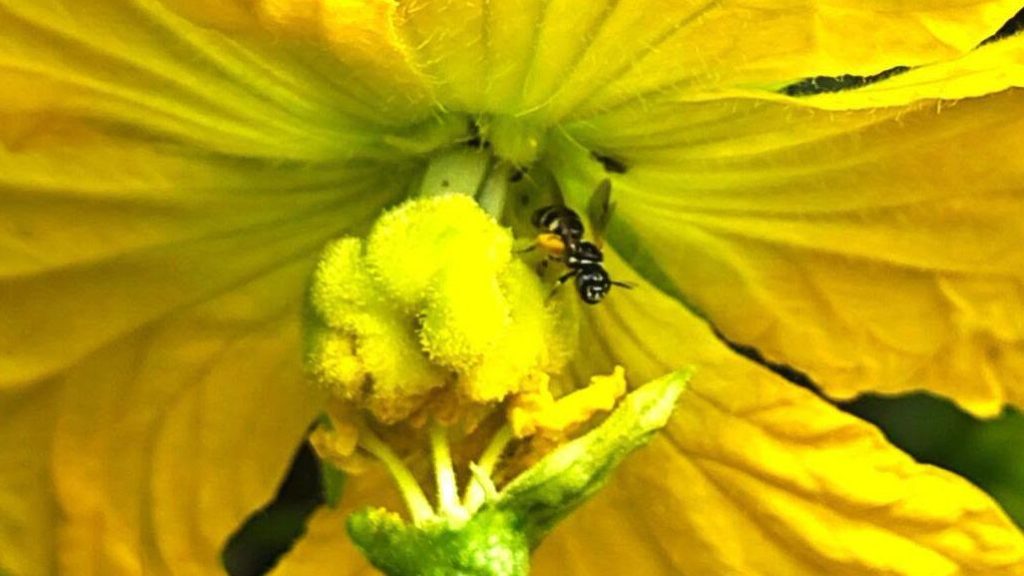
You can also combine vegetables, herbs, and flowers in the same garden. Flowering plants can add beauty while also attracting pollinators such as bees and butterflies.
The best garden is one that fits your interests, available space, and lifestyle.
Choose the Right Location
Choosing the right location is one of the most important decisions you will make as a beginner gardener.
Before planting, observe your yard or growing space throughout the day. Pay attention to how many hours of direct sunlight the area receives.
Many vegetables and fruiting plants grow best with about 6 to 8 hours of direct sunlight per day. However, some plants can tolerate partial shade and may be better suited to areas that receive less sunlight.
If you’re growing plants in containers, choose a location that receives the appropriate amount of sunlight and is easy to access for watering and maintenance.
Balconies, patios, porches, and small backyards can all become productive growing spaces with the right planning.
You should also consider drainage. Areas where water regularly pools after rain may cause root problems and increase the risk of root rot.
Choose Easy Plants for Beginners
When you’re new to gardening, start with plants that are relatively easy to grow and maintain.
Some beginner-friendly vegetables include lettuce, radishes, green beans, leafy greens, and tomatoes.
For herbs, you can try basil, mint, chives, parsley, cilantro, or rosemary, depending on your climate and growing conditions.
For flowers, sunflowers, marigolds, and zinnias are popular choices for beginner gardeners.
Choose plants that are suitable for your local climate and growing season. A plant that thrives in a warm climate may struggle in a cooler region.
It’s also helpful to check the plant’s mature size before planting. Some plants may start small but eventually require much more space.
Prepare Healthy Soil
Healthy soil is the foundation of a successful garden.
Good garden soil should hold enough moisture for plants while still allowing excess water to drain away. It should also contain organic matter and nutrients that support healthy root growth.
If your soil is compacted, sandy, or low in organic matter, you can improve it by adding compost or other suitable organic materials.
Compost can help improve soil structure, increase organic matter, and support a healthier growing environment for plant roots.
For container gardening, use a quality potting mix designed for containers rather than heavy garden soil. Container plants need a growing medium that provides good drainage and enough air around the roots.
Before planting, remove large rocks, weeds, and old roots from the growing area.
If you’re unsure about your soil, consider having it tested. A soil test can provide useful information about soil pH and nutrient levels.
Should You Start With Seeds or Seedlings?
Beginners can start a garden either from seeds or young plants, often called seedlings or transplants.
Growing from seeds is usually less expensive and gives you access to a wider selection of plant varieties. However, seedlings require careful attention during their early stages of growth.
Buying healthy transplants can save time and may be easier for beginners. Look for plants with strong stems, healthy leaves, and no obvious signs of pests or disease.
If you start from seeds, carefully follow the instructions on the seed packet. Pay attention to planting depth, spacing, germination time, and recommended planting dates.
Avoid planting seeds too deeply because young seedlings may have difficulty reaching the surface.
After planting, keep the soil consistently moist but avoid keeping it soggy.
Learn How to Water Properly
Watering is one of the most important skills for any beginner gardener.
Many new gardeners assume that more water means faster or healthier growth. In reality, overwatering is one of the most common causes of plant problems.
Instead of following a strict watering schedule, check the soil and observe your plants.
Stick your finger into the top inch or two of soil. If the soil feels dry, the plant may need water. If it still feels moist, you may be able to wait.
How often you need to water depends on the plant, soil, weather, temperature, and container size.
Plants may need more frequent watering during hot, dry weather.
Whenever possible, water near the base of the plant instead of constantly wetting the foliage. Watering in the morning is often a good choice because plants have time to absorb moisture during the day.
For container plants, always make sure excess water can drain through the bottom of the container.
Fertilize Plants Wisely
Plants need nutrients to develop healthy roots, leaves, flowers, and fruit.
However, more fertilizer is not always better. Applying too much fertilizer can damage plant roots or encourage excessive growth.
For beginners, adding compost or well-decomposed organic matter to the soil can be a simple way to improve growing conditions.
If you use commercial fertilizer, carefully read and follow the product label. Different plants have different nutritional requirements.
Leafy vegetables may have different nutrient needs than flowering plants or fruiting crops.
If a plant is growing poorly or its leaves are changing color, don’t immediately assume it needs more fertilizer. First check its sunlight, watering, soil, drainage, and possible pest problems.
Use Mulch to Protect the Soil
Mulching is a useful technique for both beginner and experienced gardeners.
Organic mulch materials can include straw, shredded leaves, wood chips, or other suitable materials.
A layer of mulch can help slow moisture evaporation, keep soil temperatures more stable, and reduce weed growth.
Mulch can also gradually break down and add organic matter to the soil.
However, avoid piling mulch directly against plant stems or tree trunks. Leave a small gap around the base of the plant to improve airflow and reduce excess moisture.
Apply mulch at an appropriate depth and check it regularly as it breaks down.
Watch for Pests and Plant Diseases
Pests and diseases are common challenges in gardening.
Some warning signs include holes in leaves, yellowing foliage, wilting, damaged stems, spots, or visible insects.
Make a habit of checking your plants regularly, especially the undersides of leaves and new growth. Catching a problem early can make it much easier to manage.
For minor pest problems, you may be able to remove affected leaves or use appropriate non-chemical control methods.
A diverse garden can also provide habitat for beneficial insects and other organisms that contribute to a healthier ecosystem.
Avoid using pesticides unnecessarily. If pest control products are needed, carefully read the label and follow all safety instructions.
Correctly identifying the pest or disease before treatment is important because different problems require different solutions.
Control Weeds
Weeds compete with garden plants for sunlight, water, nutrients, and space.
One of the easiest ways to manage weeds is to remove them while they are still small.
Pull weeds carefully and, when possible, remove the roots to reduce the chance of regrowth.
Mulching can also help prevent weed seeds from receiving enough light to germinate.
Try not to let weeds grow large and produce seeds. A single mature weed can add many new seeds to your garden.
Regular, light maintenance is usually easier than allowing weeds to take over and trying to remove them all at once.
Prune and Maintain Your Plants
Not every plant needs regular pruning, but some benefit from occasional trimming.
Removing dead, damaged, or diseased branches and leaves can help keep plants healthier and improve the appearance of your garden.
Some plants may also benefit from pruning that encourages new growth or improves airflow.
However, avoid cutting plants without first learning about their specific pruning requirements. Pruning at the wrong time or removing too much growth can stress the plant.
Climbing plants may also need trellises, stakes, or other supports to keep them upright and improve air circulation.
Try Container Gardening
You don’t need a large backyard to become a gardener.
Container gardening is an excellent option for people with limited space. You can grow herbs, vegetables, flowers, and even some small fruiting plants in containers.
Choose a container that is large enough for the plant’s mature root system. A pot that is too small can restrict root growth and dry out quickly.
Make sure every container has drainage holes.
Place your containers where they receive the right amount of sunlight for the plants you’re growing.
Container plants often need more frequent monitoring because the limited amount of soil can dry out faster than garden soil.
Plan Your Garden Around the Seasons
One of the best ways to improve your gardening success is to plan ahead.
Learn about your local growing season and determine when different plants should be started or transplanted.
Not every plant grows well year-round. Some crops prefer cool weather, while others thrive during warm summer conditions.
Create a simple gardening calendar that records when you start seeds, transplant seedlings, and expect to harvest.
Keeping notes can help you understand which plants perform well in your garden and what changes you should make next season.
Over time, your gardening calendar can become one of your most valuable tools.
Common Gardening Mistakes Beginners Make
One of the most common mistakes beginners make is trying to grow too many plants at once.
A large garden can require a significant amount of time and effort. Starting small makes it easier to learn and maintain your plants.
Another common mistake is overwatering. Remember that plant roots need both moisture and oxygen.
Choosing plants that aren’t suited to your climate or available sunlight is another frequent problem. Always research a plant’s basic growing requirements before buying seeds or transplants.
Many beginners also overlook regular pest inspections. A small pest problem can become much harder to manage if it is ignored.
Finally, don’t expect every plant to grow perfectly. Some plants may fail, produce a smaller harvest than expected, or simply not thrive in your particular garden.
Every unsuccessful growing attempt can teach you something valuable.
Basic Gardening Tools for Beginners
You don’t need a large collection of expensive tools to start gardening.
A few basic tools are usually enough for a beginner:
- Gardening gloves
- Hand trowel
- Pruning shears
- Watering can or garden hose
- Small shovel
- Garden rake
- Plant containers
- Seed-starting trays
Start with the tools you actually need. As your garden grows, you can add specialized equipment based on the types of plants you grow.
Keeping your tools clean and storing them properly can also help extend their lifespan.
Be Patient With Your Garden
Plants don’t grow overnight.
Some vegetables can be harvested within a few weeks, while fruit trees and perennial plants may take months or even years to mature.
Spend a little time observing your garden regularly. You’ll gradually learn to recognize when plants need water, when new growth appears, and when something doesn’t look quite right.
One of the most rewarding parts of gardening is learning directly from your plants.
Keep a simple garden journal and record what you planted, when you planted it, how it performed, and what problems you encountered.
Over time, you’ll develop a better understanding of your soil, weather, growing conditions, and the plants that perform best in your garden.
Frequently Asked Questions About Gardening for Beginners
Where should a beginner start with gardening?
Start by choosing a suitable location with enough sunlight, preparing healthy soil, and growing a few easy plants. Keep your first garden small and manageable.
Is gardening difficult?
Gardening isn’t necessarily difficult, but it does require observation and regular care. Learning how plants respond to water, sunlight, soil, and weather will help you become a better gardener.
What are the easiest plants for beginners?
Lettuce, radishes, leafy greens, green beans, basil, mint, sunflowers, marigolds, and zinnias are some beginner-friendly options. The best choices depend on your climate and growing conditions.
How much sunlight do plants need?
Sunlight requirements vary by plant. Many vegetables and fruiting plants need about 6 to 8 hours of direct sunlight per day, while some plants can tolerate partial shade.
How often should I water my plants?
There is no single watering schedule that works for every garden. Check the soil moisture and consider the plant type, weather, soil, and container size before watering.
Do plants need fertilizer?
Plants need nutrients, but not every plant requires frequent fertilization. Start with healthy soil and use fertilizer only when appropriate. Always follow the directions on the product label.
What should I do if my plant has pests?
First, identify the pest or problem. Check the leaves, stems, and soil carefully. Then choose an appropriate control method and follow product instructions if treatment is necessary.
Conclusion
Gardening for Beginners is about more than simply putting a plant in the ground. It’s a rewarding journey that helps you connect with nature, understand where food comes from, and create a healthier outdoor space.
The best way to start is to keep things simple. Choose a few beginner-friendly plants, learn their basic needs, and pay attention to how they respond to sunlight, water, soil, and weather.
You don’t need to become an expert overnight. If a plant doesn’t grow well, treat it as a learning experience. If a crop succeeds, take note of what worked.
With time and patience, a few small plants can grow into a thriving garden filled with vegetables, flowers, herbs, and fruit.
The most important step is simply to start. Plant something, observe it, learn from it, and enjoy the process of watching your garden grow.