Learning how to care for a Jade Plant is relatively simple because this popular succulent is naturally adapted to dry conditions. With bright light, well-draining soil, careful watering, and a suitable container, a Jade Plant can grow steadily for many years.
The biggest mistake is usually giving the plant too much water. Jade Plants store moisture in their thick leaves and stems, so they prefer the soil to dry between waterings. Good light and proper drainage are equally important for maintaining healthy growth.
Choose the Right Location
Jade Plants need plenty of bright light to grow well indoors.
Place your plant near a sunny window where it can receive several hours of bright light each day. A south- or west-facing window can work well, depending on the conditions in your home.
If the plant has been growing in a lower-light location, introduce it to stronger sunlight gradually. Sudden changes in light intensity can stress the foliage.
A Jade Plant receiving insufficient light may become stretched or develop weak, widely spaced growth.
How Often Should You Water a Jade Plant?
Watering is one of the most important parts of Jade Plant care.
Allow the soil to dry substantially between waterings. Before watering, check the soil with your finger or use another simple method to determine whether moisture remains below the surface.
When the soil is dry enough, water thoroughly until excess water drains from the bottom of the pot.
Never leave the pot sitting in standing water. Empty the saucer after watering if necessary.
Your watering schedule may change throughout the year. A Jade Plant growing in bright light and warm conditions may use water faster than one growing in a cool, darker room.
Instead of watering on a fixed schedule, check the soil and observe the plant’s growing conditions.
Use Well-Draining Soil
Jade Plants require soil that drains efficiently.
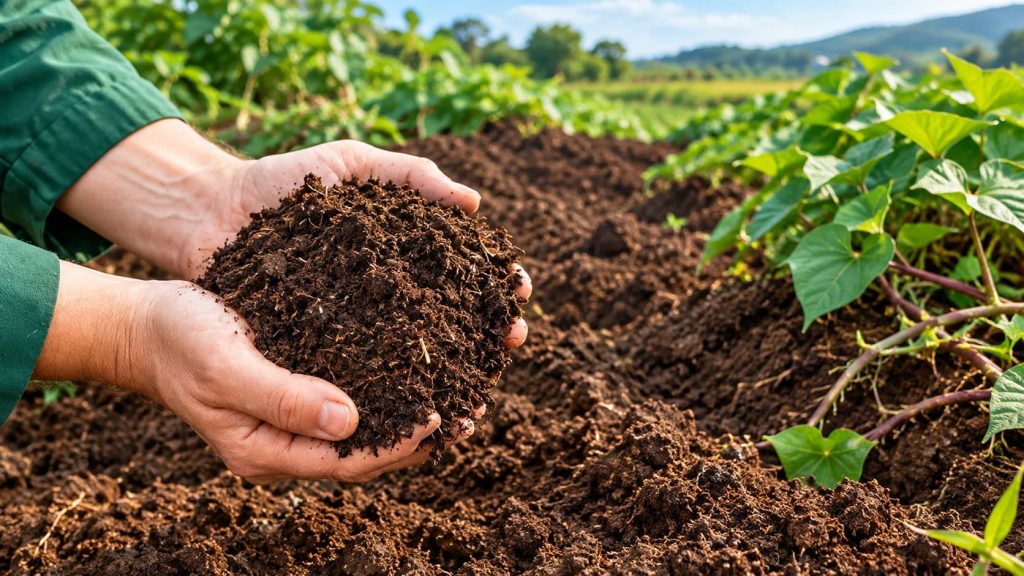
A succulent or cactus potting mix is a convenient choice. You can also use a suitable indoor potting mix amended with materials that improve drainage and aeration.
The goal is to prevent water from remaining around the roots for long periods.
Avoid heavy soil that becomes compacted and stays wet. Good drainage is especially important because Jade Plants are sensitive to prolonged moisture around their roots.
Choose a Pot With Drainage Holes
A container with drainage holes makes Jade Plant care much easier.
The holes allow excess water to escape after watering. Without drainage, water can accumulate in the bottom of the container even when the surface of the soil appears dry.
Choose a pot that fits the size of the root system. You do not need a very large container for a small Jade Plant.
Terracotta pots can also be useful because the porous material allows moisture to evaporate through the sides more readily than some nonporous containers.
Temperature and Humidity
Jade Plants generally prefer warm, comfortable indoor conditions.
Keep the plant away from cold drafts and sudden temperature changes. Avoid placing it directly next to heating vents or air-conditioning outlets.
Jade Plants do not require extremely humid conditions. Normal indoor humidity is often suitable, which makes them convenient for many homes.
Good air circulation around the plant is still helpful, particularly when several houseplants are grouped together.
Fertilizing a Jade Plant
Jade Plants do not need frequent feeding.
During active growth, you can use a balanced fertilizer formulated for houseplants or succulents according to the product label.
Avoid applying more fertilizer than recommended. Excessive fertilizer can contribute to salt buildup in the soil and may stress the plant.
During periods of slower growth, particularly when light levels are lower, the plant generally needs less fertilizer.
Always follow the instructions provided with your chosen fertilizer.
Pruning a Jade Plant
Pruning can help maintain the shape of a Jade Plant and encourage branching.
Use clean, sharp pruning shears to remove damaged, weak, or unwanted growth.
You can also trim overly long branches when you want to maintain a more compact shape. Make cuts carefully rather than removing large amounts of growth at once.
Pruning is often easiest during active growth because the plant can recover more readily.
Do not discard healthy cuttings automatically. Jade Plants can often be propagated from suitable stem or leaf material under the right conditions.
Repotting a Jade Plant
Jade Plants generally do not need frequent repotting.
Consider repotting when the plant has clearly outgrown its container, the roots have become crowded, or the existing soil no longer drains properly.
Choose a container only moderately larger than the current one and make sure it has drainage holes.
After repotting, give the plant time to adjust. Avoid immediately creating constantly wet soil conditions.
Repotting is also a useful opportunity to check the root system and replace old, compacted potting mix.
Common Jade Plant Problems
Even though Jade Plants are relatively easy to maintain, a few problems are common.
Yellow Leaves
Yellow leaves can have several causes. Excess moisture, poor drainage, low light, and natural aging can all contribute to leaf discoloration.
Look at the plant as a whole and check the soil before changing your watering routine.
Soft or Dropping Leaves
Leaves that become unusually soft may indicate watering or root-related problems.
If the soil is staying wet for a long time, check the container’s drainage and the potting mix.
Wrinkled Leaves
Wrinkled leaves can occur when the plant needs water, although other environmental factors can also affect leaf appearance.
Check the soil before watering. If it is already wet, adding more water may not solve the underlying problem.
Leggy Growth
Long, widely spaced stems often indicate that the plant is not receiving enough light.
Move it gradually toward a brighter location and monitor its response.
Simple Jade Plant Care Tips
Keep these basic habits in mind:
- Provide plenty of bright light.
- Let the soil dry between waterings.
- Use a well-draining potting mix.
- Always use a container with drainage holes.
- Avoid leaving the pot in standing water.
- Keep the plant away from cold drafts.
- Fertilize sparingly during active growth.
- Prune damaged or unwanted growth with clean tools.
- Repot only when necessary.
- Check the plant regularly for changes in leaves and stems.
Conclusion
Once you understand the basic needs of a Jade Plant, care becomes quite straightforward. Give it plenty of bright light, use fast-draining soil, and avoid frequent watering while the soil is still moist.
The most important habit is to pay attention to the plant and its growing environment rather than relying on a strict watering calendar. With consistent care, a Jade Plant can become a long-lasting and attractive addition to an indoor plant collection.
For more information about this popular succulent, including its characteristics and growing requirements, see our complete Jade Plant guide.
FAQ
How often should I water a Jade Plant?
Water when the soil has dried substantially. The exact timing depends on light, temperature, pot size, soil, and the season.
Does a Jade Plant need direct sunlight?
Jade Plants prefer plenty of bright light and can tolerate some direct sunlight. Introduce stronger sunlight gradually if the plant has been growing in lower light.
Why are my Jade Plant leaves falling off?
Leaf drop can have several causes, including watering problems, sudden environmental changes, low light, or natural aging. Check the soil and growing conditions first.
What type of soil is best for a Jade Plant?
Use a well-draining succulent or cactus potting mix. The soil should allow excess water to move away from the roots efficiently.
Should I mist my Jade Plant?
Regular misting is generally unnecessary. Jade Plants are adapted to relatively dry conditions and are better served by proper watering and good air circulation.
How much light does a Jade Plant need?
Give it a bright location with several hours of strong natural light when possible. If moving it into stronger sunlight, make the transition gradually.