The Bird of Paradise plant is a striking tropical houseplant known for its large leaves and bold, upright growth. With the right light, watering routine, soil, and humidity, it can grow into an impressive indoor plant.
Caring for a Bird of Paradise is not difficult, but this plant does best when its basic needs are consistent. The key is to provide plenty of bright light, avoid constantly wet soil, and give the leaves enough space to grow.
Choose the Right Location
The location you choose can make a big difference in how well your Bird of Paradise grows.
This plant prefers a bright spot with plenty of natural light. A position near a south- or west-facing window is often suitable indoors, especially when the plant receives several hours of bright light each day.
A few hours of gentle direct sunlight can be beneficial. However, if the plant has been growing in low light, gradually introduce stronger sunlight to reduce the chance of leaf stress.
Avoid placing the plant in a dark corner or far from windows. Insufficient light can result in slower growth and smaller leaves.
How Much Water Does a Bird of Paradise Need?
Bird of Paradise plants like consistent moisture during active growth, but they do not like sitting in water.
Before watering, check the top few inches of soil with your finger. If the soil feels dry, water thoroughly until some water drains from the bottom of the pot.
Allow excess water to drain away completely. Do not leave the container sitting in a saucer filled with water.
During cooler or darker periods, the plant may use water more slowly. In that case, allow the soil to dry a little more between waterings.
The exact watering schedule depends on factors such as light, temperature, pot size, soil, and indoor humidity. Checking the soil is more reliable than following a fixed calendar.
Use Well-Draining Soil
Good soil drainage is essential for Bird of Paradise care.
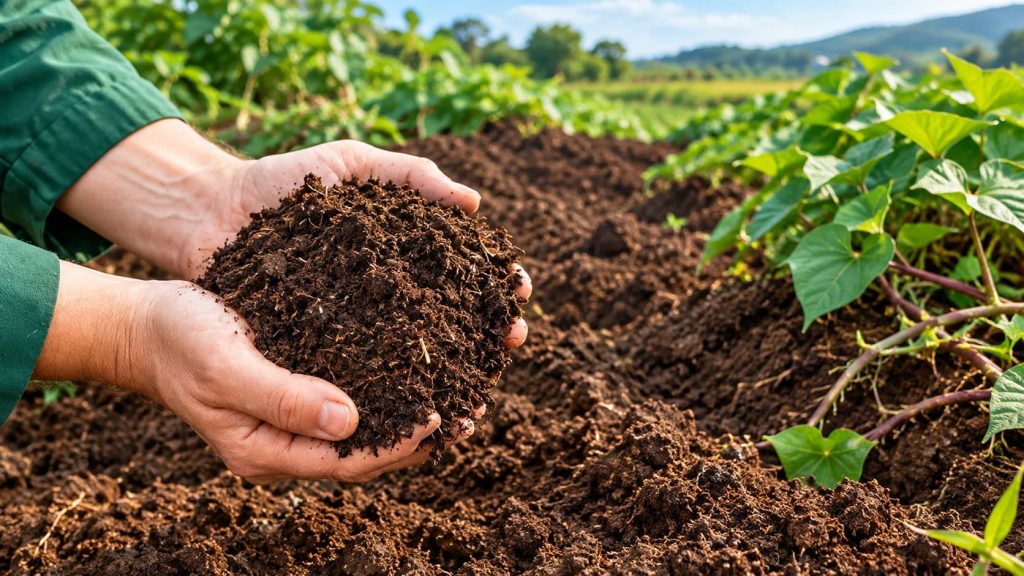
Choose a high-quality indoor potting mix that drains well while still holding some moisture. A mixture containing materials such as perlite or coarse bark can help improve aeration and drainage.
The pot should also have drainage holes. Without adequate drainage, excess water can remain around the roots and create unfavorable growing conditions.
Avoid using heavy garden soil by itself in a container. It can become compacted and drain poorly.
Provide Enough Humidity
Bird of Paradise plants come from warm, tropical environments, so they generally appreciate moderate to high humidity indoors.
If the air in your home is dry, especially during winter, you can increase humidity by placing the plant near other houseplants or using a humidifier.
Good air circulation is also important. Avoid keeping the plant in a completely stagnant area.
You do not need to keep the leaves constantly wet. Instead, focus on maintaining a comfortable indoor environment with reasonable humidity and airflow.
Keep the Plant Warm
Bird of Paradise plants prefer warm conditions and can be sensitive to cold temperatures.
Keep the plant away from cold drafts, frequently opened exterior doors, and very cold windows during winter.
A stable indoor temperature is usually easier for the plant than repeated changes between very warm and very cold conditions.
If you move the plant outdoors during warm weather, introduce it to the outdoor environment gradually and protect it from sudden changes in sunlight and temperature.
How to Fertilize a Bird of Paradise
A Bird of Paradise can benefit from regular feeding during its active growing season.
Use a balanced houseplant fertilizer according to the product label. Avoid applying more fertilizer than recommended, since excessive fertilizer can lead to salt buildup in the soil.
Fertilizing is generally less important when the plant is growing slowly during darker or cooler months.
Watering the plant before applying fertilizer can also help reduce the chance of concentrated fertilizer contacting dry roots.
Pruning and Cleaning the Leaves
Bird of Paradise plants naturally develop large leaves, and older leaves may eventually become damaged or yellow.
Remove completely dead or severely damaged leaves with clean pruning shears. Make the cut close to the base of the leaf stalk without damaging nearby healthy growth.
You can also gently wipe dusty leaves with a clean, damp cloth. Large leaves collect dust easily, and keeping them clean helps maintain their attractive appearance.
Do not remove healthy leaves simply because they have a small tear. Splitting and tearing can occur naturally as large Bird of Paradise leaves mature.
Repotting a Bird of Paradise
Bird of Paradise plants can grow vigorously and may eventually become root-bound.
Consider repotting when roots are becoming crowded, water is passing through the pot unusually quickly, or the plant has clearly outgrown its container.
Choose a new pot only slightly larger than the current one. A container that is dramatically larger can hold more moisture than the roots can use.
Spring or the beginning of active growth is often a convenient time to repot.
After repotting, water thoroughly and place the plant back in a bright location.
Common Problems to Watch For
Several common issues can appear when a Bird of Paradise is not receiving the conditions it prefers.
Brown leaf edges can be associated with dry air, inconsistent watering, excessive fertilizer, or other environmental stress.
Yellow leaves may occur naturally as older leaves age, but widespread yellowing can also indicate watering problems or unfavorable root conditions.
Leaf curling or drooping can occur when the plant is thirsty or experiencing environmental stress.
Slow growth is often associated with insufficient light, especially when a plant is kept indoors far from a bright window.
Check the plant’s growing conditions before making major changes. Adjust one factor at a time so you can see how the plant responds.
Quick Bird of Paradise Care Tips
For healthy growth, remember these basic habits:
- Give the plant plenty of bright natural light.
- Water when the upper portion of the soil becomes dry.
- Use a container with drainage holes.
- Choose a well-draining potting mix.
- Keep the plant warm and away from cold drafts.
- Provide moderate to high humidity when indoor air is very dry.
- Fertilize during active growth according to the label.
- Remove dead or badly damaged leaves.
- Rotate the pot occasionally for more even growth.
- Check leaves regularly for signs of pests.
Conclusion
Learning how to care for a Bird of Paradise plant mainly comes down to providing the right balance of light, water, warmth, humidity, and drainage. Once these conditions are consistent, the plant can become a dramatic and long-lasting addition to an indoor garden.
For a broader guide covering the plant itself, its characteristics, growing requirements, and other important details, see our complete Bird of Paradise Plant guide.
FAQ
How often should I water a Bird of Paradise?
Water when the upper part of the soil has dried rather than following a strict weekly schedule. Plants in brighter, warmer locations may need water more frequently.
Does Bird of Paradise need direct sunlight?
It can tolerate and benefit from some direct sunlight, but plants should be introduced to stronger sunlight gradually, particularly after growing indoors in lower light.
Why are my Bird of Paradise leaves turning brown?
Brown edges can have several causes, including dry indoor air, inconsistent watering, fertilizer buildup, or general environmental stress. Check the plant’s overall growing conditions.
Can Bird of Paradise grow indoors?
Yes. Bird of Paradise is commonly grown indoors when provided with a bright location, adequate space, suitable watering, and good drainage.
Should I cut damaged Bird of Paradise leaves?
Completely dead or badly damaged leaves can be removed with clean pruning shears. Minor splits in mature leaves do not always require removal.
Does Bird of Paradise need humidity?
It generally performs well with moderate to high humidity. If indoor air is very dry, a humidifier can help create a more suitable environment.