Growing jaboticaba trees can be a rewarding project if you give them the right growing conditions from the beginning. These unusual fruit trees are known for producing dark purple fruit directly on their trunk and older branches. They grow slowly, but with consistent care, a healthy tree can become a beautiful and productive part of a home garden.
The most important parts of jaboticaba care are soil, sunlight, watering, temperature, and pruning. Getting these basics right is usually more useful than trying to push the tree with heavy fertilizer.
Choosing the Right Soil
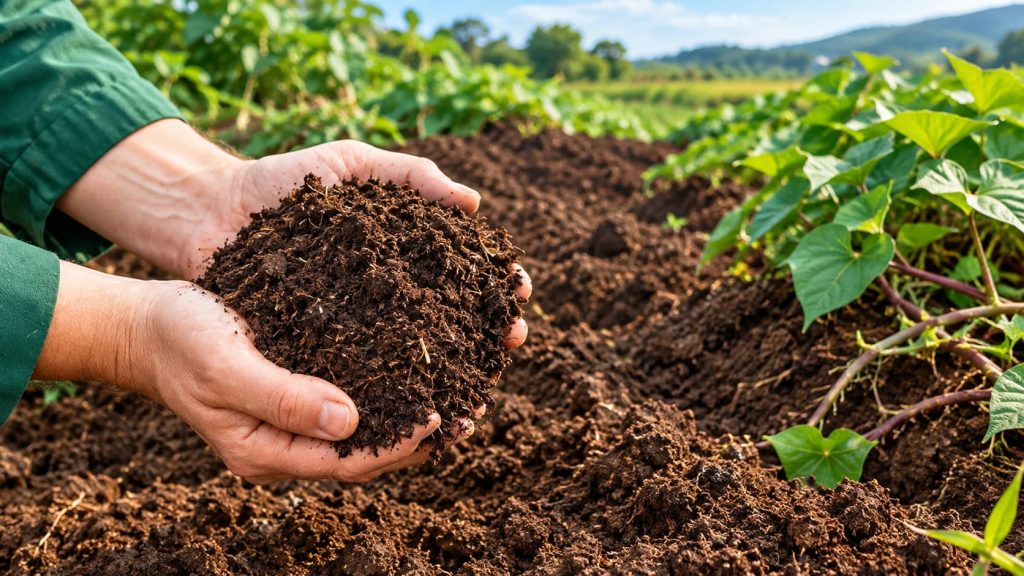
Jaboticaba trees prefer fertile, well-draining soil that can hold moisture without becoming constantly waterlogged. A soil mixture rich in organic matter works particularly well for young trees.
Good garden soil can be improved with compost or well-aged organic matter. The goal is to create a growing medium that stays evenly moist while still allowing excess water to drain away.
Avoid planting jaboticaba in heavy soil that remains saturated after rain. Poor drainage can make the roots struggle and may lead to weak growth.
For container-grown trees, use a quality potting mix rather than ordinary garden soil. The container should always have drainage holes.
How Much Sunlight Does Jaboticaba Need?
Jaboticaba trees generally grow well with plenty of sunlight. A location receiving several hours of direct sun each day can encourage stronger growth and better fruit production.
Young plants may appreciate some protection from intense afternoon heat, especially when temperatures are very high. Once established, a healthy tree can usually handle more sunlight if it receives adequate water.
When choosing a planting location, also consider surrounding trees and buildings. A spot that is sunny in the morning may become heavily shaded later in the day as nearby plants grow.
Good air circulation is another advantage because it helps keep the foliage from staying wet for long periods.
Watering Jaboticaba Trees
Consistent moisture is one of the most important parts of growing jaboticaba trees. These trees do not usually respond well to being allowed to dry out completely for long periods.
Water deeply when the upper layer of soil begins to dry. During hot or dry weather, the tree may need water more frequently.
Newly planted trees require particular attention because their root systems have not yet spread widely into the surrounding soil. Check the soil regularly rather than relying only on a fixed watering schedule.
Container-grown jaboticabas often need more frequent watering than trees planted in the ground. Containers can dry out quickly, especially during hot weather.
At the same time, avoid keeping the roots constantly submerged. Good drainage is just as important as regular watering.
Growing Jaboticaba in a Container
Jaboticaba is a good candidate for container growing, particularly when you want more control over soil conditions or need to move the tree during cold weather.
Choose a large container with drainage holes. As the tree grows, it may eventually need a larger pot.
Container growing also makes it easier to manage soil quality. Use a fertile potting mix that drains well while retaining enough moisture for the roots.
Keep the container in a bright location and monitor moisture more frequently than you would for a tree growing in the ground.
One advantage of container growing is that the tree can be moved to a more protected location when temperatures become unsuitable.
Pruning Jaboticaba Trees
Jaboticaba trees generally do not require aggressive pruning. The main purpose of pruning is to maintain a useful shape, remove damaged growth, and improve the structure of the tree.
Remove dead, broken, or diseased branches when necessary. You can also remove branches that cross each other or grow in an awkward direction.
Avoid excessive pruning simply to make the tree look smaller. Heavy pruning can remove productive wood and may slow the development of a young plant.
When pruning a container-grown tree, focus on maintaining a balanced canopy rather than repeatedly cutting back large sections.
Fertilizing for Healthy Growth
Jaboticaba trees benefit from fertile growing conditions, but more fertilizer is not always better.
A balanced fertilizer can be used during active growth according to the product’s directions. Organic matter such as compost can also help maintain soil fertility.
Young trees should be encouraged to develop a strong root system and healthy branches rather than being pushed into rapid growth.
If the leaves look pale or growth appears weak, examine watering, sunlight, drainage, and soil conditions before automatically increasing fertilizer.
Mulching Around the Tree
A layer of organic mulch can help maintain more consistent soil moisture. It can also reduce competition from weeds around the root zone.
Spread mulch over the soil surface, but keep it away from direct contact with the trunk. A small gap around the base allows the trunk to remain dry and reduces the risk of moisture-related problems.
Mulch can gradually break down and contribute organic matter to the surrounding soil.
Temperature and Winter Protection
Jaboticaba trees prefer warm growing conditions. Cold weather can become a concern, particularly for young trees and container-grown plants.
If you live in an area where temperatures regularly become cold, choose a protected planting location. A sheltered position near a building can provide some protection from cold winds.
Container-grown trees have an additional advantage because they can be moved into a protected area when necessary.
Young plants are generally more vulnerable to unfavorable weather than established trees, so extra protection during their early years can be worthwhile.
Common Growing Problems
Several common problems with jaboticaba trees are related to basic growing conditions.
Dry soil: Long periods without adequate water can cause stress and slow growth.
Poor drainage: Constantly wet soil can create unhealthy root conditions.
Too much shade: Insufficient sunlight may result in weaker growth.
Over-pruning: Removing too much healthy wood can reduce the tree’s productive potential.
Small containers: A tree that has outgrown its container may require more frequent watering and may have limited root space.
Instead of treating every problem with fertilizer or pruning, look at the overall growing environment first.
A Simple Jaboticaba Care Routine
A consistent routine makes jaboticaba care much easier. Check the soil regularly, especially during hot weather. Water when needed, keep weeds under control, and inspect the branches and leaves for signs of damage.
Apply mulch to help stabilize soil moisture and add organic matter when appropriate. Prune only when there is a clear reason to remove or reshape growth.
For gardeners who are learning about the tree for the first time, understanding the basic needs of Jaboticaba can make long-term care much simpler.
Final Thoughts
Growing jaboticaba trees is mostly about patience and consistency. They are not trees that need constant intervention. Give them fertile, well-draining soil, sufficient sunlight, regular moisture, and protection from unsuitable temperatures.
Pruning should remain light and purposeful, while container-grown trees need particular attention to watering and root space.
With the right conditions, jaboticaba can become an attractive fruit tree that provides both ornamental interest and unusual fruit for the garden.