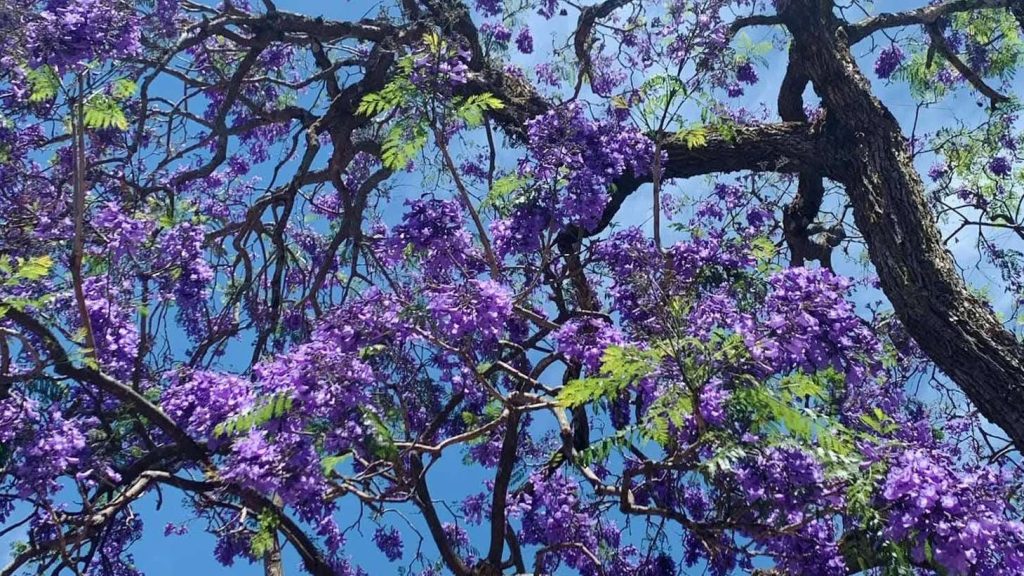
Jaboticaba fruit is unusual from the moment it begins to develop. Unlike many common fruit trees, jaboticaba produces its round fruit directly on the trunk and older branches. As the fruit matures, it changes from green to a deep purple or almost black color.
Knowing when jaboticaba fruit is ripe is important because the fruit has a relatively short shelf life once harvested. Picking it at the right stage gives you the best flavor and texture while making it easier to decide how much to eat immediately and how much to preserve.
When Does Jaboticaba Fruit Ripen?
Jaboticaba fruit generally ripens several weeks after flowering, although the exact timing depends on the variety, weather, tree age, and growing conditions.
Warm weather and consistent moisture can support normal fruit development. A tree that is stressed by drought or unfavorable temperatures may develop fruit differently or ripen at a different pace.
Instead of relying only on a calendar, look at the fruit itself. Color, firmness, and overall appearance are better indicators of ripeness.
How to Tell When Jaboticaba Fruit Is Ripe
The most obvious sign of ripe jaboticaba is its color.
Immature fruit is usually green. As it develops, the skin gradually becomes darker. Fully ripe fruit typically has a deep purple to nearly black appearance.
A ripe fruit should also feel slightly soft when gently touched. It should not be extremely hard like immature fruit, but it should not feel excessively mushy either.
The fruit should look full and well developed, with smooth, intact skin.
If several fruits on the same tree are changing color at different rates, harvest the ripe ones first rather than waiting for every fruit to reach the same stage.
Jaboticaba Fruit Ripening After Picking
Jaboticaba does not have the same long post-harvest life as many fruits commonly sold in supermarkets.
For this reason, it is usually best to harvest the fruit when it is fully or nearly fully ripe.
If you pick fruit too early, it may not develop the same quality and flavor you would get from fruit that matured properly on the tree.
This makes timing especially important for home gardeners. If you know you will be eating the fruit soon, allow it to reach its characteristic dark color before harvesting.
How to Harvest Jaboticaba Fruit
Harvesting jaboticaba is relatively simple because the fruit grows directly on the trunk and larger branches.
Pick fruit that has reached its mature dark color. Gently remove it from the tree rather than pulling aggressively on clusters or branches.
A shallow basket or container works well for collecting the fruit. Avoid crushing the fruit under heavy layers because ripe jaboticaba can become soft quickly.
If the tree is producing a large crop, harvest every day or every couple of days during the main ripening period.
Regular harvesting also helps prevent large amounts of overripe fruit from falling beneath the tree.
What Does Jaboticaba Fruit Taste Like?
The flavor of ripe jaboticaba is often described as sweet and fruity, with a pleasant balance between sweetness and acidity.
The flesh is juicy and soft. Inside, the fruit may contain one or more seeds depending on the variety.
The skin is dark and can have a somewhat different texture and flavor from the flesh.
Because the fruit is relatively small, many people simply eat it whole after washing it.
How to Eat Jaboticaba Fruit
One of the easiest ways to enjoy jaboticaba is to eat the fresh fruit directly from the tree.
Wash the fruit first, then bite into it or gently squeeze the skin to release the flesh.
You can also remove the skin if you prefer a softer texture. Some people eat the skin as well, while others prefer to separate it from the juicy interior.
Fresh jaboticaba can also be used in several kitchen preparations.
Common ideas include:
- Fresh fruit eaten as a snack
- Fruit added to desserts
- Homemade jam
- Jelly
- Sauces
- Juices and fruit drinks
- Smoothies
- Frozen fruit preparations
Because the fruit has a short shelf life, using a large harvest soon after picking can be more practical than trying to store everything fresh.
How to Store Jaboticaba Fruit
Fresh jaboticaba is best consumed soon after harvesting.
If you are not going to eat it immediately, keep the fruit cool and protected from excessive moisture. Refrigeration can help slow deterioration for a short period.
Place the fruit in a shallow container rather than piling a large amount together. This reduces pressure on the softer fruit at the bottom.
Before storing, remove fruit that is damaged, split, or already showing signs of spoilage.
Do not wash more fruit than you plan to use right away if you are trying to maximize storage quality. Excess moisture can encourage deterioration.
Can You Freeze Jaboticaba Fruit?
Freezing is one option when you have more fruit than you can eat fresh.
Wash and prepare the fruit before freezing. You can freeze it in a suitable sealed container or freezer bag.
Frozen fruit may become softer after thawing, so it is often more suitable for smoothies, sauces, desserts, jams, or other cooked preparations than for eating with the same texture as fresh fruit.
Freezing can be especially useful when a mature tree produces a large crop over a short period.
What to Do With an Extra Harvest
A productive jaboticaba tree can sometimes provide more fruit than a household can eat at once.
Instead of allowing excess fruit to sit on the tree until it deteriorates, consider processing it soon after harvest.
Making jam or jelly is a practical way to use a larger quantity. You can also freeze fruit for later use.
Sharing freshly harvested fruit with friends, family, or neighbors is another simple option.
The important thing is to plan ahead because ripe jaboticaba does not have an especially long fresh storage period.
Tips for Better Jaboticaba Harvests
Healthy growing conditions can make harvesting easier and more predictable.
Provide the tree with adequate sunlight, consistent moisture, and well-draining soil. Avoid allowing the root zone to become extremely dry for extended periods.
Regularly inspect the developing fruit as it changes color. Once a significant portion of the crop begins turning dark, check the tree frequently.
Harvest ripe fruit promptly and handle it gently.
If you want to preserve the harvest, prepare storage containers or processing supplies before the main crop reaches full maturity.
Final Thoughts
Jaboticaba fruit ripening is easy to monitor once you know what to look for. Green fruit gradually develops a deep purple or nearly black color as it approaches maturity, and ripe fruit becomes softer and more enjoyable to eat.
Harvest the fruit when it is mature, handle it carefully, and use it soon after picking for the best fresh quality.
For larger harvests, refrigeration, freezing, jams, jellies, and other preparations can help you enjoy the crop for longer. With a little planning, the short harvest window can become one of the most enjoyable parts of growing jaboticaba.
Understanding jaboticaba fruit ripening also makes it easier to decide exactly when to harvest and how to handle the fruit once it comes off the tree.