Cantaloupe is one of those garden crops that can be incredibly rewarding when you get the timing right. The vines take up some room, but watching the melons develop from small green fruits into fragrant, netted melons is worth the space.
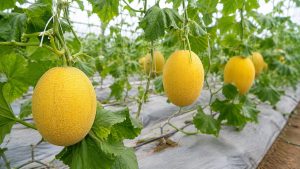
From my experience growing melons, the biggest lesson with cantaloupe is not to rush it. Good soil, plenty of sun, steady watering, and patience near harvest time make a noticeable difference in the fruit. A melon that is allowed to mature properly on the vine usually has much better flavor than one picked too early.
This guide covers how I approach growing cantaloupe, when to harvest it, what the ripe fruit tastes like, how to eat it, and how to keep it fresh after picking.
What Is Cantaloupe?
Cantaloupe is a warm-season melon grown on trailing vines. The plants need plenty of sunlight and room to spread, although they can also be trained onto a strong trellis when the fruit is supported properly.
The familiar cantaloupe has a rough, netted outer skin and orange flesh inside. Some varieties have different flesh colors or slightly different skin patterns, but the classic orange-fleshed type is probably what most gardeners picture when they hear the word cantaloupe.

The plant grows quickly once the weather becomes warm. Flowers appear along the vines, followed by small melons that gradually increase in size.
One thing I always keep in mind is that cantaloupe does not like cold soil or chilly weather. It is much easier to grow once the soil has warmed up and the danger of frost has passed.
Choosing a Good Spot for Cantaloupe
If I had to choose just one thing to prioritize, it would be sunlight.
Cantaloupe performs best in a location that receives full sun for most of the day. A sunny position helps the vines grow vigorously and gives the developing fruit the warmth it needs.
I also look for soil that drains well. Melon roots do not appreciate sitting in soggy ground for long periods.
Before planting, I like to loosen the soil and work in plenty of mature organic matter. The goal is simple: give the roots a loose, fertile growing area without creating a place where water sits after rain.
Good air movement around the plants is useful too. I avoid cramming too many vines into a small space.

Planting Cantaloupe in the Garden
Cantaloupe is easiest to grow when planted after the soil has warmed.
In cooler areas, gardeners can start seeds indoors and transplant the young plants after the weather settles. In warmer climates, direct sowing can work very well.
I prefer not to disturb young melon roots more than necessary. If transplanting, I handle the seedlings gently and try to move them into the garden before they become badly root-bound.
Give each plant enough space for its vines to spread. If you plant several melons close together, the vines can quickly turn a small garden bed into a tangled mass.
That’s not necessarily a problem, but it makes watering, checking the fruit, and spotting pests much harder.
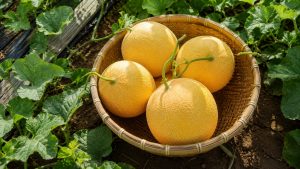
Watering Cantaloupe
Young cantaloupe plants need regular moisture while they are establishing themselves.
Once the vines are growing strongly, I focus on deep and consistent watering rather than constantly giving the plants small amounts.
The biggest mistake is letting the soil swing between very dry and very wet. Uneven watering can cause problems with fruit development and overall plant growth.
I usually water around the base of the plant instead of repeatedly wetting the leaves. Morning is a convenient time because the foliage has a chance to dry during the day.
As the fruit approaches maturity, I pay closer attention to watering. I don’t completely dry the plants out, but I avoid keeping the soil excessively wet.
Feeding the Plants
Cantaloupe is a hungry crop because it produces a lot of vine growth and fruit in a relatively short growing season.
Good soil preparation goes a long way. Compost or well-aged organic matter can provide a useful foundation before planting.
During the growing season, I watch the plants rather than blindly adding fertilizer. Healthy vines should produce strong growth and eventually flowers and fruit.
Too much nitrogen can encourage lots of leaves and vines without giving you the fruit production you actually want. For that reason, I prefer balanced feeding and avoid constantly pushing leafy growth.
The plants should look vigorous, but the goal is ultimately to grow good melons, not just a jungle of leaves.
Pollination and Fruit Development
Cantaloupe plants produce flowers that need pollination before the small fruits can develop properly.
Bees and other pollinating insects usually take care of this job in a garden with plenty of flowers and insect activity.
When I see flowers appearing, I try not to disturb the plants unnecessarily. Avoiding broad insecticide use around flowering plants can also help protect the pollinators that visit the blossoms.
After successful pollination, you’ll notice tiny melons forming behind the flowers. This is one of the most satisfying stages because you can finally see where your harvest is coming from.
The small fruits grow surprisingly quickly once the plant gets into a good rhythm.
Common Cantaloupe Growing Problems
Cantaloupe plants can attract several garden pests. Aphids, cucumber beetles, squash bugs, and spider mites may become problems depending on the growing area.
I make a habit of checking the leaves regularly instead of waiting until the plants look badly damaged.
Look underneath leaves and around new growth. Early detection makes pest problems much easier to manage.
Fungal diseases can also appear when plants stay wet for long periods or when air circulation is poor. Keeping adequate spacing between plants and watering near the soil can help create a better growing environment.
If a few damaged leaves appear, I don’t immediately panic. I look at the whole plant and try to determine whether the problem is spreading or staying isolated.
When Is Cantaloupe Ready to Harvest?
Harvest timing makes a huge difference with cantaloupe.
A common sign of maturity is the change in color and the development of a strong sweet aroma around the stem end. Depending on the variety, the skin may shift from green toward a more yellow or tan appearance.
The stem is another useful clue.
When a cantaloupe is fully mature, the fruit often begins to separate naturally from the vine at the stem. This is sometimes called the “slip” stage.
I don’t like to pick a melon simply because it has reached a certain size. Size alone doesn’t tell you whether the inside is ready.
Instead, I look at several signs together: skin color, aroma, the condition around the stem, and how close the fruit appears to be to natural separation from the vine.
If you’re growing cantaloupe for the best eating quality, patience near the end is usually worth it.

What Does Cantaloupe Taste Like?
A ripe cantaloupe should have a sweet, juicy, refreshing flavor.
The orange flesh is usually soft and tender, with a pleasant melon aroma. A properly ripe fruit can have a noticeably stronger fragrance than one picked too early.
The flavor is difficult to describe as simply “sweet.” There is also a mild floral and musky character that gives cantaloupe its distinctive taste.
Temperature also changes the experience. A chilled ripe cantaloupe is especially refreshing on a hot summer day.
An underripe melon can be disappointing. The flesh may be firm and lack the sweetness and aroma you expect. That’s one reason I pay so much attention to harvest timing.

Easy Ways to Eat Cantaloupe
You don’t need a complicated recipe to enjoy a good cantaloupe.
My favorite way is simply to cut the melon open, scoop out the seeds, remove the rind, and cut the flesh into bite-sized pieces.
For a simple summer snack, chill the pieces in the refrigerator before serving.
You can also add cubed cantaloupe to:
- Fresh fruit salads
- Yogurt bowls
- Smoothies
- Cold breakfast dishes
- Summer salads
- Fruit platters
Another easy option is to cut the melon into wedges and eat the flesh directly from the rind with a spoon.
If you’ve grown the melon yourself, I recommend trying a piece at room temperature before chilling the rest. That’s often when you can appreciate the full aroma and flavor of a properly ripe fruit.
How to Store Cantaloupe
Storage depends on whether the melon is whole or already cut.
A whole, ripe cantaloupe can usually be kept in the refrigerator for longer freshness. Once you cut it open, refrigerate the remaining pieces in a clean, covered container.
I prefer cutting only what I plan to eat soon. The whole melon generally keeps its texture and aroma better than cut fruit.
Before storing cut cantaloupe, remove the seeds and rind, then place the flesh in an airtight container.
If the fruit develops an unpleasant smell, unusual texture, or visible spoilage, I don’t try to save questionable pieces.
For the best flavor, I also avoid keeping cut melon for too long. Freshly cut cantaloupe simply tastes better.
My Tips for Getting Better Cantaloupe
After growing melons, I’ve found that a few simple habits make the job easier.
Give them plenty of sun. Don’t squeeze cantaloupe into a shady corner of the garden.
Prepare the soil before planting. Healthy roots make everything else easier.
Keep watering consistent. Large swings between drought and heavy watering aren’t ideal.
Watch the vines regularly. A quick inspection every few days can reveal pests or disease before they become serious.
Don’t rush harvest. This is probably the most important lesson. Let the fruit show you that it is ready.
Keep the growing area manageable. Cantaloupe vines can spread farther than you expect, so give them room from the beginning.
Harvest carefully. Once a melon is ready to come off the vine, handle it gently to avoid bruising the fruit.
Growing Cantaloupe Is Mostly About Timing
Cantaloupe isn’t especially complicated to grow, but it does reward gardeners who pay attention.
The plants need warmth, sunlight, good soil, regular moisture, and enough space to spread. After that, much of the work is simply watching the vines and waiting for the fruit to mature.
For me, the most rewarding moment is harvest day. You can pick a melon from the vine, bring it inside, cut it open, and immediately know whether you got the timing right.
When the flesh is fragrant, juicy, and naturally sweet, all the space those vines took up suddenly seems worthwhile.
If you’re planting cantaloupe for the first time, don’t worry about making everything perfect. Give the plants good growing conditions, check them regularly, and learn the signs your particular variety gives you when it is ready. With a little experience, harvesting ripe, flavorful cantaloupe becomes much easier.
Frequently Asked Questions
How much sun does cantaloupe need?
Cantaloupe grows best in full sun. A location with plenty of direct sunlight helps the plants produce strong vines and mature good-quality fruit.
How often should I water cantaloupe?
Water regularly enough to keep the soil consistently moist, especially while the plants are young and fruit is developing. Avoid keeping the soil constantly saturated.
How do I know when cantaloupe is ripe?
Look for several signs together, including a stronger sweet aroma, changes in skin color, and the fruit beginning to separate naturally from the vine.
Can cantaloupe grow on a trellis?
Yes. Cantaloupe can be grown vertically if you use a strong support and provide additional support for developing fruit so the vines aren’t carrying the full weight.
Should I refrigerate cantaloupe?
A ripe whole cantaloupe can be refrigerated to help maintain freshness. Once cut, store the pieces in a covered container in the refrigerator.
What does ripe cantaloupe taste like?
Ripe cantaloupe is sweet, juicy, fragrant, and tender, with the distinctive musky-floral flavor associated with this type of melon.
Why does my cantaloupe have little flavor?
Harvesting too early is one possible reason. Variety, growing conditions, sunlight, watering, and maturity at harvest can all influence the final flavor.