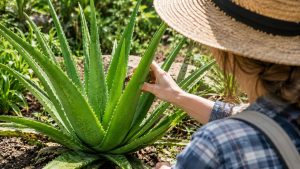
But what makes aloe vera such a popular plant, and how can you keep it healthy and growing well? Let’s take a closer look at this fascinating succulent plant and learn how to grow and care for aloe vera.
What Is Aloe Vera?
Aloe vera is a succulent plant native to the Arabian Peninsula and widely grown in warm regions worldwide. It forms a rosette of thick, pointed, water-storing leaves, making it easy to care for. Mature plants may produce tall flower stalks. Its clear inner gel is commonly used in skincare and personal-care products.
How to Identify Aloe Vera
Aloe vera is relatively easy to recognize because of its distinctive appearance.
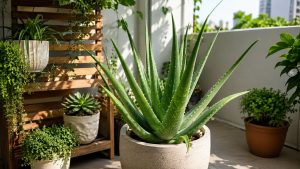
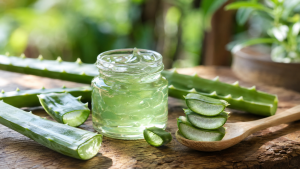
The plant grows in a rosette, with leaves emerging from a central base. Mature leaves are thick, fleshy, pointed, and often slightly curved outward.
The leaf edges usually have small teeth or serrations. Healthy foliage can range from green to gray-green, and plants grown under stronger light may develop a different coloration than those grown in lower-light conditions.
Aloe vera may also produce offsets, commonly called pups, around the base of the mature plant. These young plants can eventually be separated and grown in their own containers.
How to Grow and Care for Aloe Vera
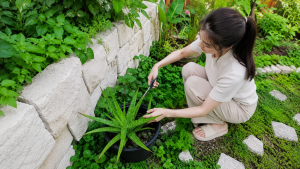
Aloe vera does not require complicated care, but the plant has one important preference: it does not like consistently wet soil.
Providing plenty of light and allowing the soil to dry between waterings are two of the most important parts of successful aloe vera care.
Choosing the Right Location
Choose a bright location where your aloe vera receives plenty of natural light.
A sunny windowsill can be an excellent indoor location. South- or west-facing windows can provide strong light, although plants should be introduced to intense sunlight gradually if they have previously been growing in lower light.
For outdoor growing, aloe vera can thrive on a sunny patio, balcony, or garden area in warm climates.
Protect the plant from prolonged exposure to freezing temperatures. Aloe vera is much more sensitive to cold than it is to dry conditions.
Choosing Soil and a Pot
Aloe vera needs soil that drains quickly.
A commercial cactus or succulent potting mix is a good option because it is designed to prevent excessive moisture around the roots. You can also improve a regular potting mix by adding materials such as perlite or coarse sand to increase drainage.
The container should always have drainage holes.
Avoid keeping aloe vera in a decorative container without drainage unless it contains a separate nursery pot that can be removed for watering.
Watering Aloe Vera
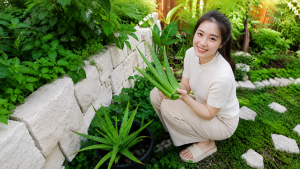
Watering correctly is one of the most important parts of aloe vera care.
Allow the soil to dry thoroughly between waterings. When the soil is dry, water deeply and allow excess water to drain completely from the bottom of the container.
Do not water again simply because several days have passed. Check the soil first.
Aloe vera stores water in its leaves, so it can tolerate dry periods better than constantly wet conditions.
During spring and summer, the plant may need water more frequently depending on temperature, light, container size, and soil. During cooler months, watering usually needs to be reduced because growth slows and the soil dries more slowly.
Light Requirements
Aloe vera grows best in bright light. Indoors, place it near a bright window with several hours of sunlight or strong indirect light.
Too little light can cause stretched, weak growth. When moving aloe vera outdoors, gradually increase sunlight to prevent leaf stress or sunburn.
Temperature
Aloe vera prefers warm temperatures and should be protected from cold drafts and freezing conditions.
If grown outdoors in a cold climate, bring container-grown plants indoors before temperatures drop too low.
Humidity
Aloe vera does not require high humidity. Normal indoor humidity is usually sufficient.
Good drainage and airflow are more important because excess moisture can cause root problems.
Fertilizing Aloe Vera
Aloe vera has modest fertilizer needs. During active growth, use a balanced fertilizer formulated for succulents according to the label instructions.
Avoid overfertilizing, which can damage the plant and cause salt buildup in the soil.
Repotting Aloe Vera
Aloe vera rarely needs repotting. Repot when the plant becomes root-bound, unstable, or the soil drains poorly.
Choose a slightly larger container and use a well-draining succulent mix.
Pruning Aloe Vera
Aloe vera requires little pruning. Remove old, damaged, or completely dried leaves with a clean, sharp tool.
Avoid cutting healthy leaves unnecessarily.
Propagating Aloe Vera From Pups
Aloe vera is easily propagated from pups growing around the base of a mature plant.
Separate a pup once it has developed its own roots or a well-developed base. Plant it in a small container with well-draining succulent soil.
Allow the pup to establish before watering thoroughly.
Aloe Vera Flowers
A mature aloe vera plant can produce a tall flower stalk under suitable growing conditions.
The stalk may rise above the foliage and produce clusters of tubular flowers, often in shades of yellow, orange, or reddish-orange.
Indoor aloe vera plants may flower less frequently than plants growing outdoors in bright, warm conditions.
Providing adequate light and allowing the plant to mature naturally can encourage flowering.
Benefits of Growing Aloe Vera
Aloe vera has several qualities that make it attractive as a houseplant.
First, it is relatively easy to care for. Its ability to store water in its leaves means it generally does not require frequent watering.
It also has an attractive architectural shape that works well in modern, minimalist, and natural interior spaces.
Because aloe vera remains relatively compact compared with many larger houseplants, it can be suitable for windowsills, desks, shelves, patios, and small container gardens.
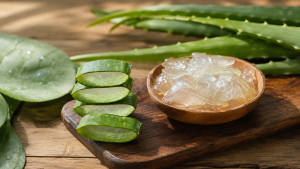
Aloe vera is also widely recognized for the gel contained inside its leaves, which is used in many commercial skincare products. However, household use of aloe products should be approached carefully, and eating the plant is not recommended.
Want to learn more about using aloe vera? Read our guide on how to use aloe vera to learn about harvesting, preparing fresh gel, topical use, storage, and important safety tips.
Common Aloe Vera Problems
Although aloe vera is generally resilient, several problems can occur when its growing conditions are unsuitable.
Yellow Leaves
Yellowing leaves can be a sign of watering problems, especially when the soil stays wet for too long.
Check the drainage and allow the soil to dry before watering again.
An occasional older leaf turning yellow can also be part of the plant’s normal growth cycle.
Brown or Dry Leaves
Brown leaf tips or dry areas can result from environmental stress, intense sunlight, underwatering, or physical damage.
Check the plant’s light and watering conditions before making major changes.
If the leaves are becoming dry and shriveled throughout the plant, the soil may be staying too dry for too long.
Soft or Mushy Leaves
Soft, translucent, or mushy leaves can indicate excessive moisture or other stress around the roots.
Check the soil immediately. If it remains wet for an extended period, review the container’s drainage and the type of growing medium being used.
Drooping Leaves
Aloe vera leaves may droop when the plant is stressed by insufficient water, poor light, or root problems.
Rather than watering immediately, inspect the soil first. If the soil is already wet, additional water may make the problem worse.
Aloe Vera Pests
Aloe vera can occasionally be affected by common succulent pests such as mealybugs, scale, and aphids.
Inspect the leaves and the areas around the base of the plant regularly. Early detection makes pest problems easier to manage.
How to Keep Aloe Vera Healthy
A simple routine can keep aloe vera growing well for years.
Give the plant plenty of bright light, use a fast-draining soil mix, and allow the soil to dry thoroughly between waterings.
Avoid placing aloe vera in consistently damp soil or a container without drainage.
You should also rotate the container occasionally if the plant is growing toward one source of light. This can help maintain a more balanced shape.
When the plant produces pups, you can leave them attached for a fuller appearance or separate them to create additional plants.
Is Aloe Vera Easy to Grow?
Yes. Aloe vera is considered one of the easier succulents for beginners.
It does not require frequent watering, tolerates relatively dry conditions, and can adapt well to indoor environments with sufficient light.
The biggest mistake to avoid is overwatering. If you provide bright light, fast-draining soil, and appropriate watering, aloe vera can remain healthy with relatively little maintenance.
Final Thoughts
Aloe vera is an attractive, low-maintenance succulent that can be grown successfully indoors or outdoors in suitable climates. Its thick foliage, compact growth habit, and ability to tolerate dry conditions make it a practical choice for beginner gardeners.
The key to growing healthy aloe vera is simple: give it plenty of light, use well-draining soil, choose a container with drainage holes, and allow the soil to dry between waterings.
With the right conditions, an aloe vera plant can remain a beautiful part of your home or garden for many years.
Aloe Vera FAQ
How often should I water aloe vera?
Water aloe vera when the soil has dried thoroughly. Avoid following a strict schedule because watering frequency depends on light, temperature, soil, and container size.
Does aloe vera need direct sunlight?
Aloe vera generally benefits from bright light and can handle direct sunlight when acclimated gradually. Very intense sunlight can cause stress if the plant is suddenly moved from a low-light location.
Can aloe vera grow indoors?
Yes. Aloe vera grows well indoors when placed near a bright window and planted in a well-draining succulent or cactus mix.
Why are my aloe vera leaves turning yellow?
Yellow leaves can be caused by excess moisture, poor drainage, or other environmental stress. Check the soil before watering and make sure excess water can drain freely.
How do you propagate aloe vera?
The easiest method is usually separating pups that develop around the base of a mature plant. Once separated, the pup can be planted in well-draining succulent soil.
Does aloe vera need high humidity?
No. Aloe vera generally prefers normal household humidity and does not require the high humidity favored by many tropical houseplants.
Can aloe vera grow outside?
Yes, aloe vera can grow outdoors in warm climates. In areas with cold winters or freezing temperatures, container-grown plants should be protected or moved indoors.
Garden Guide Hub