Dragon fruit is one of the most eye-catching tropical fruits you can find at a grocery store or farmers market. With its bright pink or yellow skin, green scales, and refreshing flesh dotted with tiny black seeds, dragon fruit looks almost too beautiful to eat. Beyond its unusual appearance, this tropical fruit is also known for its mild flavor, attractive color, and impressive nutritional profile.

Whether you have seen dragon fruit in a smoothie bowl, tasted it at a local market, or are thinking about growing your own at home, there is plenty to learn about this unique fruit. Dragon fruit can be enjoyed fresh, blended into drinks, added to salads, or used to create colorful desserts. It is also relatively easy to grow in the right climate, making it an interesting choice for gardeners who want to experiment with tropical and subtropical plants.
In this complete guide to dragon fruit, we will explore what dragon fruit is, where it comes from, the different varieties available, its nutrition and potential health benefits, how to choose and eat it, and how to grow dragon fruit at home.
Table of Contents
- What Is Dragon Fruit?
- Where Does Dragon Fruit Come From?
- What Does Dragon Fruit Taste Like?
- Types of Dragon Fruit
- Dragon Fruit Nutrition
- Potential Health Benefits of Dragon Fruit
- How to Choose a Ripe Dragon Fruit
- How to Eat Dragon Fruit
- Easy Dragon Fruit Smoothie
- How to Store Dragon Fruit
- How to Grow Dragon Fruit at Home
- Growing Dragon Fruit From Cuttings
- Growing Dragon Fruit From Seeds
- Common Problems When Growing Dragon Fruit
- Is Dragon Fruit Good for You?
- Dragon Fruit vs. Other Tropical Fruits
- Frequently Asked Questions About Dragon Fruit
- Final Thoughts on Dragon Fruit
What Is Dragon Fruit?
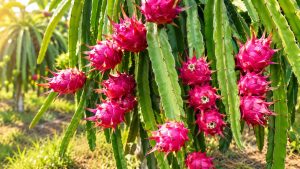
Dragon fruit is the edible fruit of several species of climbing cactus in the genus Selenicereus, formerly classified in the genus Hylocereus. It is also commonly known as pitaya or pitahaya.
The name “dragon fruit” comes from the fruit’s distinctive appearance. Its colorful skin and green, scale-like leaves resemble the mythical appearance of a dragon. The fruit itself is typically oval or slightly elongated and can range in size from a small handful to several inches long.
Inside the thick outer skin is soft, juicy flesh filled with many tiny black seeds. Depending on the variety, the flesh can be white, pink, red, or occasionally purple. The flavor is generally mild, subtly sweet, and refreshing.
Unlike some tropical fruits that have a strong or intense taste, dragon fruit has a relatively delicate flavor. This makes it easy to combine with other fruits and ingredients.
Dragon fruit is now widely available in many parts of the world, including the United States. It can often be found in larger supermarkets, Asian grocery stores, specialty produce markets, and farmers markets.

Where Does Dragon Fruit Come From?
Dragon fruit is native to tropical regions of the Americas, particularly areas of southern Mexico, Central America, and parts of South America. Over time, it was introduced to other tropical and subtropical regions around the world.
Today, dragon fruit is grown commercially in countries throughout Asia and other warm regions. Vietnam, Thailand, Malaysia, Taiwan, and several other countries have developed significant dragon fruit industries.
The plant grows particularly well in warm climates with plenty of sunlight. Because dragon fruit is a cactus, it is adapted to relatively dry conditions compared with many tropical fruit plants. However, it still needs adequate water during active growth and fruit production.
In the United States, dragon fruit can be grown outdoors in warm regions, including parts of Florida, Hawaii, Southern California, and other areas with suitable climates. In cooler regions, gardeners may grow dragon fruit in containers and move the plants indoors or into a greenhouse when temperatures drop.
What Does Dragon Fruit Taste Like?
Many people are curious about the taste of dragon fruit because its appearance is much more dramatic than its flavor.
In general, dragon fruit has a mild, lightly sweet flavor with a refreshing texture. Some varieties are sweeter than others. The flesh is juicy and soft, while the tiny black seeds provide a subtle crunch.
White-fleshed dragon fruit is often relatively mild. Red- or pink-fleshed varieties may have a slightly richer sweetness, although flavor varies depending on the variety, growing conditions, and ripeness.
A ripe dragon fruit should be juicy and pleasant to eat without having an overly strong aroma. Because the flavor is mild, dragon fruit works especially well with fruits that have stronger flavors, such as pineapple, mango, strawberries, oranges, and passion fruit.
Types of Dragon Fruit
There are several types of dragon fruit, and the most obvious differences are the color of the skin and flesh.
1. White-Fleshed Dragon Fruit
White-fleshed dragon fruit typically has bright pink or red skin with green scales. The inside contains white flesh and numerous tiny black seeds.
This is one of the most commonly encountered types of dragon fruit. Its flavor is usually mild and lightly sweet.
Because of its pale interior, white dragon fruit is often used in fruit salads, smoothies, and refreshing drinks.
2. Red-Fleshed Dragon Fruit
Red-fleshed dragon fruit has a similar outer appearance to white-fleshed varieties, but the inside is usually deep pink, red, or magenta.
The vibrant color makes this variety particularly attractive in smoothies and smoothie bowls. It can also naturally color drinks and desserts.
Red-fleshed dragon fruit often has a slightly stronger flavor than some white-fleshed varieties, although sweetness depends on the specific cultivar and growing conditions.
3. Yellow Dragon Fruit
Yellow dragon fruit has bright yellow skin and white flesh with tiny black seeds.
It is often considered one of the sweeter types of dragon fruit. The fruit may have a more noticeable sweetness and a pleasant tropical flavor.
Yellow dragon fruit can be harder to find in some American grocery stores, but specialty markets and farmers markets may carry it when it is in season.
4. Pink or Purple-Fleshed Dragon Fruit
Some dragon fruit varieties have intensely colored pink or purple flesh. These varieties are especially popular for their visual appeal.
When cut open, the bright flesh creates a dramatic contrast with the tiny black seeds. This makes them a popular ingredient for smoothie bowls, fruit plates, and social-media-friendly recipes.

Dragon Fruit Nutrition
Dragon fruit is a nutrient-rich fruit that can fit easily into a balanced eating pattern.
Like many fruits, dragon fruit contains water, carbohydrates, natural sugars, fiber, vitamins, and minerals. It is also relatively low in calories compared with many processed desserts and snacks.
The exact nutritional content varies depending on the variety and serving size, but dragon fruit can contribute several beneficial nutrients to the diet.
Fiber
Dragon fruit provides dietary fiber, which is important for normal digestive health.
Eating enough fiber as part of a balanced diet can help support regular bowel movements and overall digestive function. Fiber can also contribute to feelings of fullness, making high-fiber fruits a useful part of balanced meals and snacks.
Adding dragon fruit to yogurt, oatmeal, smoothies, or fruit salads is an easy way to increase variety in your diet.
Vitamin C
Dragon fruit contains vitamin C, an antioxidant nutrient that plays several important roles in the body.
Vitamin C is involved in normal immune function and is also needed for collagen production. Collagen is an important structural protein found throughout the body.
The amount of vitamin C varies among dragon fruit varieties, so it is best to enjoy the fruit as one part of a varied diet rather than relying on it as a single source of any nutrient.
Antioxidants
Dragon fruit contains naturally occurring antioxidant compounds.
Antioxidants are substances that help protect cells from oxidative stress. Many colorful fruits and vegetables contain antioxidant compounds, which is one reason nutrition experts often recommend eating a wide variety of plant foods.
The bright red and purple colors found in some dragon fruit varieties are associated with naturally occurring pigments that contribute to the fruit’s appearance.
Magnesium
Dragon fruit also provides small amounts of minerals such as magnesium.
Magnesium is involved in many normal processes in the body, including muscle and nerve function. Eating a diverse diet that includes fruits, vegetables, whole grains, legumes, nuts, and seeds can help provide a broad range of essential nutrients.
Potential Health Benefits of Dragon Fruit
Dragon fruit is a nutritious fruit that can be part of a healthy, balanced diet. While no single food can provide all the nutrients your body needs, adding a variety of fruits to your meals can contribute to overall nutrition.
Here are some potential benefits of including dragon fruit in your diet.
1. Supports a Healthy Digestive System
The dietary fiber found in dragon fruit can contribute to normal digestive health.
Fiber helps add bulk to the diet and supports regular bowel movements. A diet that includes enough fiber from fruits, vegetables, whole grains, beans, and other plant foods is generally beneficial for digestive health.
If you are increasing your fiber intake, it is also important to drink enough fluids throughout the day.
2. Provides Antioxidant Compounds
Dragon fruit contains antioxidants and naturally occurring plant compounds.
A diet rich in colorful fruits and vegetables provides a wide range of these compounds. Eating different types of produce is generally more beneficial than focusing on one “superfood.”
Adding dragon fruit to your diet can therefore be a delicious way to increase the variety of plant foods you consume.
3. Adds Vitamin C to Your Diet
Dragon fruit can contribute vitamin C to your daily diet.
Vitamin C is an essential nutrient that supports normal immune function and helps the body produce collagen. Including fruits such as dragon fruit, oranges, strawberries, kiwi, and other produce can help diversify your sources of vitamin C.
4. May Help You Eat More Fruit
One of the simplest benefits of dragon fruit is that it makes healthy eating more interesting.
Some people struggle to eat enough fruit because they find their usual choices repetitive. Trying new fruits can make meals more enjoyable and encourage greater variety.
Dragon fruit is especially useful for people who enjoy experimenting with smoothies, fruit bowls, and fresh snacks.
5. Naturally Hydrating
Dragon fruit contains a high percentage of water, which contributes to its juicy texture.
While drinking water remains important for hydration, water-rich fruits can also contribute to overall fluid intake. Enjoying fresh dragon fruit on a warm summer day can be a refreshing addition to a balanced diet.
How to Choose a Ripe Dragon Fruit
Choosing a ripe dragon fruit is important because the flavor and texture can vary depending on ripeness.
When shopping for fresh dragon fruit, look for fruit that has bright, evenly colored skin. The outer leaves or scales should look relatively fresh rather than extremely dry or brown.
Gently press the fruit with your fingers. A ripe dragon fruit should have a little give, similar to a ripe avocado or peach, but it should not feel excessively soft or mushy.
Avoid fruit with large bruises, leaking liquid, mold, or extensive damaged areas.
If the fruit is very firm, it may need additional time to ripen. However, dragon fruit generally does not become dramatically sweeter after harvest in the same way some other fruits do, so choosing good-quality fruit at the store is important.
How to Eat Dragon Fruit
Eating dragon fruit is surprisingly simple.
Start by washing the outside of the fruit. Although you do not eat the skin, washing the fruit helps prevent dirt or contaminants from transferring to the flesh when you cut it.
Next, place the dragon fruit on a clean cutting board and cut it in half lengthwise.
You can then scoop out the flesh with a spoon, similar to eating a kiwi. Alternatively, peel away the skin and cut the flesh into cubes or slices.
The tiny black seeds are edible and are naturally part of the fruit.
Fresh dragon fruit can be eaten on its own or combined with other ingredients.
Here are some simple ways to enjoy it:
- Add cubes to a fresh fruit salad.
- Blend it into a smoothie.
- Mix it with Greek yogurt.
- Add it to oatmeal.
- Use it in smoothie bowls.
- Freeze pieces for a cold summer snack.
- Add it to homemade popsicles.
- Combine it with mango and pineapple.
- Use it as a colorful topping for pancakes or waffles.
Because red-fleshed dragon fruit can have a strong natural color, it can also add a beautiful pink or purple tone to smoothies and desserts.
Easy Dragon Fruit Smoothie
One of the easiest ways to enjoy dragon fruit is in a smoothie.
Try blending:
- 1 cup fresh or frozen dragon fruit
- 1/2 cup frozen mango
- 1/2 cup strawberries
- 1/2 banana
- 1/2 cup milk or plant-based milk
- A few ice cubes
Blend until smooth.
You can adjust the ingredients based on your preferred texture and sweetness. Using frozen dragon fruit can create a thicker smoothie without requiring as much ice.
How to Store Dragon Fruit
Whole dragon fruit can usually be stored at room temperature for a short period if it is not fully ripe.
Once ripe, storing the fruit in the refrigerator can help extend its freshness.
After cutting, place the flesh in an airtight container and refrigerate it. For the best texture and flavor, try to eat cut dragon fruit within a few days.
Dragon fruit can also be frozen. Cut the flesh into cubes and place the pieces in a freezer-safe container or bag.
Frozen dragon fruit works particularly well in smoothies and frozen desserts.
How to Grow Dragon Fruit at Home
For gardeners interested in growing something unusual, dragon fruit can be an exciting plant to try.
Dragon fruit plants are climbing cacti that require warm temperatures, sunlight, support, and good drainage.
The plants can become quite large, so planning the growing location is important.
Choose the Right Location
Dragon fruit grows best in warm, sunny conditions.
Choose a location that receives plenty of sunlight throughout the day. In very hot climates, some afternoon protection may help prevent excessive heat stress.
The soil should drain well. Dragon fruit does not like sitting in waterlogged soil for long periods.
If your garden soil is heavy clay, consider growing the plant in a raised bed or large container filled with a well-draining growing mix.
Provide Strong Support
One of the most important parts of growing dragon fruit is providing support.
Dragon fruit plants are climbing cacti and can produce long, heavy branches. A strong trellis or post system is necessary to support the mature plant.
Many growers use a sturdy central post with a platform or support structure at the top. The branches can grow upward and then spread outward.
A weak support structure may eventually bend or break under the weight of a mature plant.
Plant in Warm Weather
Dragon fruit prefers warm conditions and should be planted when the risk of cold weather has passed.
In tropical and subtropical climates, plants can grow outdoors year-round.
In colder areas of the United States, growing dragon fruit in a container may be more practical. The container can be moved to a protected location when temperatures become too cold.
Cold temperatures can damage dragon fruit plants, especially young plants.
Water Carefully
Although dragon fruit is a cactus, it still needs regular watering during active growth.
The goal is to provide enough moisture without keeping the roots constantly wet.
Allow the soil to dry somewhat between watering sessions. The exact watering schedule depends on temperature, rainfall, soil type, container size, and the plant’s growth stage.
During rainy periods, outdoor plants may require little additional water.
Fertilize During Active Growth
Dragon fruit plants can benefit from appropriate fertilization during the growing season.
A balanced fertilizer or a fertilizer formulated for fruiting plants may be used according to the product label.
Avoid excessive fertilizer, especially nitrogen, because too much nitrogen can encourage leafy growth at the expense of flowering and fruit production.
Always follow the fertilizer manufacturer’s instructions.
Prune Dragon Fruit Plants
Pruning is an important part of maintaining a healthy dragon fruit plant.
Remove weak, damaged, diseased, or overcrowded branches. Training the plant onto its support structure can also improve airflow and make harvesting easier.
Good pruning practices can help keep the plant manageable as it matures.
Dragon Fruit Flowers
One of the most fascinating things about growing dragon fruit is its flowers.
Dragon fruit plants produce large, dramatic flowers that are often white and highly attractive. Many species bloom at night, which is why they are sometimes associated with night-blooming cactus plants.
The flowers are beautiful but relatively short-lived, making the flowering stage an exciting event for home gardeners.
Depending on the variety, pollination may occur naturally or may require assistance. Some varieties are self-fertile, while others may benefit from cross-pollination.

How Long Does Dragon Fruit Take to Produce Fruit?
The time required to produce fruit depends on how the plant was started.
Plants grown from cuttings can generally produce fruit sooner than plants grown from seeds.
Environmental conditions, variety, sunlight, nutrition, and care all influence fruit production.
A healthy, mature dragon fruit plant grown under suitable conditions may eventually produce multiple fruits during a growing season.
Patience is important because dragon fruit plants need time to establish themselves before producing a significant harvest.
Growing Dragon Fruit From Cuttings
Growing dragon fruit from cuttings is a popular method because it is generally faster than starting from seed.
A healthy cutting can be allowed to dry and form a callus before being planted in a well-draining growing medium.
Once planted, the cutting should receive appropriate moisture without becoming waterlogged.
As the cutting develops roots and new growth, it can be trained onto a strong support system.
When choosing a cutting, start with healthy plant material from a reliable source.
Growing Dragon Fruit From Seeds
Dragon fruit can also be grown from seeds.
To grow dragon fruit from seed, remove seeds from ripe fruit and clean away the surrounding flesh. The seeds can then be planted in a suitable growing medium.
Seed-grown plants typically take longer to mature and may not produce fruit identical to the parent plant.
For gardeners who enjoy experimenting, however, growing dragon fruit from seed can be a fun project.
Common Problems When Growing Dragon Fruit
Even though dragon fruit is relatively adaptable, gardeners may encounter several problems.
Overwatering
One of the most common problems is excessive moisture.
If the soil remains constantly wet, roots may suffer and the plant may become vulnerable to root problems.
Well-draining soil and appropriate watering are essential.
Cold Damage
Dragon fruit is a tropical and subtropical plant. Freezing temperatures can cause serious damage.
Gardeners in colder climates should consider container growing or greenhouse protection.
Sunburn
Although dragon fruit needs sunlight, sudden exposure to intense sunlight can sometimes cause damage, particularly if the plant has been grown in shade.
Gradually introducing plants to stronger sunlight can help reduce stress.
Poor Support
A mature dragon fruit plant can become heavy.
If the support structure is weak, branches may bend or break. Installing a strong support system early is usually easier than trying to fix the structure after the plant becomes large.
Lack of Flowers
A dragon fruit plant may fail to flower if it is too young, receives insufficient sunlight, or experiences unsuitable growing conditions.
Providing adequate light, proper nutrition, and good overall care can encourage healthy growth and flowering.
Is Dragon Fruit Good for You?
Dragon fruit can be a nutritious addition to a balanced diet.
It provides fiber, vitamin C, water, and various naturally occurring plant compounds. Its mild flavor also makes it easy to include in many different meals and snacks.
However, it is important to remember that no single fruit is a miracle food. The best approach is to eat a wide variety of fruits and vegetables alongside other nutritious foods.
For most people, dragon fruit can be enjoyed as part of a balanced eating pattern.
People with specific medical conditions, food allergies, or dietary restrictions should follow advice from their healthcare professional.
Dragon Fruit vs. Other Tropical Fruits
Dragon fruit is sometimes compared with other popular tropical fruits such as mango, pineapple, papaya, and passion fruit.
The biggest difference is its flavor.
Mango and pineapple generally have stronger, sweeter flavors, while dragon fruit is more subtle and refreshing.
Dragon fruit also stands out because of its appearance. Its bright skin and colorful flesh make it particularly attractive for food presentation.
From a gardening perspective, dragon fruit is also unusual because it grows on a climbing cactus rather than a traditional fruit tree.
This combination of appearance, flavor, and growing habit has helped dragon fruit become increasingly popular among consumers and home gardeners.
Frequently Asked Questions About Dragon Fruit
Is dragon fruit a cactus?
Yes. Dragon fruit comes from several species of climbing cactus.
Can you eat dragon fruit seeds?
Yes. The small black seeds inside dragon fruit are edible.
Can you eat dragon fruit skin?
The outer skin is generally not eaten. Most people cut the fruit open and remove the flesh from the skin before eating.
What color dragon fruit is the sweetest?
Sweetness varies by variety and growing conditions. Yellow dragon fruit is often considered particularly sweet, while some red-fleshed varieties can also be very flavorful.
Does dragon fruit need full sun?
Dragon fruit generally grows best with plenty of sunlight, although the ideal amount can depend on the local climate. In extremely hot areas, some protection from intense afternoon sun may be beneficial.
Can dragon fruit grow in the United States?
Yes. Dragon fruit can grow outdoors in warm regions of the United States. In colder areas, it may be grown in containers or protected environments.
How often should you water dragon fruit?
Watering frequency depends on climate, soil, container size, and plant growth. Allow the growing medium to dry somewhat between watering and avoid keeping the roots constantly wet.
How long does it take for dragon fruit to produce fruit?
The timeline varies depending on whether the plant is grown from a cutting or seed and on growing conditions. Plants started from healthy cuttings may produce fruit sooner than seed-grown plants.
Final Thoughts on Dragon Fruit
Dragon fruit is more than just a beautiful tropical fruit. Its colorful appearance, refreshing texture, mild sweetness, and nutritional value have made it increasingly popular with consumers around the world.
For people who enjoy trying new foods, dragon fruit is an easy fruit to add to smoothies, fruit salads, yogurt bowls, and refreshing snacks. Its vibrant color can also make everyday meals more visually appealing.
For gardeners, growing dragon fruit can be an enjoyable project. With warm temperatures, plenty of sunlight, well-draining soil, proper watering, and a strong support structure, this unusual cactus can become an attractive addition to a home garden.
Whether you buy dragon fruit at your local grocery store or decide to grow your own, this tropical fruit is certainly worth discovering. From its fascinating flowers and climbing growth habit to its colorful flesh and refreshing taste, dragon fruit offers something unique for both food lovers and home gardeners.
The next time you see a bright pink or yellow dragon fruit at the market, consider bringing one home. Cut it open, enjoy the fresh fruit, and discover why this striking tropical fruit continues to attract attention from gardeners and food lovers alike.