Japanese Maple is one of the most popular ornamental trees, loved for its graceful shape, beautiful foliage, and striking color changes throughout the seasons.
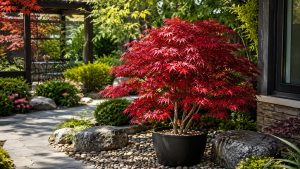
From large landscapes to small patios with container plants, Japanese Maple can become an attractive focal point. However, to keep the tree healthy and maintain its natural beauty, it is important to understand its growing conditions, basic care needs, and how to choose the right variety for your garden.
What Is a Japanese Maple?
Japanese Maple is a common name for a group of trees in the Acer genus, best known for their elegant form and distinctive foliage. The tree is native to Japan, Korea, and parts of East Asia and is now widely grown as an ornamental tree in gardens and landscapes around the world.
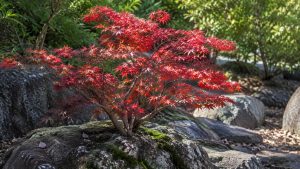
One of the reasons Japanese Maple is so popular is its variety of shapes and sizes. Some varieties grow into small, spreading trees, while others have upright forms or cascading branches.
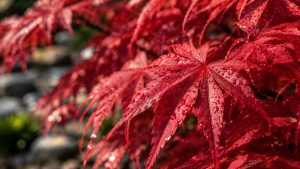
The leaves are one of the tree’s most recognizable features. Japanese Maple leaves usually have several delicate lobes, giving the foliage a softer and more refined appearance than many other maple trees. Depending on the variety, the leaves may be green, red, purple, orange, or yellow and can change color as the seasons progress.
Most Japanese Maples are deciduous. They lose their leaves in fall and enter dormancy during winter before producing new foliage in spring.
Japanese Maple Characteristics
Japanese Maple generally grows at a slow to moderate rate and usually remains smaller than many common shade maple trees. This makes it a practical choice for homeowners who want a long-lived ornamental tree without taking up too much space.
The mature shape varies considerably between varieties. Some develop a rounded canopy, while others have spreading, upright, or cascading branches.
The foliage is the main attraction. Small, deeply lobed leaves create a delicate texture that makes the tree stand out in a landscape. The leaves can also provide several different colors throughout the year.
Not all Japanese Maples have red leaves. Some varieties have green foliage during spring and summer before turning yellow, orange, or red in fall. Other varieties maintain shades of red or purple through much of the growing season.
During winter, Japanese Maple typically drops its leaves and becomes dormant. In spring, new buds begin to open and the tree gradually returns to its full appearance.
Popular Japanese Maple Varieties
There are many Japanese Maple varieties available to gardeners. They differ in mature size, leaf color, growth habit, and overall appearance.
Bloodgood is one of the most widely grown varieties. It is known for its deep red to burgundy foliage and upright growth habit, making it an attractive focal point in many landscapes.
Emperor One is another popular red-leaved variety. It produces attractive foliage and develops a relatively upright, well-formed shape.
Crimson Queen is known for its cascading growth habit. Its finely divided, red-purple leaves and graceful branches make it especially attractive as a landscape specimen.
Tamukeyama is another popular cascading variety. It has deeply divided leaves with rich red coloring and a graceful, spreading form.
Sango Kaku, often called Coral Bark Maple, is especially interesting because its young branches develop a distinctive coral-red color. This gives the tree ornamental value even after the leaves have dropped in winter.
There are also many compact Japanese Maple varieties that work well in containers, small gardens, and patios.
When choosing a variety, do not focus only on leaf color. Consider the tree’s mature size, growth habit, available space, and the climate where you live.
Growing Conditions
Light Requirements
Japanese Maple generally grows well in full sun to partial shade. Morning sun is often better than intense afternoon sun, especially in areas with hot summers.
Red-leaved varieties may need sufficient light to maintain good color, but excessive sunlight and high temperatures can cause leaf scorch. A location with gentle morning sunlight and some afternoon protection can be a good choice.
Soil
Japanese Maple prefers loose, well-draining soil that can retain some moisture without becoming waterlogged. Heavy, compacted soil or consistently wet conditions can create problems for the roots.
Before planting, improve poor soil with well-decomposed organic matter if needed. Good drainage is especially important because Japanese Maple does not tolerate having its roots sit in water for extended periods.
Slightly acidic to neutral soil is generally suitable for Japanese Maple.
Watering
Japanese Maple needs consistent moisture, especially during the first few years after planting. Young trees have smaller root systems and can be more sensitive to extended dry periods.
Instead of lightly watering every day, water deeply so moisture reaches the root zone. Then check the soil before watering again.
During hot or dry weather, the tree may need more frequent monitoring. Applying a layer of mulch around the root zone can help conserve moisture and reduce rapid changes in soil temperature.
Fertilizing
Japanese Maple does not require heavy fertilization. Applying too much fertilizer, particularly high-nitrogen fertilizer, can encourage excessive leafy growth without necessarily improving the tree’s appearance.
If the tree is growing normally, a fertilizer formulated for ornamental trees or landscape plants can be used according to the product directions. Fertilizing should be timed around the growing season, and heavy late-season applications should be avoided as the tree prepares for dormancy.
Japanese Maple Care
Proper Japanese Maple care helps the tree stay healthy and maintain its beautiful form throughout the seasons. After planting, apply a layer of mulch around the base to conserve moisture and protect the roots. Young trees need closer attention, especially during hot or dry weather. In winter, protect the tree from harsh winds and extreme cold when necessary. Regularly check the leaves, branches, and overall growth so you can spot and address potential problems early.
Pruning Japanese Maple
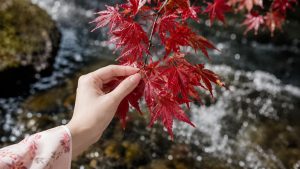
Japanese Maple usually does not require heavy pruning. Much of its beauty comes from its natural branch structure and canopy, so aggressive pruning can make the tree look unnatural.
When pruning, start by removing dead, damaged, or diseased branches. You can then remove branches that cross each other, grow toward the center of the canopy, or disrupt the tree’s natural shape.
Timing also matters. For major pruning, choose a time that fits the tree’s growth cycle and your local climate. Smaller branches can often be pruned more lightly when necessary.
A simple rule is to prune with a purpose rather than trying to completely reshape the tree.
Growing Japanese Maple in Pots
Some compact or slow-growing Japanese Maple varieties are well suited to container growing. This can be a great option for patios, decks, entryways, and small gardens.
Choose a container with drainage holes and enough room for the roots to develop. Avoid using a container that is too small because the soil can dry out quickly and restrict root growth.
Use a well-draining potting mix that can still hold some moisture. Container-grown Japanese Maples generally need closer attention to watering than trees planted directly in the ground.
The tree may eventually need to be repotted as the root system develops. When repotting, handle the roots carefully to minimize unnecessary damage.
Japanese Maple Leaf Color Through the Seasons
One of the main reasons Japanese Maple is so popular is the dramatic change in foliage color throughout the year.
In spring, new leaves emerge in colors that vary by variety. Some trees produce bright green foliage, while others develop red, purple, or orange leaves as soon as the new growth opens.
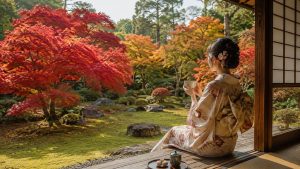
During summer, the foliage usually settles into a more consistent color. Japanese Maples grown in suitable light conditions can maintain attractive foliage throughout the growing season.
In fall, many varieties put on their most impressive display. Leaves may turn shades of red, orange, yellow, or deep burgundy before falling.
The exact color depends on the variety, temperature, sunlight, and growing conditions. As a result, the same Japanese Maple variety can sometimes produce slightly different fall colors in different locations.
Common Pests and Diseases
Japanese Maple is generally easy to care for when planted in the right location, but it can still experience pest and disease problems.
Aphids may appear on young shoots and the undersides of leaves. They feed on plant sap and can sometimes cause distorted foliage or weakened growth.
Scale insects can also affect Japanese Maple, attaching themselves to stems, branches, or leaves. Regular inspection can help you spot infestations early and take appropriate action.
Some problems are caused by environmental stress rather than pests or diseases. Brown or scorched leaf edges can be associated with intense sunlight, high temperatures, dry winds, or insufficient moisture.
Poor drainage can also become a serious concern because prolonged wet conditions can damage the root system.
Rather than focusing only on damaged leaves, look at the entire growing environment, including sunlight, watering, soil drainage, and weather conditions.
Conclusion
Japanese Maple is an excellent choice for gardeners who want an ornamental tree that provides beauty and changing color throughout the seasons. With so many varieties available in different sizes, colors, and growth habits, it is possible to find a Japanese Maple that fits both large landscapes and smaller gardens.
With the right location, well-draining soil, consistent moisture, and moderate care, a Japanese Maple can become a beautiful long-term focal point in the landscape.
Frequently Asked Questions
Is Japanese Maple easy to grow?
Yes. Japanese Maple is generally easy to grow when planted in a suitable location with good drainage, consistent moisture, and appropriate sunlight.
How much sunlight does a Japanese Maple need?
Japanese Maple generally grows well in full sun to partial shade. In areas with hot summers, morning sun followed by afternoon shade can help protect the foliage.
How often should I water a Japanese Maple?
Watering frequency depends on the weather, soil, and age of the tree. Newly planted trees usually need closer attention. Check the soil moisture before watering instead of following a fixed schedule.
Can Japanese Maple grow in a pot?
Yes. Compact and slow-growing varieties can grow well in containers when provided with a suitable pot, good drainage, and consistent care.
When should I prune a Japanese Maple?
Japanese Maple usually needs only light pruning. Focus on removing dead or damaged branches and branches that interfere with the tree’s natural structure.
Why are my Japanese Maple leaves turning brown?
Brown leaves can be caused by intense sunlight, high temperatures, drought stress, dry winds, or problems with the roots and soil. Check the growing conditions before deciding how to address the problem.
Do Japanese Maples lose their leaves in winter?
Yes. Most Japanese Maples are deciduous trees. Their leaves change color in fall and drop as the tree enters winter dormancy.
How fast does Japanese Maple grow?
Japanese Maple generally grows at a slow to moderate rate, although growth speed varies depending on the variety and growing conditions.