Bok choy is a fast-growing leafy vegetable that can be harvested while the leaves and stems are still tender and crisp. Knowing when to pick bok choy and how to handle it after harvest can make a noticeable difference in flavor, texture, and storage life.
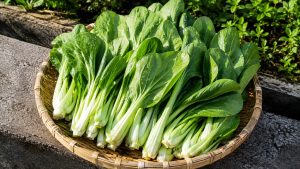
Whether you grow full-size bok choy or smaller baby varieties, harvesting at the right stage helps you enjoy a better crop and encourages you to make the most of every plant.
When Is Bok Choy Ready to Harvest?
The best time to harvest bok choy depends on the variety and the size you want. Baby bok choy can usually be picked earlier, while full-size plants need more time to develop larger leaves and thicker stems.
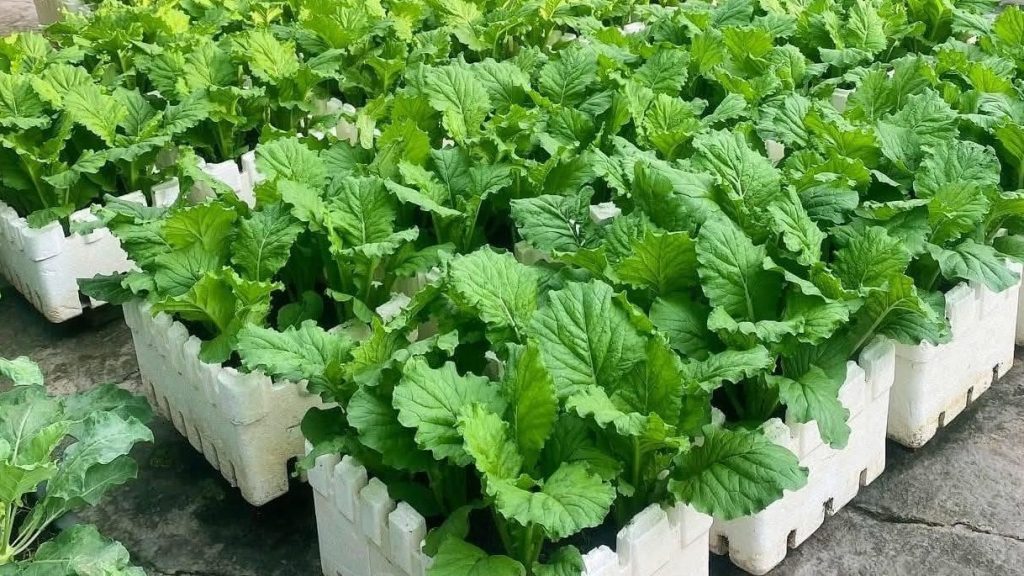
Look for plants with healthy green leaves, firm stems, and a well-developed base. The leaves should look fresh rather than wilted or damaged.
For baby bok choy, you can harvest when the plant is still relatively small and tender. Full-size bok choy should be allowed to develop a larger cluster of leaves before harvesting.
Avoid waiting too long if the weather is becoming hot. Mature plants can become tougher and may be more likely to bolt when temperatures rise.
How to Tell When Bok Choy Should Be Picked
Size is useful, but appearance and texture are also important indicators.
A ready-to-harvest plant should have:
- Firm, crisp stems
- Fresh green leaves
- A compact, healthy appearance
- No major signs of yellowing or wilting
- A strong base without obvious damage
If you are growing bok choy for tender stems and leaves, harvesting before the plant becomes overly mature usually produces the best texture.
You can also harvest individual outer leaves instead of removing the entire plant. This approach works well when you want a continuous supply of fresh greens from the garden.
The Best Time of Day to Harvest Bok Choy
Early morning is generally one of the best times to harvest bok choy. Plants are often well hydrated after the cooler nighttime hours, which helps the leaves and stems remain crisp.
Choose a cool, dry morning whenever possible. Avoid harvesting immediately after heavy rain because excess moisture can make handling and storage more difficult.
If you cannot harvest in the morning, late afternoon can also work. The important thing is to avoid picking during the hottest part of the day.
How to Harvest Full-Size Bok Choy
If you want to harvest the entire plant, use a clean, sharp knife to cut the bok choy near the base.
Make the cut low enough to remove the main plant while avoiding unnecessary damage to nearby plants. Handle the harvested bok choy gently because bruised leaves and stems tend to deteriorate faster during storage.
After cutting, remove any damaged or yellowing outer leaves. Do not wash the entire harvest immediately unless you plan to use it soon.
Another option is to pull the plant carefully from the soil and cut away the roots afterward. However, cutting the plant at the base is often easier and creates less disturbance around neighboring plants.
Harvesting Baby Bok Choy
Baby bok choy is valued for its small size and tender texture. It can be harvested while the plant is still young rather than waiting for it to reach full maturity.
Cut the plant at the base when the leaves have formed a compact cluster. Because baby bok choy is relatively small, you can harvest several plants at once and leave others in the garden to grow larger.
This also gives you flexibility when planting bok choy in batches. Instead of harvesting everything on the same day, you can pick plants at different stages for a longer harvest period.
Harvesting Individual Bok Choy Leaves
You do not always have to harvest the whole plant. If you only need a small amount for cooking, remove a few of the larger outer leaves and leave the center intact.
Use a clean knife or gently snap the leaves away from the base. Avoid taking too many leaves at once because the plant needs healthy foliage to continue growing.
This method can be especially useful in a home garden where you want fresh bok choy over several days or weeks.
What to Do With Bok Choy After Harvest
Handle bok choy carefully as soon as it comes out of the garden. Remove soil and damaged leaves, but avoid unnecessary washing if you are storing the vegetables for several days.
If the bok choy is wet, allow excess moisture to drain before placing it in the refrigerator. Excess moisture trapped around the leaves can encourage spoilage.
For the best quality, keep the vegetables cool as soon as possible after harvest.
How to Store Bok Choy in the Refrigerator
The refrigerator is the simplest way to keep freshly harvested bok choy crisp.
Wrap the bok choy loosely in a clean, slightly breathable bag or place it in the vegetable drawer. The goal is to prevent the leaves from drying out while avoiding excessive moisture buildup.
If you have several plants, avoid packing them too tightly together. Good airflow can help reduce the chance of soft or deteriorating leaves.
Keep the bok choy away from foods that produce strong odors if possible, as leafy vegetables can sometimes absorb nearby odors.
Should You Wash Bok Choy Before Storing?
It is usually better to wash bok choy shortly before you plan to cook it rather than washing it immediately after harvest.
If the vegetables have visible soil, gently remove the dirt and allow the surface to dry before refrigeration. When you are ready to use the bok choy, rinse the leaves and stems thoroughly under cool running water.
Pay particular attention to the area where the stems meet because soil can collect between the leaves.
How Long Does Fresh Bok Choy Last?
Fresh bok choy can stay in good condition for several days when refrigerated properly. The exact storage time depends on how fresh the vegetables were at harvest, their moisture level, and the storage conditions.
Check the leaves regularly and use any vegetables that are beginning to lose their crispness first.
Signs that bok choy is no longer at its best include extensive yellowing, slimy leaves, an unpleasant odor, or significant deterioration.
For the best flavor and texture, use freshly harvested bok choy as soon as practical rather than storing it for an extended period.
Tips for a Longer Bok Choy Harvest
If you want to extend your harvest, consider planting bok choy in batches rather than planting everything at the same time.
You can also harvest some plants when they are young and allow others to mature. Removing outer leaves from selected plants can provide smaller harvests without immediately removing the entire plant.
Keep an eye on the weather as well. Hot conditions can cause bok choy to bolt, which can change the plant’s texture and reduce its usefulness as a leafy vegetable.
Regular harvesting also helps you make decisions based on plant size rather than waiting for every plant to reach exactly the same stage.
Final Thoughts
Harvesting bok choy at the right stage helps preserve its crisp stems, tender leaves, and fresh flavor. Pick the plants when they have reached the size you want, preferably during the cooler part of the day, and handle them gently after cutting.
For storage, remove damaged leaves, limit excess moisture, and refrigerate the harvest promptly. Whether you prefer baby bok choy, full-size plants, or individual leaves, a little attention at harvest time can help you enjoy a fresher crop from the garden.
For more guidance on choosing the best harvest stage, see our guide to harvesting Bok Choy at the right time