Not every room in your home gets plenty of sunlight. Dark corners, north-facing windows, and rooms with limited natural light can make it difficult to grow houseplants. Fortunately, several indoor plants can tolerate low-light conditions while adding greenery and freshness to your living space.
If you want to bring more plants into your home without placing them directly beside a sunny window, these low-light houseplants are excellent choices. Many are also easy to care for, making them suitable for beginners.
What Makes a Good Low-Light Indoor Plant?
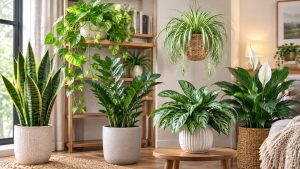
Low-light plants are houseplants that can survive and grow with less direct sunlight than many other plants. However, low light does not mean no light.
Most indoor plants still need some natural or artificial light to stay healthy. A room with a window that receives indirect light is usually enough for many low-light varieties.
The best low-light plants tend to have a few things in common:
- They tolerate indirect or filtered light.
- They can handle slower growth in darker rooms.
- They do not require frequent watering.
- They adapt well to indoor temperatures.
- Many can tolerate occasional care mistakes.
Keep in mind that a plant labeled “low light” may grow faster and produce healthier foliage when given brighter indirect light.
1. ZZ Plant
The ZZ plant is another excellent choice for rooms that do not receive much sunlight. Its glossy, dark green leaves give it a polished appearance that works well in modern homes and offices.
ZZ plants store water in thick underground rhizomes, allowing them to tolerate periods of dryness.
They can survive in relatively low light, but avoid placing them in complete darkness. A little indirect light will help maintain healthy growth.
Water when the potting mix has dried out. During winter, the plant may need water less frequently.
2. Pothos
Pothos is a popular choice for beginners because it grows easily in a variety of indoor conditions.
It can tolerate low light and looks particularly attractive when grown in a hanging basket or placed on a shelf. Its trailing stems can eventually grow several feet long.
Golden pothos may show less vibrant variegation when grown in very low light. If you want stronger leaf patterns, give it brighter indirect light.
Allow the top portion of the soil to dry before watering again.
3. Spider Plant
Spider plants are adaptable houseplants that can handle lower-light conditions. They have long, arching leaves and often produce small plantlets that grow along their stems.
These plantlets give spider plants a distinctive appearance and make them particularly attractive in hanging baskets.
Spider plants generally prefer bright, indirect light for the best growth, but they can adapt to areas with less light.
Water when the top layer of soil begins to dry. Avoid keeping the roots constantly soaked.
4. Cast Iron Plant
The cast iron plant has earned its reputation for being tough. It tolerates low light, inconsistent watering, and less-than-perfect indoor conditions better than many other houseplants.
Its long, dark green leaves create a lush appearance even in rooms that are not particularly bright.
This plant is especially useful for hallways, offices, bedrooms, and other spaces away from large windows.
Allow the soil to partially dry between waterings and avoid placing the plant in direct afternoon sunlight.
5. Chinese Evergreen
Chinese evergreen, also known as Aglaonema, is valued for its attractive foliage and ability to tolerate lower-light conditions.
Depending on the variety, its leaves may feature different shades of green, silver, or cream.
It is a good option when you want a decorative plant for an office, bedroom, or living room without needing a bright window.
Water when the upper part of the potting mix begins to dry. Keep the soil from remaining soggy for long periods.
6. Parlor Palm
Parlor palms bring a tropical appearance to indoor spaces without requiring intense sunlight.
They prefer bright, indirect light but can tolerate lower-light conditions. Their soft, arching fronds work especially well in living rooms and offices.
Because parlor palms grow relatively slowly indoors, they do not require frequent pruning.
Keep the soil lightly moist but not waterlogged. Allow the surface to dry slightly between waterings.
7. Peace Lily
Peace lilies are well known for their dark green foliage and elegant white flowers.
They can tolerate lower light than many flowering houseplants. However, very low light may reduce flowering, so provide brighter indirect light when possible if you want more blooms.
Peace lilies tend to show signs of needing water when their leaves begin to droop. After watering, they often recover quickly.
Keep the soil evenly moist but avoid leaving the pot sitting in water.
8. Heartleaf Philodendron
Heartleaf philodendron is a classic trailing houseplant with attractive heart-shaped leaves.
It performs well in bright, indirect light but can also adapt to lower-light areas. Its trailing growth makes it a good choice for bookshelves, plant stands, and hanging containers.
Growth may become slower and less dense in darker rooms.
Water when the top inch or two of soil feels dry, and make sure the container has drainage holes.
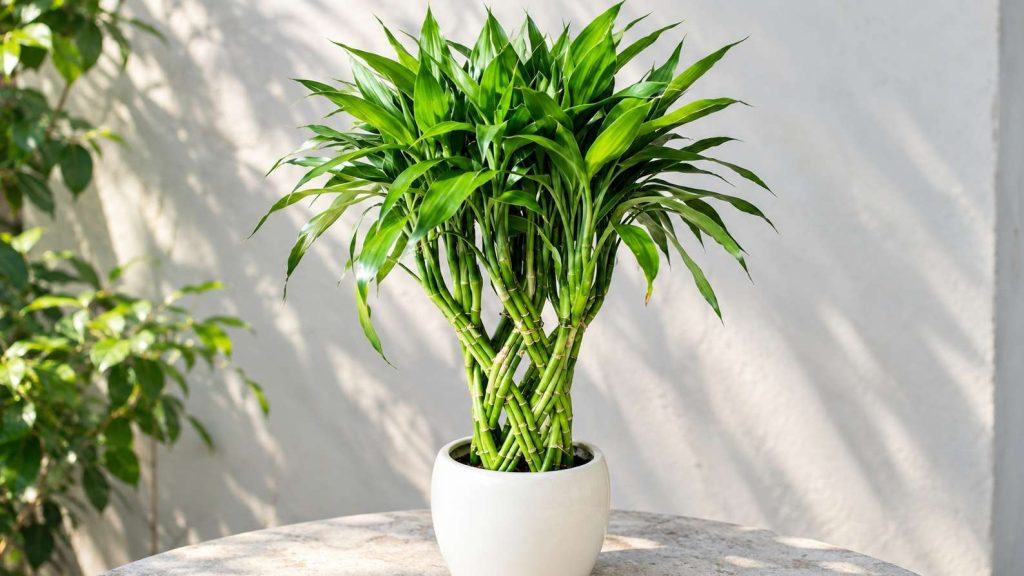
9. Lucky Bamboo
Lucky bamboo is a compact indoor plant that can grow in relatively low light.
Despite its common name, lucky bamboo is not actually a true bamboo. It is a type of Dracaena and is commonly grown indoors as a decorative plant.
It works well on desks, shelves, and small tables where space is limited.
If grown in water, use clean water and change it regularly. If grown in soil, keep the potting mix lightly moist without making it soggy.
How to Care for Low-Light Indoor Plants
Choosing a low-light plant is only the first step. Proper care is still important.
Avoid Overwatering
Plants growing in low light often use water more slowly than plants growing in brighter conditions. As a result, their soil may stay wet for longer.
Always check the soil before watering instead of following a strict schedule.
Provide Some Light
Low-light plants still need light. Do not assume they can live indefinitely in a windowless room.
If natural light is extremely limited, consider using a suitable grow light for several hours each day.
Use Containers With Drainage
Drainage holes allow excess water to escape and help reduce the risk of root problems.
A decorative container without drainage can be used as an outer cover, but the plant should remain in a pot that allows water to drain.
Rotate Your Plants
If your plant grows toward a window, rotate the container occasionally. This can encourage more balanced growth.
Watch for Changes
Pay attention to changes in leaf color, growth, and soil moisture.
Yellow leaves can sometimes indicate overwatering, while slow growth may simply mean the plant needs more light.
Can Low-Light Plants Improve Indoor Air Quality?
Indoor plants can contribute to a more pleasant living environment, but they should not be treated as a replacement for ventilation or other ways of maintaining good indoor air quality.
If you’re interested in choosing houseplants specifically for their potential air-quality benefits, see our guide to the best indoor plants for air quality
Combining attractive low-light plants with good ventilation, regular cleaning, and appropriate humidity can help create a more comfortable indoor environment.
Final Thoughts
Low-light indoor plants make it easier to bring greenery into rooms that do not receive strong sunlight. Snake plants, ZZ plants, pothos, spider plants, cast iron plants, and Chinese evergreens are among the easiest options to consider.
The key is to remember that low light does not mean zero light. Choose a location with some indirect illumination, avoid overwatering, and use well-draining containers.
With the right plant and basic care, even a darker room can become a greener and more inviting part of your home.