Zucchini is one of the easiest warm-season vegetables to grow, making it a favorite for home gardens. Plant it in spring after the danger of frost has passed, and give it full sun, fertile soil, and consistent moisture. With the right care, a healthy zucchini plant can produce an abundant harvest throughout the growing season.
In this guide, let’s explore how to grow zucchini successfully, from planting and spacing to harvesting and enjoying fresh zucchini.
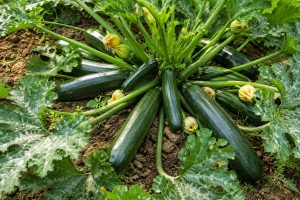
What Is Zucchini?
Zucchini is a type of summer squash belonging to the Cucurbitaceae family, along with pumpkins, cucumbers, and other squash varieties. It is harvested while the fruit is still young and tender rather than allowing it to mature fully.
The most common zucchini varieties produce long, green fruits, but gardeners can also find yellow, striped, round, and light-green varieties.
Zucchini plants grow quickly and have large leaves that spread outward from the base. Most varieties produce both male and female flowers, which need to be pollinated for fruit to develop.
Why Grow Zucchini?
Zucchini is especially attractive to home gardeners because it:
- Grows quickly in warm weather
- Produces fruit throughout summer
- Can be grown in garden beds or containers
- Is relatively easy for beginners
- Works well in many different recipes
- Can produce abundant harvests from just a few plants
Because zucchini plants can become large, planning the planting location before sowing seeds is important.
Best Planting Time for Zucchini

Zucchini is a warm-season vegetable that does not tolerate frost well. The best time to plant zucchini is after the danger of frost has passed and the soil has warmed.
For most areas, seeds can be planted when soil temperatures are around 60°F or warmer, with warmer soil generally helping seeds germinate more quickly.
When to Plant Zucchini
For a typical U.S. garden:
- Cool climates: Wait until late spring when frost has passed.
- Moderate climates: Plant in spring once the soil has warmed.
- Warm climates: Plant in early spring or again in late summer for a fall crop.
Zucchini grows best when daytime temperatures are consistently warm. Planting too early can result in slow growth, poor germination, or damage from cold weather.
For a longer harvest season, consider planting a second crop several weeks after the first planting.
Zucchini Spacing
Proper spacing is essential because zucchini plants can become surprisingly large. Crowded plants receive less airflow and may be more difficult to water, inspect, and harvest.
When growing zucchini in the ground, allow approximately 24 to 36 inches between plants, depending on the variety and available garden space. Larger spreading varieties may require even more room.
If planting in rows, leave enough space between rows for comfortable access.
Growing Zucchini in Containers
Zucchini can also grow in containers, especially compact or bush-type varieties.
Choose a container that is:
- At least 5 gallons in size
- Wide enough for the plant to spread
- Equipped with drainage holes
- Filled with fertile, well-draining potting soil
Container-grown zucchini usually needs more frequent watering because soil dries out faster than garden soil.
How to Grow Zucchini for High Yields

Growing zucchini successfully starts with choosing a sunny location, preparing fertile soil, and providing consistent moisture throughout the growing season.
Choose a Sunny Location
Zucchini grows best with 6 to 8 hours of direct sunlight each day. Choose a location where the plants will receive plenty of sun without being shaded by trees, buildings, or taller vegetables.
Prepare the Soil
Zucchini prefers fertile, well-draining soil with plenty of organic matter. Before planting, work compost or well-rotted organic matter into the soil to improve soil structure and support healthy plant growth.
Avoid areas where water regularly collects. Good drainage helps protect the roots from problems caused by consistently wet soil.
Plant the Seeds
Direct sowing is usually the simplest way to grow zucchini because the plants grow quickly and can be sensitive to root disturbance during transplanting.
Plant zucchini seeds about 1 inch deep once the soil has warmed to at least 60°F. Water the soil thoroughly after planting and keep it consistently moist while the seeds germinate.
Once seedlings emerge, thin them if necessary so the strongest plants have enough space to grow.
Water Regularly

Zucchini needs consistent moisture, especially during flowering and fruit development. Aim for about 1 inch of water per week from rainfall or irrigation, adjusting as needed during hot or dry weather.
Water deeply when the soil begins to dry rather than giving plants frequent, shallow watering. Whenever possible, water at the base of the plant instead of regularly wetting the leaves.
A layer of mulch around the plant can help conserve soil moisture, reduce weeds, and keep the soil more evenly moist.
Feed the Plants
Zucchini is a relatively heavy-feeding vegetable. Fertile soil with plenty of organic matter may provide much of what the plant needs, but additional fertilizer can be useful when soil fertility is low or plants show signs of poor growth.
Avoid applying excessive nitrogen. Too much nitrogen can encourage abundant leaf growth without necessarily improving fruit production.
If fertilizer is needed, use a balanced vegetable fertilizer according to the product label.
Encourage Pollination
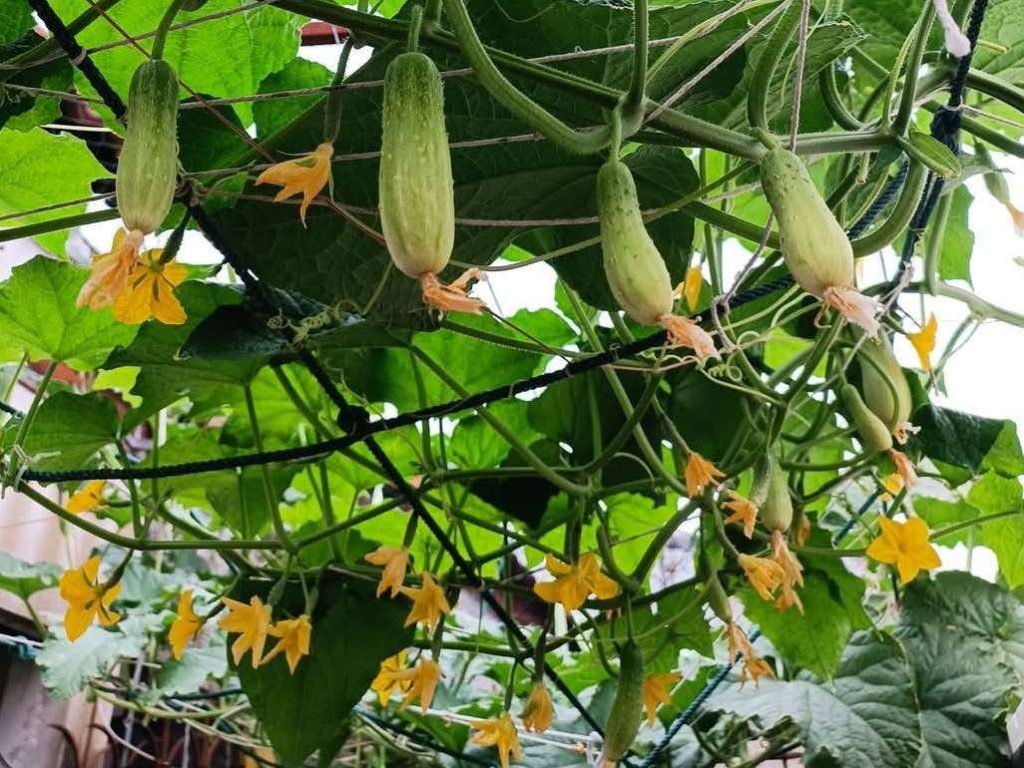
Good pollination is essential for zucchini fruit development. Zucchini plants produce separate male and female flowers on the same plant, and bees and other pollinators commonly transfer pollen between them.
Female flowers have a small swollen ovary behind the flower that develops into the zucchini fruit after successful pollination.
Planting flowers nearby can help attract pollinators. Avoid unnecessary pesticide use, especially when zucchini flowers are open and pollinators are active.
If flowers appear but the small fruits fail to develop and eventually drop from the plant, poor pollination may be one possible cause.
How to Harvest Zucchini
One of the biggest mistakes new gardeners make is waiting too long to harvest zucchini.
Zucchini grows rapidly, and fruit can become oversized in just a few days.
For tender zucchini with good texture, harvest when fruits are approximately 6 to 8 inches long, although the ideal size varies by variety and personal preference.
How to Harvest
Use a clean knife or garden shears to cut the zucchini from the plant. Leave a short portion of stem attached to the fruit.
Avoid pulling or twisting the fruit because this can damage the plant.
Check plants every day or two during peak production. Regular harvesting encourages the plant to continue producing new flowers and fruit.

Important Tips for Growing Zucchini
A few simple practices can help improve zucchini production and reduce common problems.
Use Mulch
A layer of organic mulch around the plant helps:
- Keep soil moisture consistent
- Reduce weed competition
- Protect roots from temperature changes
- Keep developing fruit cleaner
Keep mulch slightly away from the main stem to improve airflow around the base of the plant.
Watch for Pests
Common zucchini pests can include squash bugs, cucumber beetles, and squash vine borers.
Inspect leaves and stems regularly for insects, eggs, feeding damage, or signs of plant stress.
Early detection makes pest problems easier to manage.
Check the Leaves
Large zucchini leaves can sometimes develop powdery mildew, especially when humidity is high and airflow is poor.
Give plants adequate spacing and avoid unnecessary overhead watering.
Removing severely affected leaves may improve airflow, although the plant still needs enough healthy foliage to support fruit production.
Harvest Frequently
Frequent harvesting is one of the easiest ways to maintain productivity.
Instead of allowing several large fruits to remain on the plant, pick zucchini while it is young and tender.
Zucchini Nutrition & Benefits
Zucchini is a nutrient-rich vegetable that can fit easily into a balanced diet. It is naturally low in calories and provides water, fiber, vitamins, minerals, and plant compounds.
It contains nutrients such as:
- Vitamin C
- Vitamin B6
- Potassium
- Manganese
- Dietary fiber
- Carotenoids
The exact nutritional content depends on the variety and serving size.
Because zucchini contains a high amount of water, it can also contribute to overall hydration when included as part of meals.
Eating a variety of vegetables is generally more important than relying on any single vegetable for health benefits.
How to Eat & Use Zucchini

Fresh zucchini is extremely versatile. Young zucchini can be eaten with the skin, making preparation quick and easy.
Sautéed Zucchini
Slice zucchini into rounds or half-moons and sauté it with a small amount of oil, garlic, herbs, or other vegetables.
This is one of the simplest ways to use a fresh garden harvest.
Roasted Zucchini
Cut zucchini into chunks or spears, season with herbs and spices, and roast until tender and lightly browned.
Roasting brings out a deeper flavor and works well as a side dish.
Grilled Zucchini
Cut zucchini lengthwise into thick slices and grill until tender with light browning.
Grilled zucchini works well alongside other summer vegetables.
Zucchini Noodles
Young zucchini can be turned into thin noodles using a spiralizer. Zucchini noodles can be served with tomato sauce, pesto, vegetables, or other ingredients.
Zucchini Bread
Extra zucchini can also be shredded and added to baked goods. Zucchini bread is a popular way to use a large harvest when plants are producing more fruit than you can eat fresh.
Eating Zucchini Raw
Young zucchini can be sliced thinly and added to salads, sandwiches, wraps, or vegetable platters.
The tender skin does not usually need to be removed.
If you have plenty of fresh zucchini from your garden and are looking for new ways to enjoy it, check out our zucchini recipes for easy and delicious ideas. From sautéed zucchini with garlic and crispy roasted zucchini to grilled zucchini, fritters, casseroles, and fresh zucchini noodles, there are plenty of simple dishes to try at home.
Conclusion
Zucchini is a productive and beginner-friendly vegetable that can provide an abundant summer harvest with relatively simple care. Start seeds after the danger of frost has passed, choose a sunny location, prepare fertile soil, and give plants enough space to spread.
Consistent watering, good pollination, pest monitoring, and frequent harvesting are the main factors that help zucchini plants stay productive.
For the best flavor and texture, harvest zucchini while the fruits are still young and tender. With just a few plants, you can have plenty of fresh zucchini for sautéing, roasting, grilling, salads, noodles, and baking throughout the growing season.
FAQ
How long does zucchini take to grow?
Most zucchini varieties can begin producing harvestable fruit about 45 to 60 days after planting, although the exact timing depends on the variety, weather, and growing conditions.
How much sunlight does zucchini need?
Zucchini generally grows best with 6 to 8 hours of direct sunlight per day. A sunny location helps support healthy foliage, flowering, and fruit production.
How far apart should zucchini plants be?
Most zucchini plants should be spaced about 24 to 36 inches apart. Spreading varieties may require additional room.
How often should I water zucchini?
Water zucchini deeply whenever the soil begins to dry. Plants need especially consistent moisture during flowering and fruit development.
Why does my zucchini plant have flowers but no zucchini?
A lack of developing fruit can sometimes be related to poor pollination. Zucchini needs pollen to move from male flowers to female flowers for fruit development.
How do I know when zucchini is ready to harvest?
Zucchini is generally best harvested when it is young and tender. Many gardeners harvest fruits around 6 to 8 inches long, although smaller fruits can also be harvested.
Can zucchini grow in containers?
Yes. Compact zucchini varieties can grow successfully in large containers with good drainage, fertile potting soil, adequate sunlight, and regular watering.