Growing zucchini from seeds is an easy and rewarding project for beginner gardeners. Zucchini plants grow quickly when they receive enough sunlight, moisture, and nutrients, making them a popular choice for home vegetable gardens.
Starting from seeds also gives you more control over the growing process. With the right planting time and basic care, you can grow healthy zucchini plants and enjoy a steady harvest throughout the growing season.
1. When to Plant Zucchini Seeds
Zucchini is a warm-season vegetable that grows best in warm soil and mild to hot weather. Seeds should be planted after the danger of frost has passed.
For most gardeners, the ideal time is when soil temperatures are at least 60°F (16°C). Zucchini seeds germinate faster when the soil is warmer.
You can plant zucchini seeds directly in the garden or start them indoors a few weeks before the last expected frost.
When planting outdoors:
- Wait until frost has passed.
- Choose a warm planting period.
- Avoid planting in cold, waterlogged soil.
- Provide enough space for the plants to spread.
Direct sowing is often the simplest option because zucchini grows quickly and does not need a long indoor growing period.
2. Choosing the Right Location
Zucchini plants need plenty of sunlight to produce healthy leaves and fruit. Choose a location that receives at least 6 to 8 hours of direct sunlight per day.
Good air circulation is also important. Avoid placing zucchini in a crowded area where leaves remain wet for long periods after watering or rain.
A suitable location should have:
- Full sun
- Good air circulation
- Well-draining soil
- Easy access to water
- Enough room for plants to spread
If you have limited garden space, compact zucchini varieties can be grown in large containers.
For more information about plant selection, spacing, and general care, see this complete guide to growing zucchini at home.
3. Preparing the Soil
Zucchini grows best in fertile, well-draining soil that contains plenty of organic matter.
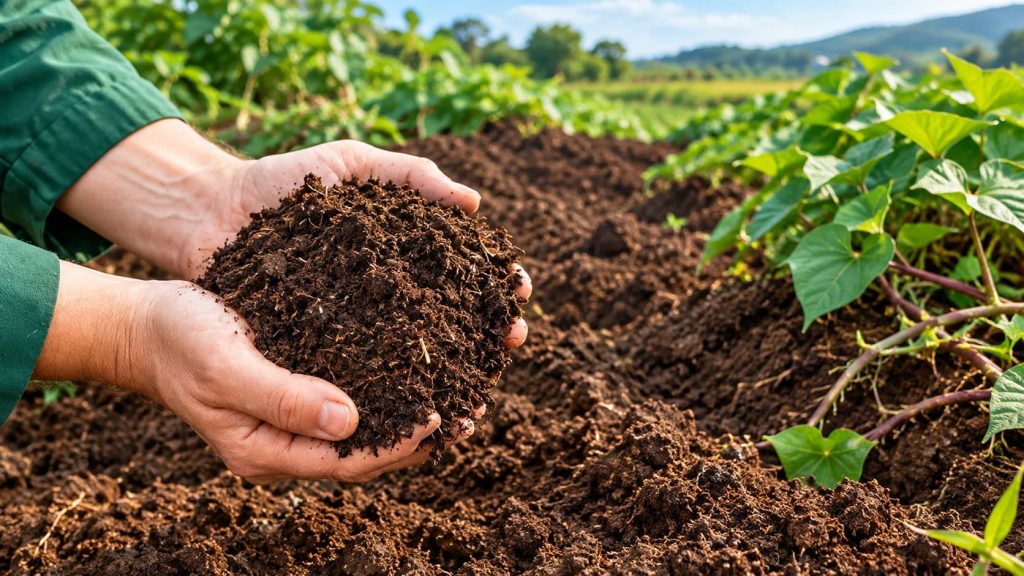
Before planting, loosen the soil and remove large rocks, weeds, and plant debris. Adding compost can improve soil structure while providing nutrients for young plants.
Work a layer of mature compost into the top few inches of soil before sowing the seeds.
Avoid soil that stays saturated after watering. Poor drainage can make it difficult for zucchini roots to develop properly.
A simple soil preparation process is:
- Remove weeds and debris.
- Loosen the planting area.
- Mix in compost or other organic matter.
- Smooth the soil surface.
- Water lightly if the soil is very dry.
4. How to Plant Zucchini Seeds
Zucchini seeds are relatively large and easy to handle. Plant them directly into prepared soil once temperatures are warm enough.
Make a small hole about 1 inch deep and place one or two seeds inside. Cover them lightly with soil and water gently.
If planting several zucchini plants, leave adequate space between planting locations because mature plants can become quite large.
Keep the soil consistently moist while waiting for germination. Under warm conditions, zucchini seeds can sprout within several days.
Once seedlings appear, choose the strongest plant if you planted two seeds in the same location.
5. Watering Zucchini Seedlings
Young zucchini plants need consistent moisture while their roots are developing. Water when the soil surface begins to dry rather than allowing the seedlings to remain completely dry for long periods.
Water slowly around the base of the plant so moisture reaches the root zone.
Avoid constantly wetting the leaves, especially late in the day. Watering at soil level helps keep foliage drier and can support healthier plants.
During hot weather, zucchini may require more frequent watering because large leaves lose moisture quickly.
Mulching around established seedlings can also help conserve soil moisture and reduce competition from weeds.
6. Thinning and Spacing
If multiple zucchini seedlings grow in the same planting spot, they should be thinned so the strongest plant has enough room to develop.
Thinning is easier when seedlings are still young. Instead of pulling aggressively on the unwanted seedling, carefully cut it at soil level to avoid disturbing the roots of the plant you want to keep.
Proper spacing helps provide:
- Better air circulation
- More sunlight
- Less competition for water
- Easier harvesting
- More room for leaves and fruit to develop
Always check the seed packet for the recommended spacing because plant size varies between zucchini varieties.
7. When to Fertilize
Zucchini generally benefits from fertile soil, but excessive fertilizer is not necessary.
If you prepared the soil with compost before planting, young plants may not need additional fertilizer immediately.
Once plants become established, a balanced vegetable fertilizer can be used according to the product label.
Avoid applying excessive nitrogen. Too much nitrogen can encourage abundant leaf growth without necessarily producing the best fruit harvest.
A healthy zucchini plant should have vigorous green growth and gradually begin producing flowers as it matures.
8. Common Problems With Young Plants
Young zucchini plants can experience several common gardening problems.
Poor germination: Cold soil, old seeds, or inconsistent moisture can reduce germination.
Yellowing leaves: Yellow leaves may result from watering problems, poor drainage, nutrient deficiencies, or other growing conditions.
Wilting: Plants may wilt when the soil is too dry, especially during hot weather.
Insect damage: Squash bugs, cucumber beetles, and other garden pests may feed on young zucchini plants.
Powdery mildew: A white, powdery coating can develop on leaves under favorable conditions. Good air circulation and proper watering practices can help reduce disease pressure.
Regularly checking your plants makes it easier to notice problems before they become severe.
9. When to Harvest
One of the best things about growing zucchini is how quickly the fruit develops.
Zucchini is usually harvested while the fruit is still young and tender. Check your plants frequently once they begin producing fruit because zucchini can grow surprisingly fast.
Use a clean knife or garden pruners to cut the fruit from the plant rather than pulling it.
Regular harvesting encourages continued production throughout the growing season.
For many varieties, zucchini is especially tender when harvested at a smaller size, although the ideal harvest size depends on how you plan to use it.
10. FAQ
How long does it take zucchini seeds to germinate?
Under warm and favorable conditions, zucchini seeds can germinate within several days. Cooler soil may slow germination.
Can I plant zucchini seeds directly in the garden?
Yes. Direct sowing is one of the easiest ways to grow zucchini because the plants grow quickly and prefer warm conditions.
How deep should zucchini seeds be planted?
Zucchini seeds are generally planted about 1 inch deep. Always check the seed packet for variety-specific instructions.
How much sunlight does zucchini need?
Zucchini generally grows best with at least 6 to 8 hours of direct sunlight each day.
How often should I water zucchini seedlings?
Water when the soil begins to dry, keeping the root zone consistently moist without leaving it waterlogged.
Why are my zucchini seedlings not growing?
Slow growth can be caused by cold temperatures, insufficient sunlight, poor soil, inconsistent watering, or pest damage.
Conclusion
Learning how to grow zucchini from seeds is relatively simple when you provide the plants with warm soil, full sunlight, fertile soil, and consistent moisture. Start seeds at the right time, give young plants enough space, and monitor them regularly as they develop.
Because zucchini plants can produce fruit quickly, regular harvesting is an important part of maintaining production. With a little preparation and basic care, even beginner gardeners can successfully grow zucchini from seed in a home garden.