Mushroom is a fascinating part of the natural world and a rewarding addition to any gardening journey. I still remember the first time I noticed tiny mushrooms appearing in a shaded growing area, seemingly overnight. Unlike traditional plants, mushrooms do not rely on sunlight to grow. Instead, they need the right moisture, temperature, humidity, airflow, and growing medium.
From familiar edible varieties to unique forest species, mushrooms come in countless forms. Learning about mushroom types, benefits, uses, and growing methods can help you appreciate these fascinating fungi and even enjoy fresh mushrooms grown at home.
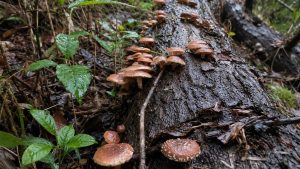
1. What Is a Mushroom? Common Types of Mushrooms
Mushrooms are fungi rather than traditional plants. They obtain nutrients by breaking down organic matter and typically thrive in environments with suitable moisture, humidity, and airflow. Although thousands of mushroom species exist worldwide, only a portion are commonly grown or eaten.
Edible mushrooms are valued for their distinctive flavors, textures, and versatility in the kitchen. Some are easy to find at grocery stores, while others are popular among home growers and mushroom enthusiasts.
Common edible mushroom varieties include Button Mushrooms, Cremini Mushrooms, Portobello Mushrooms, Shiitake Mushrooms, Oyster Mushrooms, Enoki Mushrooms, and Lion’s Mane Mushroom.
Each variety has its own appearance, flavor, growing requirements, and culinary uses. Learning the differences between these popular mushrooms is a great first step before choosing a variety to grow at home.
2. Nutritional Value of Mushrooms
Mushrooms are a nutritious addition to a balanced diet. Many edible varieties are naturally low in calories and fat while providing important nutrients such as B vitamins, potassium, selenium, copper, phosphorus, and dietary fiber.
The exact nutritional profile varies depending on the mushroom variety and growing conditions. Fresh mushrooms also have a high water content, making them light and versatile ingredients for everyday meals.
Mushroom Nutrition per 100 g
| Nutrient | Amount per 100 g |
|---|---|
| Calories | 22 kcal |
| Protein | 3.1 g |
| Carbohydrates | 3.3 g |
| Dietary Fiber | 1.0 g |
| Fat | 0.3 g |
| Water | 92.5 g |
| Potassium | 318 mg |
| Phosphorus | 86 mg |
| Selenium | 9.3 µg |
| Copper | 0.32 mg |
Nutritional values can vary between mushroom species, so the table should be considered a general reference rather than a value for every type of mushroom.
Source: Harvard T.H. Chan School of Public Health – The Nutrition Source
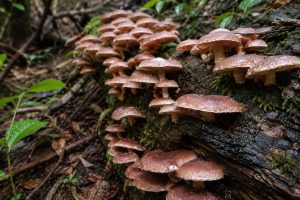
3. Mushroom Benefits and Uses
Mushrooms offer more than flavor and texture. Their nutritional profile and naturally occurring compounds make them a useful addition to a varied, balanced diet.
Supports Immune Health
Mushrooms contain various compounds and antioxidants that may help support normal immune function.
Provides Antioxidants
Many mushrooms contain antioxidants, including ergothioneine and glutathione, which help protect cells from oxidative stress.
Supports Heart Health
Mushrooms are naturally low in fat and provide nutrients such as potassium and dietary fiber, making them a useful ingredient in a heart-conscious eating pattern.
Promotes Healthy Digestion
The dietary fiber found in mushrooms can contribute to a healthy digestive system and support regular digestion.
Supports Bone Health
Some mushrooms, particularly those exposed to ultraviolet light, can provide vitamin D, which plays an important role in maintaining healthy bones.
Supports Energy Metabolism
Mushrooms provide B vitamins such as riboflavin and niacin. These nutrients help the body use food for energy and support normal cellular functions.
A Low-Calorie Food Choice
Fresh mushrooms are naturally low in calories, making them an easy ingredient to add to soups, salads, stir-fries, pasta, and other balanced meals.
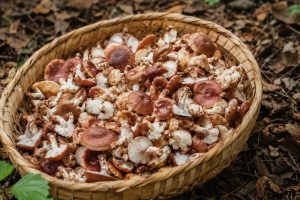
4. How to Cook and Use Mushrooms
Mushrooms are one of my favorite ingredients because they can turn a simple meal into something flavorful and satisfying. Before cooking, gently clean fresh mushrooms with a soft brush or damp cloth and trim any tough ends. Avoid soaking them for a long time because mushrooms can absorb excess water.
Here are some popular ways to cook and use mushrooms:
- Sautéed Mushrooms: Cook mushrooms with butter or olive oil, garlic, and fresh herbs for a simple side dish.
- Mushroom Soup: Simmer mushrooms with onions and broth for a warm and comforting soup.
- Stir-Fry: Combine sliced mushrooms with vegetables, tofu, chicken, or beef for a quick meal.
- Grilled Mushrooms: Large varieties such as Portobello mushrooms are excellent for grilling.
- Pasta and Risotto: Add sautéed mushrooms for rich savory flavor and satisfying texture.
- Pizza Topping: Mushrooms pair well with cheese, tomatoes, herbs, and other vegetables.
- Mushroom Omelet: Cooked mushrooms make a flavorful filling for a simple breakfast.
For the best texture and flavor, cook mushrooms until they become tender and lightly browned.
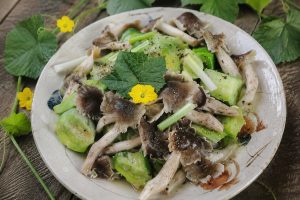
5. How to Grow and Care for Mushrooms
Growing mushrooms at home is a simple process when you provide the right growing conditions. Mushrooms do not need soil or direct sunlight. Instead, they need a suitable substrate, healthy mushroom spawn, moisture, the right temperature, humidity, and fresh air.
Choose the Right Mushroom
Oyster mushrooms are one of the easiest varieties for beginners. They can grow well on substrates such as straw, hardwood sawdust, or other suitable organic materials. Choose a mushroom variety that matches the temperature and humidity conditions in your home.
Prepare the Growing Substrate
Prepare clean straw, hardwood sawdust, or another substrate suitable for your mushroom variety. Add clean water gradually until the material is evenly moist but not soaking wet. Squeeze a handful to check the moisture level. The substrate should feel damp without releasing excess water.
Depending on the mushroom species, pasteurize or sterilize the substrate before use. Allow it to cool completely before adding the mushroom spawn.
Add Mushroom Spawn
Before handling the spawn, wash your hands and clean your tools and growing containers. Mix healthy mushroom spawn evenly throughout the cooled substrate. Place the mixture into a clean growing bag or container and close it according to the requirements of your mushroom variety.
Let the Mycelium Grow
Keep the growing container in a clean area away from direct sunlight and extreme temperatures. During this stage, the mushroom mycelium gradually spreads throughout the substrate.
Maintain the recommended temperature and moisture level for your mushroom species. Avoid opening the container unnecessarily because unwanted mold and bacteria can contaminate the growing medium.
Create Fruiting Conditions
When the substrate is fully colonized, adjust the growing environment to encourage mushroom formation. Maintain suitable humidity, temperature, and fresh-air exchange. If the growing surface becomes dry, lightly mist it with clean water.
Avoid excessive moisture because waterlogged conditions can encourage contamination. Provide indirect light if your mushroom variety requires it. Under suitable conditions, small mushroom pins will begin to form and gradually develop into mature mushrooms.
6. Harvesting and Storing Mushrooms
Harvesting is one of the most rewarding parts of growing mushrooms at home. The ideal harvest time depends on the variety, but most edible mushrooms should be picked while they are fresh, firm, and properly developed.
Harvest at the Right Stage
Pick mushrooms when their caps have developed but are still firm and before they become overly mature.
Handle Mushrooms Gently
Twist or cut mushrooms carefully to avoid damaging the growing medium or developing clusters.
Clean Before Storage
Remove loose pieces of growing material, but avoid washing mushrooms until you are ready to cook them.
Refrigerate Fresh Mushrooms
Store fresh mushrooms in the refrigerator to help maintain their quality and freshness.
Use Breathable Packaging
A paper bag or breathable container can help reduce excess moisture and prevent mushrooms from becoming slimy.
Dry for Longer Storage
Some mushroom varieties can be dried and stored in an airtight container for longer-term use.
Check Before Eating
Discard mushrooms that develop an unpleasant odor, slimy texture, or unusual discoloration.
7. Preventing Pests and Diseases When Growing Mushrooms
Mushrooms can be affected by mold, bacteria, contamination, and small insects when growing conditions are too wet or unsanitary. Prevention is much easier than trying to correct a contaminated growing environment.
Keep Everything Clean
Clean and sanitize growing containers, tools, hands, and working surfaces before handling mushroom spawn or substrate.
Control Humidity
Maintain adequate moisture without allowing the growing medium to remain excessively wet.
Provide Fresh Air
Good ventilation helps reduce excess moisture and creates a healthier growing environment.
Use Clean Growing Materials
Choose fresh, uncontaminated substrate and healthy mushroom spawn from a reliable source.
Remove Contaminated Material
If you notice unusual mold, discoloration, or unpleasant odors, separate the affected material from healthy mushroom cultures.
Keep Insects Away
Use clean, enclosed growing areas or suitable screens to reduce the risk of fungus gnats and other small pests.
Inspect Regularly
Check your mushrooms and growing containers regularly so potential problems can be identified early.
The key to successful mushroom cultivation is cleanliness, proper moisture, good airflow, stable growing conditions, and early detection of problems.
Conclusion
Mushrooms are much more than a simple ingredient in the kitchen. From their fascinating variety and nutritional value to their many culinary uses, mushrooms offer plenty of reasons to explore this unique world of fungi. With the right growing medium, moisture, temperature, humidity, and airflow, even beginners can enjoy the experience of growing mushrooms at home. Whether you choose oyster, shiitake, button, or another favorite variety, learning how to grow and care for mushrooms can bring fresh harvests and a deeper appreciation for the natural world right into your home.
Frequently Asked Questions About Mushrooms
What are mushrooms?
Mushrooms are fungi that obtain nutrients from organic matter and grow under suitable conditions of moisture, humidity, temperature, and airflow.
What are the most common edible mushrooms?
Popular edible varieties include button, cremini, Portobello, shiitake, oyster, enoki, and maitake mushrooms.
Are mushrooms nutritious?
Yes. Mushrooms are generally low in calories and fat while providing nutrients such as B vitamins, potassium, selenium, copper, phosphorus, and dietary fiber.
Do mushrooms need sunlight to grow?
Most mushrooms do not need direct sunlight. They primarily require suitable moisture, humidity, temperature, airflow, and a proper growing medium.
How long does it take to grow mushrooms?
Growing time varies depending on the mushroom species, growing method, substrate, and environmental conditions. Some varieties, such as oyster mushrooms, can produce a harvest relatively quickly.
How should fresh mushrooms be stored?
Fresh mushrooms should generally be refrigerated in breathable packaging, such as a paper bag, to help reduce excess moisture and maintain quality.
Can beginners grow mushrooms at home?
Yes. Oyster mushrooms are often a good choice for beginners because they are relatively adaptable and can be grown in a variety of suitable home-growing setups.
Garden Guide Hub