Brussels sprouts are small, round vegetables that look like miniature cabbages, but they grow along a tall central stalk rather than forming one large head. They belong to the Once considered a vegetable that was difficult to enjoy, Brussels sprouts have become increasingly popular thanks to modern cooking methods that bring out their naturally sweet, nutty flavor. Roasting, sautéing, steaming, and air-frying can all turn fresh Brussels sprouts into a delicious side dish.
Beyond the kitchen, Brussels sprouts are also an interesting cool-season crop for home gardeners. With the right planting time, fertile soil, regular watering, and protection from common pests, you can grow a productive crop in a backyard garden or suitable container.
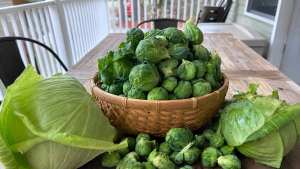
This guide explores what Brussels sprouts are, their potential nutritional benefits, easy ways to cook them, and everything you need to know about growing, caring for, harvesting, and storing them.
What Are Brussels Sprouts?
Brussels sprouts are leafy green vegetables that develop as small edible buds along the stem of a tall plant. Each sprout resembles a tiny cabbage and usually measures around 1 to 2 inches across when mature.
The plant belongs to the cabbage family, Brassicaceae, and is closely related to broccoli, kale, cauliflower, and collard greens. Although the exact history of the vegetable is debated, Brussels sprouts are strongly associated with Belgium and are believed to have been cultivated in the Brussels region centuries ago.
Brussels sprouts are cool-season vegetables. They generally grow best when temperatures are mild to cool rather than extremely hot. In many regions, gardeners plant them for a fall or winter harvest because cooler weather can improve their flavor.
A mature Brussels sprouts plant can grow several feet tall and produce many individual sprouts along its main stalk. The lower sprouts typically develop first, followed by those higher up the plant.
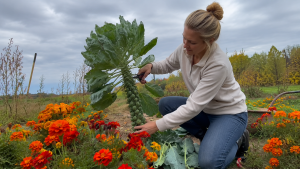
Brussels Sprouts Benefits and Nutrition
Brussels sprouts are a nutrient-dense vegetable that can contribute valuable vitamins, minerals, fiber, and plant compounds to a balanced diet.
Rich in Vitamin C
One of the notable nutritional benefits of Brussels sprouts is their vitamin C content. Vitamin C is an essential nutrient involved in normal immune function, collagen production, and antioxidant protection.
Including Brussels sprouts and other vegetables in a varied diet can help increase overall vitamin and mineral intake.
A Good Source of Vitamin K
Brussels sprouts also provide vitamin K, a nutrient involved in normal blood clotting and bone health. People who take blood-thinning medication that is affected by vitamin K should follow their healthcare provider’s advice about maintaining a consistent intake.
Provides Dietary Fiber
Brussels sprouts contain dietary fiber, which is important for normal digestive health. Fiber can help support regular bowel movements and contributes to a healthy overall eating pattern.
Eating fiber-rich vegetables regularly may also help make meals more satisfying, particularly when Brussels sprouts are paired with other whole foods such as whole grains and lean protein.
Contains Antioxidant Compounds
Like other cruciferous vegetables, Brussels sprouts contain various plant compounds, including glucosinolates. These compounds are being studied for their potential biological effects and may contribute to the health value of cruciferous vegetables.
However, it is important not to interpret these compounds as a treatment or cure for disease. The strongest approach is to enjoy Brussels sprouts as part of a varied diet rich in vegetables and other nutrient-dense foods.
Supports a Balanced Diet
Brussels sprouts are relatively low in calories while providing several important nutrients. This makes them an easy vegetable to include in meals when you want to increase your intake of nutrient-rich plant foods.
For the best overall nutritional balance, try preparing them with a variety of foods rather than relying on any single vegetable as a source of health benefits.
How to Cook Brussels Sprouts: Easy and Delicious Ways
The way you cook Brussels sprouts can make a big difference in their flavor and texture. Fresh sprouts should be firm, compact, and free from significant yellowing or damage.
Before cooking, rinse them under cool running water and remove any damaged outer leaves. Trim the stem end, but avoid cutting away too much of the base because this can cause the leaves to separate.
Roasted Brussels Sprouts
Roasting is one of the easiest and most popular ways to cook Brussels sprouts. Cut larger sprouts in half, toss them with a small amount of oil and seasonings, then roast until the outside is browned and the inside is tender.
The high heat helps create caramelized edges and a deeper, slightly sweet flavor.
Air-Fried Brussels Sprouts
An air fryer can produce crispy Brussels sprouts with relatively little cooking time. Halve the sprouts, season them, and cook them in a single layer when possible.
Shake or turn them during cooking so they brown more evenly.
Steamed Brussels Sprouts
Steaming is a simple option when you want tender Brussels sprouts without browning. It can be especially useful when preparing a quick vegetable side dish.
Avoid overcooking, as Brussels sprouts can become soft and develop a stronger sulfur-like smell when cooked for too long.
Sautéed Brussels Sprouts
Thinly sliced Brussels sprouts cook quickly in a skillet. You can sauté them with garlic, onions, herbs, or other vegetables for an easy weeknight side dish.
Boiled Brussels Sprouts
Boiling is another simple method, although cooking time should be kept relatively short to avoid an overly soft texture. Once tender, drain them well and season to taste.
For a simple meal, try pairing Brussels sprouts with roasted chicken, fish, beans, rice, or whole grains.
How to Grow Brussels Sprouts
Growing Brussels sprouts at home requires patience because they are relatively slow-growing compared with some other garden vegetables. The key is to give them a long growing season with cool temperatures.
Choose the Right Planting Time
Brussels sprouts are cool-season crops. In many climates, they are planted in summer for a fall or winter harvest. In areas with mild winters, they may continue producing during the colder months.
The best planting schedule depends on your local climate and the expected date of the first frost.
Start Seeds or Transplants
You can grow Brussels sprouts from seeds or purchase young transplants from a garden center.
Starting with transplants can save time, particularly in regions where the growing season is short. If growing from seed, start early enough to give the plants sufficient time to mature before hot weather or severe winter conditions arrive.
Choose a Sunny Location
Brussels sprouts generally grow best in a location that receives full sun. Aim for at least six hours of direct sunlight per day.
Good sunlight helps plants produce strong growth and develop healthy sprouts.
Prepare the Soil
Brussels sprouts prefer fertile, well-draining soil with plenty of organic matter. Before planting, improve poor soil with finished compost.
Avoid planting them in areas where water regularly collects, as consistently wet soil can contribute to root problems and other diseases.
Space Plants Properly
Give each plant enough room for air circulation and healthy growth. The exact spacing depends on the variety, but many Brussels sprouts plants need approximately 18 to 24 inches between plants.
Always check the seed packet or transplant label for variety-specific recommendations.
Common Brussels Sprouts Pests and Diseases
Brussels sprouts can be affected by many of the same pests and diseases that attack other members of the cabbage family.
Aphids
Aphids are small insects that feed on plant sap and may cluster on young leaves or growing points. Heavy infestations can cause distorted growth.
Regularly inspecting the undersides of leaves can help you identify aphids early.
Cabbage Worms and Loopers
Cabbage worms and cabbage loopers can chew holes in Brussels sprouts leaves. Check plants frequently and remove visible caterpillars when possible.
Floating row covers can also help protect young plants from certain insect pests.
Flea Beetles
Flea beetles are small insects that can create numerous tiny holes in leaves. Young plants are particularly vulnerable because severe leaf damage can slow their development.
Slugs and Snails
In damp gardens, slugs and snails may feed on young leaves. Removing hiding places around plants and keeping the garden area clean can help reduce their presence.
Clubroot
Clubroot is a soil-borne disease that affects plants in the cabbage family. Infected plants may show poor growth and abnormal roots.
Crop rotation is an important strategy for reducing disease pressure. Avoid repeatedly planting Brussels sprouts and other Brassica crops in the same location.
How to Care for Brussels Sprouts
Once your plants are established, consistent care can help them produce a strong harvest.
Water Regularly
Brussels sprouts need consistent moisture, especially during periods of active growth. Water deeply when the soil begins to dry rather than allowing plants to experience repeated cycles of severe dryness and excessive watering.
Applying mulch around the base of plants can help conserve soil moisture and reduce weed competition.
Fertilize as Needed
Brussels sprouts are relatively heavy feeders. Starting with fertile soil rich in organic matter can provide a good foundation.
Depending on soil conditions, a balanced vegetable fertilizer may be useful during the growing season. Avoid excessive nitrogen, however, because too much can encourage leafy growth at the expense of good sprout development.
Control Weeds
Weeds compete with Brussels sprouts for water, nutrients, and sunlight. Remove weeds carefully around the plants, especially while they are young.
A layer of organic mulch can help suppress weeds and maintain more consistent soil moisture.
Remove Damaged Leaves
Remove severely damaged or diseased leaves when appropriate. This can improve air circulation and help keep the growing area cleaner.
However, avoid removing large numbers of healthy leaves because the plant needs them for photosynthesis and continued growth.
Top the Plant
Some gardeners remove the growing tip of the Brussels sprouts plant late in the season. This practice, sometimes called topping, may help the plant focus energy on developing existing sprouts.
Timing can vary by climate and variety, so it is best used as an optional technique rather than a requirement for every garden.
When and How to Harvest Brussels Sprouts
Brussels sprouts are usually ready to harvest when the individual sprouts are firm, compact, and reach a useful size.
The lower sprouts on the stalk generally mature first. You can harvest them individually as they become ready rather than waiting for every sprout on the plant to reach the same size.
To harvest, twist or cut the sprouts from the stalk. Remove any loose or damaged outer leaves before preparing them for storage or cooking.
Cool weather can improve the flavor of Brussels sprouts, and some gardeners find that the plants develop a sweeter taste after exposure to light frost. However, severe freezing conditions can damage plants, so the expected weather should always be considered.
If the plant has reached maturity but some sprouts are still small, you can continue harvesting over time as they develop.
How to Store Brussels Sprouts
Fresh Brussels sprouts are best stored in the refrigerator. Keep them unwashed until you are ready to prepare them, as excess moisture can encourage spoilage.
Place fresh sprouts in a breathable bag or container in the refrigerator. Under suitable conditions, they can remain fresh for several days and sometimes longer, depending on their freshness when harvested.
For longer storage, Brussels sprouts can be frozen. A common approach is to blanch them briefly in boiling water, cool them rapidly in ice water, drain thoroughly, and then freeze them in airtight freezer-safe packaging.
Cooked Brussels sprouts should be refrigerated promptly in a covered container and eaten within a few days.
Brussels Sprouts Growing Tips for a Better Harvest
Growing Brussels sprouts successfully is largely about timing and consistency.
First, choose a variety suited to your local climate. Since Brussels sprouts require a relatively long growing period, selecting an appropriate variety can make a significant difference.
Second, plant at the right time. Avoid starting the crop during the hottest part of the growing season when possible. Cool weather is generally more favorable for producing quality sprouts.
Third, keep the soil consistently moist but well drained. Sudden changes in soil moisture can stress plants and affect growth.
Finally, inspect your plants regularly. Catching aphids, caterpillars, or leaf damage early is much easier than dealing with a severe infestation later.
Crop rotation is also useful. Because Brussels sprouts belong to the Brassica family, avoid planting them repeatedly in the same soil where cabbage, broccoli, cauliflower, or other related crops have recently grown.
Frequently Asked Questions About Brussels Sprouts
Are Brussels sprouts easy to grow?
Brussels sprouts are considered moderately easy to grow, but they require patience because they have a relatively long growing season. The right planting time and cool weather are especially important.
How long does it take to grow Brussels sprouts?
Depending on the variety and growing conditions, Brussels sprouts can take several months from planting to harvest. Always check the maturity information provided with your specific seed variety.
What month should I plant Brussels sprouts?
The best month depends on your climate. In many regions, gardeners start Brussels sprouts in summer for a fall harvest. In mild climates, planting schedules may be different.
Do Brussels sprouts need full sun?
Yes. Brussels sprouts generally grow best with full sun and fertile, well-draining soil. Providing sufficient sunlight helps support healthy plant growth.
How often should I water Brussels sprouts?
Water when the soil begins to dry, keeping moisture relatively consistent throughout the growing season. The exact frequency depends on temperature, rainfall, soil type, and container size.
Why are my Brussels sprouts not forming?
Poor sprout development can be caused by excessive heat, insufficient growing time, inadequate nutrients, overcrowding, or other growing conditions. Brussels sprouts need a long season and generally perform best when temperatures are cool.
What pests eat Brussels sprouts?
Common pests include aphids, cabbage worms, cabbage loopers, flea beetles, slugs, and snails. Regular inspection can help identify problems before they become severe.
How do you know when Brussels sprouts are ready to harvest?
Look for sprouts that are firm, compact, and well formed. The lower sprouts usually mature first, so you can harvest them individually as they reach the desired size.
How long do Brussels sprouts last in the refrigerator?
Fresh Brussels sprouts can generally be stored in the refrigerator for several days and potentially longer when they are very fresh and stored properly. Check for changes in appearance, smell, and texture before using them.
Conclusion
Brussels sprouts are versatile cool-season vegetables that can be enjoyed both in the kitchen and in the home garden. Their compact, cabbage-like sprouts provide vitamin C, vitamin K, dietary fiber, and other nutrients that can contribute to a balanced diet.
In the kitchen, roasting, air-frying, steaming, and sautéing are simple ways to bring out their flavor. In the garden, success depends largely on choosing the right planting time, providing full sun and fertile soil, maintaining consistent moisture, and protecting plants from common pests and diseases.
With patience and regular care, growing Brussels sprouts can be a rewarding experience. Whether you buy them fresh at the market or harvest them from your own garden, these small green vegetables are a nutritious and versatile addition to many meals.
References
- U.S. Department of Agriculture, Agricultural Research Service. FoodData Central. Brussels sprouts, raw.
- National Institutes of Health, Office of Dietary Supplements. Vitamin C Fact Sheet for Consumers.
- National Institutes of Health, Office of Dietary Supplements. Vitamin K Fact Sheet for Consumers.
- University of Minnesota Extension. Growing Brussels sprouts in home gardens.
-
University of Illinois Extension. Brussels sprouts and other cole crops: growing and pest management information.