A fruit tree can look healthy, grow plenty of leaves, and still leave you wondering why there is no fruit. This is a common frustration for backyard gardeners, especially when a tree seems to be growing well but produces few or no flowers or fruit.
The good news is that a non-producing fruit tree usually has a reason. Age, pollination, sunlight, pruning, weather, watering, nutrition, and pests can all affect fruit production. Finding the underlying problem is the first step toward getting your tree back on track.
The Tree May Still Be Too Young
One of the simplest explanations is age.
Many fruit trees need several years before they produce a meaningful crop. A young tree may spend its first years developing roots, branches, and foliage rather than producing a large amount of fruit.
Trees grown from seed can take considerably longer to fruit than grafted nursery trees. Even when a young tree produces a few flowers, it may not yet have enough energy to support a substantial harvest.
If your tree is otherwise healthy, patience may be the best solution.
Not Enough Sunlight
Fruit trees generally need plenty of sunlight to flower and produce fruit.
If your tree is shaded by a house, fence, larger trees, or other structures, it may grow but produce poorly. Dense shade can reduce flowering and limit the tree’s ability to produce and store energy.
Look at the tree throughout the day and consider how much direct sunlight reaches the leaves.
If possible, choose a planting location with good exposure when establishing a new fruit tree. For an existing tree, removing a competing branch or nearby vegetation may improve light without requiring major changes.
Poor Pollination
Pollination is another major reason fruit trees fail to produce.
Some fruit trees are self-fertile, while others produce much better crops when another compatible variety is nearby. Bees and other pollinating insects also play an important role because flowers need to receive pollen at the right time.
Plum trees are a good example. Depending on the variety, a plum tree may benefit from another compatible plum variety flowering at the same time.
If your tree produces lots of flowers but very little fruit, pollination should be one of the first things you investigate.
The Weather Affected Flowering
Sometimes the problem isn’t your gardening.
Cold weather during flowering can damage blossoms and reduce fruit set. Strong winds, heavy rain, or unusual weather during bloom can also interfere with pollinating insects.
This is particularly frustrating because the tree may look perfectly healthy afterward.
If your tree normally produces fruit but suddenly has a poor crop following an unusual spring, weather may be the main explanation.
There may not be much you can do after the damage has occurred. Instead, focus on maintaining good tree health so it can recover and produce again during a more favorable season.
Too Much Nitrogen
Nitrogen encourages leafy growth. That sounds helpful, but too much nitrogen can sometimes encourage the tree to produce lots of leaves and shoots instead of focusing on flowers and fruit.
A common sign is a tree with vigorous green growth but little flowering.
Before adding more fertilizer, consider whether the tree actually needs it. A soil test can provide more useful information than guessing which nutrient is missing.
Avoid repeatedly applying high-nitrogen fertilizer simply because the tree isn’t producing fruit.
Incorrect Pruning
Pruning can help keep a fruit tree healthy, but excessive or poorly timed pruning can reduce fruit production.
Some fruit trees produce fruit on older wood, while others fruit more readily on newer growth. Removing too many fruiting branches can therefore reduce the next harvest.
Heavy pruning can also stimulate vigorous vegetative growth.
Before pruning, learn where your particular type of fruit tree produces flowers and fruit. The correct pruning method depends on the species, variety, age, and growth habit.
Watering Problems
Both too little and too much water can affect fruit production.
During periods of drought, a fruit tree may struggle to support flowers and developing fruit. On the other hand, constantly wet soil can damage roots and reduce their ability to take up oxygen.
Young trees generally need closer attention to watering because their root systems are still developing.
Water deeply when needed rather than relying only on frequent, shallow watering. Mulching the surrounding soil can also help maintain more consistent moisture.
Just keep mulch away from direct contact with the trunk.
Pests and Diseases
Pests and diseases can interfere with flowering, fruit development, and overall tree health.
Watch for symptoms such as:
- Damaged or distorted leaves
- Wilting shoots
- Spots on leaves
- Unusual growth
- Flowers dropping prematurely
- Small fruits falling before maturity
- Visible insects or insect damage
A tree under constant pest or disease pressure may have fewer resources available for fruit production.
Instead of immediately reaching for a pesticide, identify the problem first. Different pests require different approaches, and unnecessary treatments can also affect beneficial insects.
The Tree Is Producing Flowers but Dropping Fruit
This situation is different from a tree that never flowers.
If flowers appear but small fruits develop and then fall, several factors may be involved. Poor pollination, unfavorable weather, water stress, nutrient problems, or natural fruit thinning can all play a role.
Some fruit trees naturally drop part of their young fruit because they cannot support every developing fruit.
If the tree is consistently dropping most of its fruit, however, it is worth looking more closely at watering, nutrition, pollination, and pest problems.
Root Problems Can Affect Fruit Production
Healthy roots are essential for a productive tree.
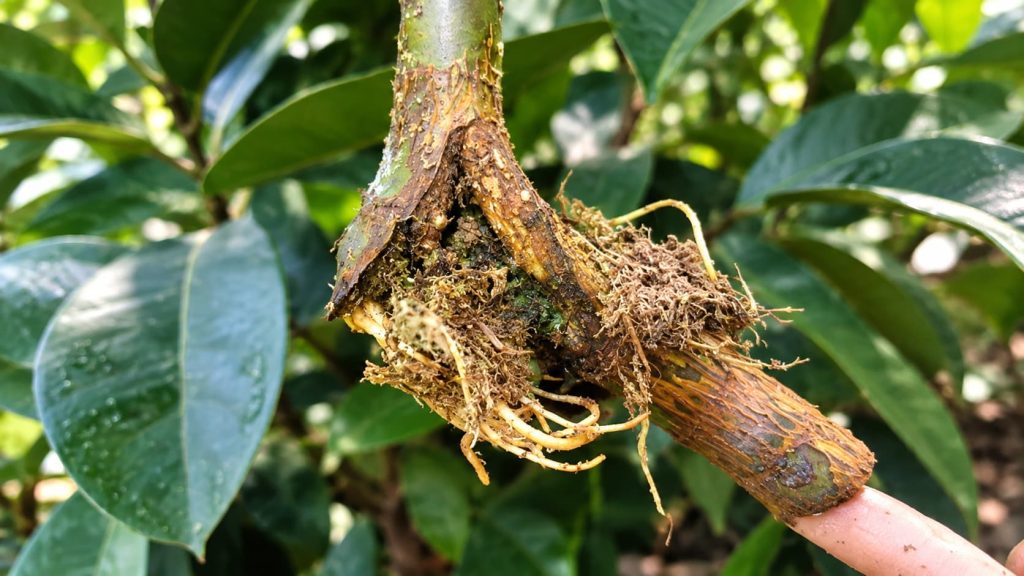
Poor drainage, compacted soil, root damage, or competition from grass and nearby plants can limit root growth. The tree may still produce leaves while struggling to support flowers and fruit.
Keep the area around the tree reasonably free from aggressive competition, particularly when the tree is young.
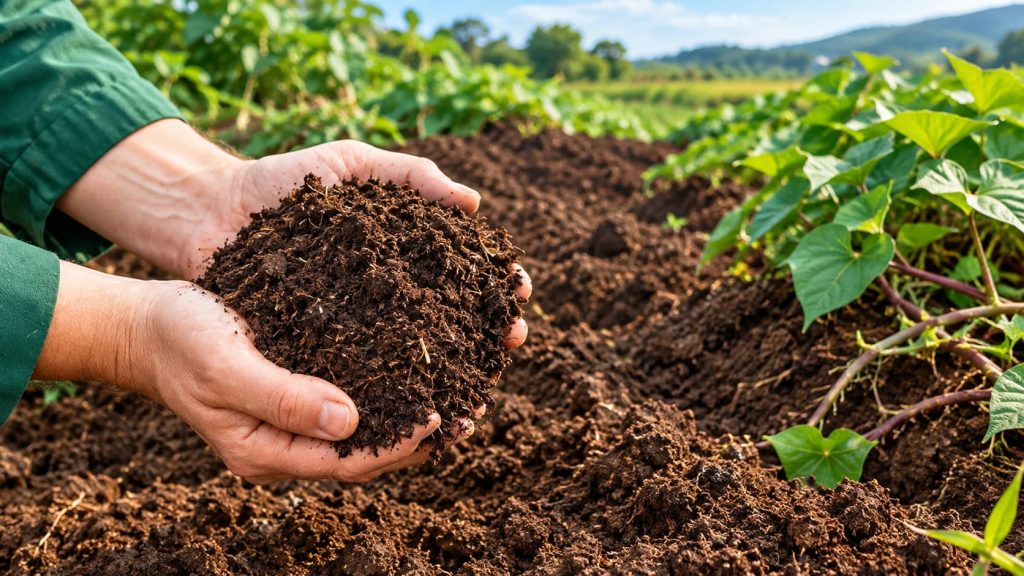
Improving soil structure and drainage can be more beneficial than simply adding fertilizer.
Plum Tree Problems to Watch For
If you are specifically growing plums, several of these issues can explain poor fruit production.
A plum tree may fail to produce because it is too young, lacks a suitable pollination partner, receives insufficient sunlight, experiences poor weather during flowering, or has problems with pests and disease.
Some plum varieties also have specific pollination requirements, so check the characteristics of your variety before planting another tree.
For a closer look at the fruit itself and how plum trees fit into a backyard garden, you can also explore our guide to plum tree problems.
How to Encourage Better Fruit Production
Once you identify the likely problem, focus on the basics:
- Give the tree adequate sunlight.
- Maintain consistent soil moisture.
- Avoid excessive nitrogen fertilizer.
- Prune according to the tree’s fruiting habit.
- Check whether a pollination partner is needed.
- Monitor regularly for pests and diseases.
- Protect young trees from unnecessary competition.
- Give young trees enough time to mature.
You don’t need to change everything at once. Start with the most obvious problem and observe how the tree responds.
Final Thoughts
When a fruit tree isn’t producing, there is usually an underlying reason. A young tree may simply need more time, while a mature tree may be affected by poor pollination, inadequate sunlight, incorrect pruning, weather, watering, nutrition, or pests.
The best approach is to look at the whole growing environment rather than assuming the tree simply needs more fertilizer.
With careful observation and consistent care, many backyard fruit trees can recover and eventually reward you with a much better harvest.