Plums are a familiar fruit for many gardeners, and growing a plum tree at home can be surprisingly rewarding. With the right variety, plenty of sunlight, and well-drained soil, a plum tree can grow into a productive backyard fruit tree.
From choosing the right planting spot to knowing when the fruit is ready to pick, a few simple steps can make growing plums much easier. This guide covers everything you need to know about growing plums, eating plums, harvesting plums, and storing fresh plums.
What Is a Plum?
A plum is the fruit produced by trees in the Prunus genus, which also includes peaches, apricots, cherries, and nectarines. Plums are usually small to medium-sized fruits with a single hard pit in the center.
Depending on the variety, the skin may be red, purple, green, yellow, or a combination of different colors. The flesh can also range from yellow and green to reddish-purple.
Plum trees are generally small to medium-sized deciduous trees. When planted in suitable conditions, they can live for many years and produce fruit season after season.
There are many different types of plums. Some varieties grow particularly well in areas with cold winters, while others are better suited to regions with milder winters. This is why choosing a variety that matches your local climate is one of the most important decisions when planting a plum tree.
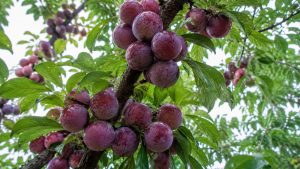
What Does a Plum Taste Like?
The flavor of a plum depends heavily on the variety and how ripe the fruit is.
An unripe plum is usually firm, crisp, and noticeably tart. As the fruit ripens, the flesh becomes softer and juicier, while the sweetness becomes more noticeable.
Some varieties are naturally very sweet, while others have a stronger balance of sweet and tart flavors. This is one reason it is difficult to judge a plum variety by tasting a fruit that has not fully ripened.
A ripe plum usually has a pleasant fragrance and gives slightly when gently pressed. Avoid squeezing the fruit too hard because ripe plums bruise easily.
If you grow your own tree, learning the typical color, texture, and flavor of your particular variety is one of the easiest ways to recognize the right harvest time.
How to Eat a Plum
The easiest way to eat a plum is to wash the fruit, cut it lengthwise around the pit, and separate the two halves.
When the fruit is ripe, the skin is edible, so there is usually no need to peel it. Simply remove the pit and enjoy the flesh.
Fresh plums can also be sliced and added to fruit salads, yogurt, oatmeal, or desserts. Their sweet-tart flavor makes them especially useful in recipes where you want a little acidity along with sweetness.
If you have a large harvest, plums can be used to make jam, sauces, baked desserts, pies, and other homemade recipes.
Slightly tart plums can work particularly well in cooking because their acidity adds balance to sweeter ingredients.
Always remove the hard pit before eating. The pit is not considered an edible part of the fruit.
How to Grow a Plum Tree
Growing a plum tree is fairly simple once you get the basics right. In my experience, the biggest difference comes from choosing the right spot before planting. A good location can save you plenty of work later.
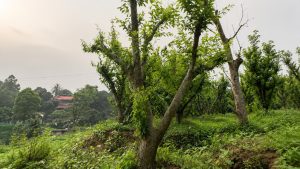
Choose a Sunny Spot
Plum trees need plenty of sunlight, so look for a place that gets direct sun for most of the day. Avoid areas shaded by large trees, buildings, or fences. Give the tree some room, too. That small nursery tree will eventually have a much wider canopy.
Prepare the Soil
Good drainage is more important than having perfect soil. If water sits in the planting area after rain, I would fix the drainage before planting.
You can mix some well-rotted compost into poor or compacted soil, but there is no need to completely rebuild your garden soil.
Plant the Tree
Choose a healthy nursery tree with a strong trunk and no obvious damage. Dig a hole wider than the root ball and place the tree at about the same depth as it was growing in its container.
After planting, water it thoroughly and add a layer of mulch around the root zone. Keep the mulch a few inches away from the trunk.
Water and Fertilize
Young plum trees need regular water while their roots become established. Once the tree is settled, water according to the weather and soil rather than following a strict schedule.
As for fertilizer, more is not always better. If the tree is growing well, avoid overfeeding it. A balanced fruit-tree fertilizer used according to the label is usually enough.
How Long Does It Take for a Plum Tree to Produce Fruit?
This is one of the most important questions to consider before planting a plum tree.
A grafted plum tree or established nursery tree typically begins producing fruit in about 2–4 years after planting. Some trees may produce a small crop earlier, but the first few harvests are often smaller than those from a mature tree.
If you grow a plum tree from seed, the waiting period is usually much longer. It can take 4–6 years or longer before the tree begins producing fruit.
There is another important difference. A tree grown from seed may not produce fruit that is exactly like the fruit from the parent tree. This is why gardeners who want predictable fruit quality often choose grafted trees from a reputable nursery.
Once the tree flowers and the blossoms are successfully pollinated, the developing fruit usually needs around 3–4 months to grow and reach harvest maturity, depending on the variety and growing conditions.
So, if your main goal is to harvest plums as soon as reasonably possible, starting with a healthy grafted tree is generally more practical than growing one from a pit.

When and How to Harvest Plums
Plums should be harvested when the fruit has reached the characteristic size and color of the variety.
Color alone is not always enough because different plum varieties ripen to different colors. Some turn deep red or purple, while others remain green or yellow even when fully ripe.
Check the fruit for several signs. A ripe plum usually develops its mature color, develops a pleasant fragrance, and begins to soften slightly.
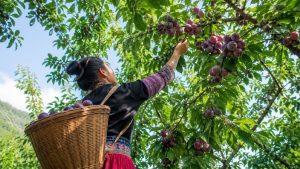
When harvesting, handle the fruit gently. Avoid pulling or twisting too aggressively because this can damage the fruit or the branch.
If you want plums to keep longer, you can harvest some fruit when it has reached the appropriate stage of maturity rather than waiting until every plum becomes very soft on the tree.
Harvesting over several days may also be practical because plums on the same tree do not always ripen at exactly the same time.
How to Store Plums
Unripe plums can be kept at room temperature away from direct sunlight. They will continue to ripen over the next few days.
Once the fruit reaches the desired level of ripeness, move it to the refrigerator. Cold temperatures slow the ripening process and can help extend its usable life.
Before storing plums, check each fruit and remove any that are badly bruised, cracked, or showing signs of spoilage.
One simple tip is to avoid washing plums before long-term refrigerator storage. Keeping the fruit dry can help reduce the risk of moisture-related spoilage. Wash the fruit just before eating instead.
If you have more plums than you can eat fresh, you can also remove the pits and freeze the fruit or turn it into jam and other preserved foods.
Practical Tips for Growing Plum Trees
Do not choose a planting location simply because there is an empty space. Watch how much sunlight the area receives throughout the day. A sunny location is usually much more valuable for a plum tree than a convenient but heavily shaded spot.
Check the soil before planting. If water remains around the roots for too long after rain, solve the drainage problem first. Healthy roots are the foundation of a healthy tree.
Do not follow a rigid watering schedule. Check the soil and consider recent rainfall and weather conditions before watering. A tree may need very different amounts of water during a hot, dry summer compared with a rainy period.
Avoid excessive fertilizer. Rapid vegetative growth does not necessarily mean a larger fruit crop. A balanced, healthy tree is more important than simply making the tree grow as quickly as possible.
Prune with a purpose. Remove dead, damaged, weak, or poorly positioned branches to improve the structure and airflow of the canopy. There is no need to remove large amounts of healthy growth just to make the tree look a certain way.
Pay attention during flowering. If a tree produces plenty of flowers but very few plums afterward, pollination, weather conditions, or variety compatibility may be worth investigating.
Be patient during the first few years. A grafted plum tree generally needs about 2–4 years to begin producing fruit. Do not constantly change your care routine simply because a young tree has not produced a large crop yet.
Conclusion
Plums are rewarding fruit trees to grow at home, especially when you have a sunny location, well-drained soil, and a variety suited to your climate.
A healthy grafted plum tree typically begins producing fruit in about 2–4 years, while a tree grown from seed may take 4–6 years or longer. Once the tree flowers and fruit successfully develops, plums generally need around 3–4 months to reach harvest maturity.
For the best results, focus on the basics: choose the right variety, plant it in a sunny location, provide good drainage, water according to actual conditions, and prune when necessary.
When the fruit begins to ripen, pay attention to its color, fragrance, and texture rather than relying on color alone. With proper harvesting and storage, you can enjoy fresh plums for longer and make the most of your harvest.
Frequently Asked Questions
How long does a plum tree take to produce fruit?
A grafted plum tree or established nursery tree typically begins producing fruit in 2–4 years. A plum tree grown from seed may take 4–6 years or longer.
How long does it take for plums to ripen after flowering?
Depending on the variety and growing conditions, plums generally take about 3–4 months after flowering and successful fruit set to reach harvest maturity.
What does a plum taste like?
Plums can taste sweet, tart, or a combination of both. Ripe plums are usually juicy, softer, and more fragrant than unripe fruit.
How do you know when a plum is ripe?
Look for the mature color associated with the variety, a pleasant fruity fragrance, and slight softness when gently pressed. Color alone is not always a reliable indicator.
Can you grow a plum tree from a pit?
Yes. However, a tree grown from seed usually takes 4–6 years or longer to produce fruit, and the fruit may not be identical to the parent tree.
Does a plum tree need full sun?
Yes. Plum trees generally perform best in a location with plenty of direct sunlight. A sunny planting site can support healthier growth, flowering, and fruit production.
How long do fresh plums last in the refrigerator?
Fully ripe plums can generally keep for about 1–2 weeks in the refrigerator, depending on their ripeness and storage conditions. Very soft or damaged fruit should be used sooner.