Have you ever noticed your plant’s leaves slowly turning yellow and wondered what went wrong?
If you are asking, “Why are my plant leaves turning yellow?”, you are not alone. Yellow leaves are one of the most common problems gardeners and houseplant owners experience. Sometimes, a yellow leaf is completely normal and simply means the leaf has reached the end of its natural life. In other cases, yellow leaves can be a sign that your plant is struggling with watering, light, soil, pests, or disease.
The good news is that yellow leaves do not always mean your plant is dying. By looking closely at the leaves, soil, and growing conditions, you can often identify the cause and take steps to help your plant recover.
In this guide, we will explore 12 common reasons why plant leaves turn yellow, how to identify each problem, and what you can do to keep your plants healthy and green.
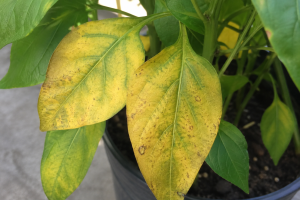
1. Overwatering
One of the most common reasons plant leaves turn yellow is overwatering.
Many people assume that giving a plant plenty of water is always good. However, too much water can cause serious problems for plant roots.
When soil stays wet for too long, there may not be enough air around the roots. Over time, the roots can become damaged, making it difficult for the plant to absorb water and nutrients properly.
As a result, the leaves may turn yellow.
Signs of overwatering may include:
- Yellow leaves
- Soft or drooping leaves
- Soil that stays wet for a long time
- A musty smell from the soil
- Slow growth
- Root problems
The lower leaves may turn yellow first, although this depends on the plant.
How to fix overwatering
Check the soil before watering again.
If the soil is still wet several inches below the surface, your plant may not need more water yet.
Make sure the container has drainage holes so excess water can escape.
If the soil is extremely wet and the plant continues to decline, you may need to inspect the roots. Remove damaged or rotting roots if appropriate and repot the plant in fresh, well-draining soil.
Remember that different plants have different watering needs. A cactus and a tropical houseplant should not be watered on the same schedule.
2. Underwatering
Although overwatering is common, underwatering can also cause yellow leaves.
When a plant does not receive enough water, it cannot maintain normal growth. The leaves may become dry, crispy, wilted, and eventually yellow or brown.
You may notice that the soil has pulled away from the edges of the pot or feels extremely dry.
Some plants recover quickly after being watered, while others may suffer lasting damage if they have been severely dehydrated.
How to fix underwatering
Check the soil regularly and water when the plant’s growing medium reaches the appropriate level of dryness.
If the soil is extremely dry, water slowly and thoroughly so moisture can reach the entire root zone.
Avoid suddenly flooding a severely dry plant with a large amount of water if the soil has become difficult to absorb moisture. Water gradually and allow the soil to absorb it.
The correct watering schedule depends on the plant, pot size, soil, temperature, humidity, and season.
3. Poor Drainage
Sometimes the problem is not how often you water but how quickly the soil drains.
A plant may receive the correct amount of water, but if the soil is heavy and compacted, water can remain around the roots for too long.
Poor drainage can lead to root stress and yellow leaves.
This is particularly common when plants are grown in containers without drainage holes or in heavy soil that holds excessive moisture.
How to improve drainage
Use a container with drainage holes.
Choose a growing medium appropriate for the type of plant you are growing.
For container plants, avoid using heavy garden soil unless it is specifically suitable for the plant and container conditions.
If water remains on the surface for a long time, consider improving the soil structure or repotting the plant into a better-draining growing medium.
4. Not Enough Light
Plants need light to produce energy through photosynthesis.
If your plant is growing in a location that is too dark, its growth may slow down and its leaves may begin to turn yellow.
This can happen with indoor plants placed far from windows or outdoor plants growing in excessive shade.
Other signs of insufficient light may include:
- Slow growth
- Long, weak stems
- Small new leaves
- Leaves that become pale
- Plants leaning toward a light source
How to fix low light
Move the plant to a brighter location if its species can tolerate more light.
However, avoid moving a plant suddenly from deep shade into intense direct sunlight. The leaves may become scorched.
Instead, increase light gradually when appropriate.
If natural light is limited, a suitable grow light may help.
Always research the specific light requirements of your plant. Some plants prefer bright indirect light, while others can tolerate direct sun.
5. Too Much Direct Sunlight
Too much sunlight can also cause leaf discoloration.
Some plants are adapted to bright sunlight, while others prefer filtered or indirect light.
When a shade-loving plant is exposed to intense sunlight, its leaves may develop pale, yellow, or brown areas.
You may also notice signs of sun damage, such as dry patches or scorched edges.
How to fix excessive sunlight
If your plant is sensitive to strong sunlight, move it to a location with filtered light or provide some shade during the hottest part of the day.
For indoor plants, a sheer curtain can help reduce intense sunlight through a bright window.
Outdoor plants may benefit from partial shade depending on their specific requirements.
6. Nutrient Deficiency
Plants need nutrients to grow healthy leaves and stems.
If the soil lacks certain nutrients, leaves may turn yellow.
Nitrogen deficiency is one possible cause, especially when older leaves become pale or yellow while newer growth remains relatively green.
Other nutrient deficiencies can cause different patterns of yellowing.
Because nutrient symptoms can look similar to problems caused by watering or pests, it is important not to immediately assume that fertilizer is the solution.
How to fix nutrient problems
Consider testing your soil if you are growing plants outdoors or in a garden bed.
For container plants, use a suitable potting mix and fertilizer according to the plant’s needs.
Avoid applying excessive fertilizer. Too much fertilizer can damage roots and create additional problems.
If you decide to fertilize, follow the product instructions carefully.
Healthy plants generally benefit from balanced nutrition, but fertilizer should not be used to compensate for poor watering, inadequate light, or damaged roots.
7. Natural Aging
Not every yellow leaf is a sign of a serious problem.
Plants naturally lose older leaves as they grow.
If only one or two of the oldest leaves are turning yellow while the rest of the plant looks healthy, natural aging may be the reason.
This is especially common with lower leaves.
The plant may simply be redirecting resources from older leaves to newer growth.
What should you do?
If the leaf is completely yellow or dead, you can remove it using clean scissors.
Do not panic if your plant occasionally loses an old leaf.
Instead, look at the overall health of the plant.
If new growth looks healthy and only a few old leaves are yellowing, the plant may be perfectly fine.
8. Temperature Stress
Plants can react to sudden changes in temperature.
Cold drafts, hot air from heating systems, air-conditioning vents, or sudden temperature changes can stress some plants.
Indoor plants placed next to windows may also experience temperature fluctuations, particularly during cold nights.
Temperature stress can cause leaves to turn yellow, droop, or develop damaged areas.
How to fix temperature stress
Keep sensitive plants away from strong drafts and heating or cooling vents.
Avoid placing tropical plants in very cold locations.
Try to maintain stable growing conditions that match the needs of the plant.
If you move a plant outdoors, gradually introduce it to the new environment when appropriate.
9. Root Damage or Root Rot
Healthy roots are essential for healthy leaves.
If roots become damaged, the plant may struggle to absorb water and nutrients.
Root rot is often associated with excessive moisture and poor drainage.
A plant with serious root problems may develop yellow leaves, weak growth, and wilting.
Interestingly, an overwatered plant can sometimes look like it needs more water because damaged roots cannot absorb moisture effectively.
How to check the roots
If you suspect root problems, carefully remove the plant from its container and inspect the root system.
Healthy roots are generally firm, while severely damaged roots may be soft or deteriorated.
If root damage is present, address the cause of the problem.
This may involve improving drainage, reducing excessive watering, removing damaged roots, and repotting into fresh growing medium.
10. Pests Are Feeding on the Plant
Small insects can also cause yellow leaves.
Common plant pests include aphids, spider mites, whiteflies, and scale insects.
These pests feed on plant tissues and may weaken the plant over time.
You may notice:
- Tiny insects
- Sticky residue
- Fine webbing
- Distorted leaves
- Pale spots
- Yellowing leaves
Inspect both the upper and lower surfaces of leaves.
Some pests are extremely small and difficult to see without looking closely.
How to deal with pests
If you discover pests, identify them before choosing a treatment.
For a minor infestation, physically removing affected pests or washing the plant with water may help in some cases.
Other infestations may require a suitable treatment designed for the specific pest.
Always follow product instructions carefully and make sure the treatment is appropriate for the plant.
Early detection is often easier to manage than a severe infestation.
11. Disease or Fungal Problems
Certain plant diseases can cause yellow leaves.
Fungal and bacterial problems may appear alongside other symptoms, including spots, lesions, unusual growth, or wilting.
Disease problems are more likely when plants experience poor air circulation, excessive moisture, or prolonged wet conditions.
How to reduce disease problems
Avoid watering the leaves unnecessarily when the plant is prone to fungal issues.
Provide adequate air circulation.
Remove severely affected plant material when appropriate.
Clean gardening tools regularly, especially when working with multiple plants.
If you suspect a serious disease, identify the specific problem before treating it.
Different diseases require different management strategies.
12. The Plant Is Experiencing Transplant Shock
If your plant’s leaves started turning yellow shortly after repotting or transplanting, it may be experiencing transplant shock.
Moving a plant can disturb its roots and temporarily interrupt normal growth.
Some plants recover quickly, while others need more time.
How to help a stressed plant
Place the plant in a suitable environment with appropriate light.
Maintain consistent watering without overwatering.
Avoid adding excessive fertilizer immediately after transplanting unless recommended for the specific plant.
Give the plant time to recover.
New growth is often a good sign that the plant is adjusting successfully.
How to Tell Why Your Plant Leaves Are Turning Yellow
When trying to determine why your plant leaves are turning yellow, look at the pattern rather than focusing on the yellow color alone.
Ask yourself:
Are only the oldest leaves yellow?
Natural aging may be responsible.
Are many leaves yellow and the soil constantly wet?
Overwatering or poor drainage could be the problem.
Are the leaves dry and crispy?
Underwatering or excessive heat may be involved.
Are the leaves pale and the plant growing slowly?
Insufficient light or nutrient problems may be possible.
Are there spots, webbing, or tiny insects?
Pests or disease may be affecting the plant.
Did the yellowing begin after repotting?
Transplant shock could be the cause.
Looking at the entire plant will give you a better answer than looking at a single yellow leaf.
Should You Remove Yellow Leaves?
Whether you should remove yellow leaves depends on the cause.
If a leaf is completely yellow or dead, removing it can improve the appearance of the plant and reduce the amount of decaying material.
However, do not remove every yellow leaf immediately without trying to understand why it became yellow.
If the underlying problem is overwatering, poor light, pests, or disease, removing the leaves alone will not solve the issue.
Fix the cause first.
Use clean scissors or pruning shears when removing damaged leaves, especially if disease is suspected.
How to Prevent Plant Leaves From Turning Yellow
Prevention starts with understanding your plant’s needs.
Before bringing a new plant home, learn about its preferred:
- Light level
- Watering frequency
- Soil type
- Temperature
- Humidity
- Fertilizer needs
- Pot size
Avoid using the same care routine for every plant.
A succulent may prefer to dry out between waterings, while a tropical plant may need more consistent moisture.
Check the soil before watering instead of following a strict calendar.
Make sure containers have adequate drainage.
Inspect plants regularly for pests.
Remove dead leaves and clean up fallen plant material.
By paying attention to your plants early, you can often identify problems before they become severe.
Final Thoughts
If you are wondering “Why are my plant leaves turning yellow?”, remember that yellow leaves can have many different causes.
Overwatering, underwatering, poor drainage, insufficient light, excessive sunlight, nutrient deficiencies, temperature stress, pests, diseases, and natural aging can all play a role.
The key is to look at the complete picture.
Check the soil. Examine the roots if necessary. Look closely for pests. Consider the amount of light the plant receives and think about any recent changes in its environment.
Do not automatically assume that yellow leaves mean your plant is dying.
In many cases, the plant can recover once the underlying problem is corrected.
Start with the simplest possibilities, make changes carefully, and give your plant time to respond.
With the right care and attention, you can often stop the problem from getting worse and help your plant return to healthy, vigorous growth.