If you are wondering how do you get rid of mites on plants, the good news is that you can often control a mild or moderate infestation with simple methods. The key is to identify the problem early, physically remove as many mites as possible, improve growing conditions, and use appropriate treatments when necessary.
In this guide, you will learn how to identify plant mites, what causes infestations, how to get rid of mites naturally, and how to prevent them from coming back.
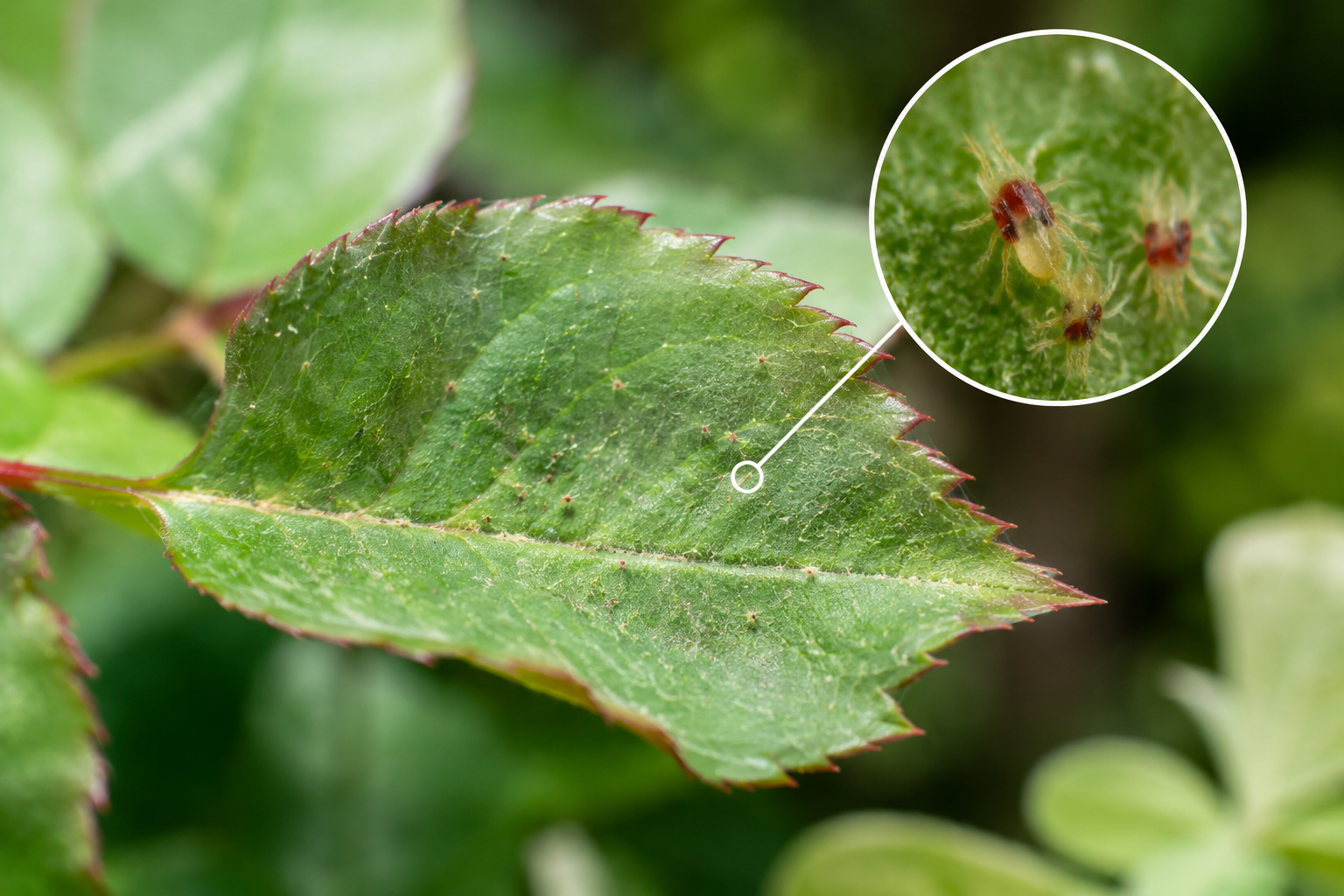
Table of Contents
- What Are Plant Mites?
- How Do You Know If Your Plant Has Mites?
- 1. Isolate the Infested Plant
- 2. Wash the Plant With Water
- 3. Remove Heavily Infested Leaves
- 4. Increase Humidity Around Houseplants
- 5. Use Insecticidal Soap
- 6. Try Horticultural Oil
- 7. Consider Neem Oil Carefully
- 8. Use Beneficial Predatory Mites
- 9. Improve Plant Health
- 10. Repeat Treatment and Monitor the Plant
- What Is the Fastest Way to Get Rid of Mites on Plants?
- Can You Get Rid of Plant Mites Naturally?
- Why Do Plants Get Mites?
- How to Prevent Mites on Plants
- Do Mites Come Back After Treatment?
- Frequently Asked Questions About Mites on Plants
- What kills mites on plants instantly?
- Can I spray plants with water to get rid of mites?
- Are spider mites the same as regular mites?
- Can a plant recover from a mite infestation?
- How often should I check my plants for mites?
- Can mites spread from one plant to another?
- Should I throw away a plant with mites?
- What is the best way to prevent spider mites?
- Final Thoughts
What Are Plant Mites?
Plant mites are extremely small members of the arachnid family. Unlike insects, mites have eight legs when they are adults. Several types can feed on plants, but spider mites are among the most common pests found on houseplants and garden plants.
Spider mites are especially common during hot, dry weather. They feed by piercing plant cells and sucking out their contents. This feeding activity can weaken plants and cause visible damage to leaves.
Because mites are so tiny, you may not always see the pests themselves. Instead, you may notice the symptoms they cause.
Common signs of mites on plants include:
- Small yellow or pale spots on leaves
- Leaves that look dusty or speckled
- Yellowing or browning leaves
- Curling or drying foliage
- Fine webbing between leaves and stems
- Slow or stunted plant growth
- Premature leaf drop
- Overall plant weakness
If you notice these symptoms, inspect the undersides of leaves carefully. Mites often hide in protected areas where they are difficult to see.
How Do You Know If Your Plant Has Mites?
Before treating your plant, it is important to make sure mites are actually the problem. Many plant pests can cause similar symptoms.
One simple method is the white paper test.
Place a sheet of white paper underneath a suspicious leaf. Gently tap or shake the leaf over the paper. Wait a few seconds and look closely at the surface.
If you see tiny moving dots, you may have mites. You can use a magnifying glass to get a better look.
Another common clue is fine webbing. Spider mites may create delicate webs around leaves, stems, and growing points. This webbing can become more noticeable as the infestation becomes severe.
However, not every plant with yellow leaves has mites. Yellowing can also be caused by overwatering, underwatering, poor nutrition, root problems, or disease. That is why checking the leaves carefully is important before choosing a treatment.
1. Isolate the Infested Plant
If the affected plant is indoors or in a greenhouse, the first step is to move it away from healthy plants.
Mites can spread from one plant to another, especially when leaves touch or plants are placed close together.
Move the affected plant to a separate location and inspect nearby plants for signs of infestation.
Isolation is particularly important for:
- Houseplants
- Seedlings
- Indoor herbs
- Greenhouse plants
- Plants grown in containers
Continue checking the isolated plant regularly. Even after treatment, mites may remain on the plant or return from eggs that have already been laid.
2. Wash the Plant With Water
One of the simplest ways to reduce a mite infestation is to wash the plant thoroughly with water.
For outdoor plants, a strong but gentle spray from a garden hose can help knock mites from leaves and stems.
For indoor plants, you can place smaller plants in a sink, bathtub, or shower and gently rinse the foliage.
Pay special attention to the undersides of leaves, because this is where mites often hide.
Washing the plant can:
- Remove many mites
- Reduce webbing
- Remove dust from leaves
- Improve plant health
- Make later treatments more effective
Avoid using a water stream so strong that it damages delicate leaves or breaks stems.
For serious infestations, washing should be repeated regularly rather than treated as a one-time solution.
3. Remove Heavily Infested Leaves
If only a few leaves are severely damaged, pruning them can help reduce the pest population.
Use clean pruning scissors to remove leaves that are heavily covered with mites or webbing. Place the removed plant material in a sealed bag and dispose of it properly.
Do not leave heavily infested leaves beside the plant or in the garden.
However, avoid removing too much healthy foliage at once. Plants need leaves to produce energy through photosynthesis. Removing excessive amounts of foliage can cause additional stress.
A good approach is to remove the worst-affected leaves while treating the remaining plant.
4. Increase Humidity Around Houseplants
Spider mites often become a bigger problem in hot and dry conditions. Increasing humidity around indoor plants can make the environment less favorable for them.
You can improve humidity by:
- Using a humidifier
- Grouping plants together
- Placing plants in naturally humid rooms
- Keeping plants away from dry heating vents
- Improving general indoor growing conditions
However, avoid creating constantly wet foliage or poor air circulation. Excess moisture on leaves can increase the risk of certain fungal problems.
The goal is to provide a healthy environment for the plant rather than simply making the air as humid as possible.
For outdoor plants, regular watering of the soil can help prevent drought stress. Healthy, well-watered plants are generally better able to tolerate pest pressure than severely stressed plants.
5. Use Insecticidal Soap
Insecticidal soap can be an effective option for controlling mites on many plants.
These products work primarily by contacting soft-bodied pests. Because they generally have limited residual activity, thorough coverage is important.
When using insecticidal soap:
- Read the product label carefully.
- Test the product on a small part of the plant first.
- Follow the recommended dilution rate.
- Spray the tops and undersides of leaves.
- Repeat treatment according to the label if necessary.
Do not assume that more product will work better. Using a stronger concentration than recommended can damage plant foliage.
Some plants are sensitive to soap sprays, especially plants with delicate or hairy leaves. Testing a small area first is a good precaution.
6. Try Horticultural Oil
Horticultural oils can be another option for managing certain mite problems.
These oils work by coating and suffocating pests when applied correctly. They can be useful as part of an integrated pest management strategy.
Before applying horticultural oil, carefully read the label. Some plants may be sensitive to oil treatments, especially during hot weather.
Avoid spraying when temperatures are excessively high, and do not apply products in ways that conflict with the product label.
It is also important to make sure the plant is not already severely stressed by drought or extreme heat.
Always follow the instructions provided with the specific product you are using.
7. Consider Neem Oil Carefully
Neem oil is commonly discussed as a natural option for plant pest control. Some gardeners use neem-based products as part of their pest management routine.
However, neem oil is not a universal solution, and results can vary depending on the pest, plant, and product.
If you decide to use a neem-based product, follow the label instructions carefully. Test it on a small area first to check whether the plant reacts negatively.
Avoid applying treatments during intense heat or direct, strong sunlight if the product label warns against it. Some sprays can cause leaf damage under certain conditions.
The most important thing is to use the product according to its instructions rather than assuming that a natural product is automatically safe for every plant.
8. Use Beneficial Predatory Mites
For gardeners who prefer biological pest control, beneficial predatory mites can be an interesting option.
Predatory mites feed on pest mites and can help keep populations under control. They are particularly useful in greenhouses and controlled growing environments.
Unlike chemical pesticides, beneficial organisms can become part of a natural pest management strategy.
However, successful biological control depends on several factors, including:
- The type of pest mite
- The type of predatory mite
- Temperature
- Humidity
- Availability of food
- The severity of the infestation
If you are considering beneficial mites, identify the pest first and choose a predator appropriate for that specific situation.
Avoid using broad-spectrum pesticides that could kill beneficial organisms if you are relying on biological control.
9. Improve Plant Health
A stressed plant is often more vulnerable to pest problems. While improving plant health will not instantly eliminate mites, it can help your plants tolerate damage and recover.
Make sure your plants receive:
- Appropriate sunlight
- Proper watering
- Suitable soil
- Adequate nutrients
- Good air circulation
- Enough growing space
Avoid both overwatering and underwatering. Different plants have different water requirements, so always consider the needs of the specific species.
Also avoid excessive fertilizer use. Overfertilizing can cause weak or unbalanced growth and may create additional problems.
Healthy gardening practices are an important part of long-term pest management.
10. Repeat Treatment and Monitor the Plant
One of the biggest mistakes gardeners make is treating a mite infestation once and assuming the problem is gone.
Mites can reproduce quickly, and eggs may remain on the plant after the initial treatment.
For this reason, regular monitoring is essential.
After treating an infested plant:
- Inspect leaves every few days.
- Check the undersides of leaves.
- Look for new webbing.
- Watch for fresh leaf damage.
- Monitor nearby plants.
- Repeat treatments according to product instructions.
The goal is not simply to kill visible mites. You need to reduce the population enough that the plant can recover and new generations do not rebuild the infestation.
What Is the Fastest Way to Get Rid of Mites on Plants?
If you need to act quickly, start with a combination of physical removal and appropriate treatment.
First, isolate the affected plant if it is indoors. Then wash the foliage thoroughly with water, paying close attention to the undersides of leaves.
Remove severely damaged leaves if necessary. After the plant has dried, consider using an appropriate miticide, insecticidal soap, or horticultural oil according to the product label.
Continue monitoring the plant and repeat treatment when the label recommends it.
The fastest solution is usually not a single product. A combination of cleaning, environmental improvements, monitoring, and repeated treatment is often more effective.
Can You Get Rid of Plant Mites Naturally?
Yes, many gardeners successfully manage small mite infestations using non-chemical approaches.
Natural methods can include:
- Washing plants with water
- Removing heavily infested leaves
- Improving humidity
- Reducing plant stress
- Introducing beneficial predatory mites
- Regularly inspecting plants
However, “natural” does not always mean “instant” or “completely harmless.” Some natural products can still damage plants if used incorrectly.
For severe infestations, an integrated approach may be more effective than relying on one natural method alone.
Why Do Plants Get Mites?
Several environmental conditions can encourage mite infestations.
The most common factors include:
Hot Weather
Mites often thrive in warm conditions. During periods of hot weather, their populations can increase rapidly.
Dry Conditions
Dry air and drought stress can make plants more vulnerable to spider mites.
Dusty Leaves
Dust can accumulate on foliage, particularly on indoor plants or plants near roads and construction areas. Regularly cleaning leaves can help improve overall plant health.
Plant Stress
Plants suffering from poor watering, inadequate light, or other environmental problems may be more vulnerable to pest damage.
Crowded Plants
Plants placed too close together can make it easier for pests to spread.
Understanding why mites appeared in the first place is an important part of preventing future infestations.
How to Prevent Mites on Plants
Prevention is easier than dealing with a large infestation.
Inspect new plants carefully before bringing them into your home or greenhouse. New plants can sometimes carry pests that are difficult to notice at first.
Quarantine new houseplants for a period of time and monitor them before placing them near your existing collection.
You should also regularly inspect:
- New leaves
- Leaf undersides
- Growing tips
- Stems
- Areas between touching plants
Keep plants properly watered and avoid unnecessary stress.
For indoor plants, occasionally cleaning the leaves can remove dust and allow you to spot problems earlier.
For outdoor gardens, encourage beneficial insects and avoid unnecessary use of broad-spectrum pesticides. A healthy garden ecosystem can help naturally regulate many pest populations.
Do Mites Come Back After Treatment?
Unfortunately, they can.
A mite infestation may return if:
- Eggs survive the initial treatment
- Nearby plants remain infested
- The environmental conditions still favor mites
- The plant is not monitored after treatment
- The original treatment did not reach hidden mites
This is why repeated inspection is so important.
If mites continue to return, look beyond the individual plant. Check neighboring plants, surrounding vegetation, and the growing conditions.
You may need to adjust watering, improve plant care, or use a different management strategy.
Frequently Asked Questions About Mites on Plants
What kills mites on plants instantly?
There is no single treatment that guarantees instant elimination of every mite and egg. Washing the plant can quickly remove many pests, while appropriate miticides or contact products may provide faster control when used correctly. Repeated monitoring is usually necessary.
Can I spray plants with water to get rid of mites?
Yes. A thorough spray of water can physically remove many mites and reduce webbing. Make sure to spray the undersides of leaves where mites often hide.
Are spider mites the same as regular mites?
Spider mites are a type of plant-feeding mite. They are among the most common mites that affect garden and houseplants.
Can a plant recover from a mite infestation?
Yes. Many plants can recover if the infestation is controlled early. New healthy growth may appear once the pest population is reduced and the plant receives proper care.
How often should I check my plants for mites?
During periods of hot and dry weather, inspect susceptible plants regularly. For indoor plants, checking the leaves at least once a week can help you identify problems early.
Can mites spread from one plant to another?
Yes. Mites can spread between nearby plants, especially when foliage touches. Infested plants should be separated from healthy plants whenever possible.
Should I throw away a plant with mites?
Not necessarily. Mild and moderate infestations can often be managed. However, if a plant is extremely damaged, repeatedly reinfested, or difficult to treat, removing it may help protect nearby plants.
What is the best way to prevent spider mites?
The best prevention strategy is to maintain healthy growing conditions, avoid prolonged drought stress, inspect plants regularly, clean indoor plant foliage, and isolate new plants before introducing them to your collection.
Final Thoughts
If you are asking how do you get rid of mites on plants, the most important thing is to act early. Mites are tiny, but they can multiply quickly when conditions are favorable.
Start by confirming that mites are the cause of the damage. Isolate affected indoor plants, wash the foliage, remove severely damaged leaves, and improve the plant’s growing conditions. For larger infestations, consider an appropriate treatment such as insecticidal soap, horticultural oil, or another product specifically labeled for the pest and plant you are treating.
Remember that successful mite control usually requires patience and repeated monitoring. Keep checking the undersides of leaves and watch for new signs of damage.
With early detection, consistent care, and the right management strategy, you can reduce mite populations and give your plants a much better chance to recover and grow healthy again.