Knowing when to harvest potatoes is important if you want firm, flavorful tubers with good storage quality. Unlike vegetables that grow above the soil, potatoes develop underground, so it can be difficult to tell exactly when they are ready.
The right harvest time depends on the potato variety, planting date, growing conditions, and whether you want small new potatoes or fully mature potatoes for storage. By watching the plant’s foliage and checking the tubers carefully, you can determine when it is time to dig.
How Long Do Potatoes Take to Mature?
Potatoes generally take around 60 to 120 days to mature, depending on the variety. Early-season varieties can be ready sooner, while late-season varieties may need several months.
The seed potato package should provide an estimated maturity period. However, this is only a guideline because temperature, soil moisture, sunlight, and general growing conditions can affect development.
Instead of relying only on the number of days since planting, look for physical signs that the crop is approaching maturity.
Watch for Yellowing Potato Leaves
One of the clearest signs that mature potatoes are approaching harvest is the natural decline of the foliage.
As the plant finishes its growing cycle, the leaves may turn yellow, wilt, and eventually die back. This indicates that the plant is no longer putting as much energy into producing new foliage and is approaching the end of its season.
For mature storage potatoes, wait until most of the foliage has died back before digging.
However, yellow or dying leaves can also result from disease, drought, pests, or other problems. If the foliage declines unusually early, inspect the plants rather than assuming the potatoes are mature.
Check the Potato Skins
Another useful sign is the firmness of the potato skin.
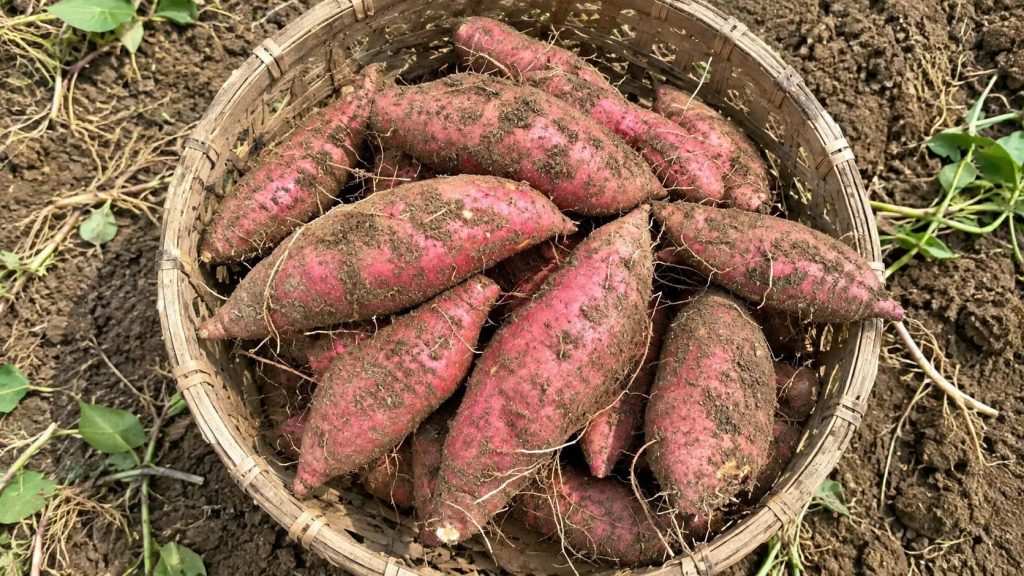
Young potatoes have thin, delicate skins that can rub off easily when handled. Mature potatoes develop firmer skins that provide better protection during storage.
To check, gently dig around one plant and examine a tuber. Rub the surface lightly with your finger.
If the skin easily slips away, the potatoes may benefit from additional time in the soil. If the skin remains firmly attached, the crop is closer to full maturity.
Harvesting New Potatoes
You do not have to wait until the plant completely dies back to harvest potatoes.
New potatoes are young tubers harvested before they reach full maturity. They usually have thin skins, a moist texture, and a fresh flavor.
You can carefully dig around the base of a plant and remove a few small potatoes while leaving the rest underground.
This is a useful approach when you want fresh potatoes for immediate cooking rather than a crop intended for long-term storage.
When to Harvest Potatoes for Storage
If your goal is to store potatoes for several weeks or months, allow the crop to mature fully.
Wait until the foliage has died back and the skins have become firm. Mature potatoes are less likely to lose quality during handling and storage.
After the plants have died back, you can usually leave the tubers in the ground for a short period if soil conditions remain suitable. However, do not leave them exposed to freezing temperatures.
Harvest before the ground freezes deeply or prolonged wet conditions create a risk of rot.
How to Dig Potatoes Without Damaging Them
Potatoes can be easily cut or bruised during harvesting, especially when using a shovel or garden fork.
Start by inserting your tool into the soil away from the main plant. Lift the soil gently and work toward the plant rather than digging directly through the center of the potato hill.
Once the soil is loosened, use your hands to search for remaining tubers.
Take your time. A careful harvest reduces cuts and bruises that can shorten storage life.
Harvest Potatoes on a Dry Day
If possible, harvest potatoes when the soil is relatively dry.
Wet soil can cling to the tubers and make harvesting messy. Excess moisture can also increase the risk of storage problems if the potatoes are put away before they have dried properly.
After digging, allow the potatoes to dry in a cool, shaded, well-ventilated location. Avoid leaving them exposed to direct sunlight for long periods because potatoes can develop green coloration when exposed to light.
What to Do After Harvesting
Handle freshly harvested potatoes gently. Avoid washing them immediately if you plan to store them.
Instead, brush off loose soil once the tubers have dried.
Sort the harvest and separate potatoes that are cut, badly bruised, or damaged. These should be used first rather than placed into long-term storage.
Only store firm, healthy potatoes that are free from obvious damage or signs of decay.
Curing Potatoes Before Storage
Mature potatoes intended for storage can benefit from a curing period.
Place them in a dark, cool, and well-ventilated area for roughly one to two weeks. During this time, minor surface damage can heal and the skins can become more durable.
Avoid washing the potatoes during curing.
Once cured, gently remove excess soil and move the healthy tubers into their long-term storage location.
Best Conditions for Storing Potatoes
Potatoes should generally be stored in a cool, dark, well-ventilated environment.
Light exposure can cause potatoes to develop green areas. Green potatoes can contain elevated levels of naturally occurring glycoalkaloids, so potatoes with substantial greening should not be eaten.
Do not store potatoes in a sealed plastic bag without ventilation. Good airflow helps reduce moisture buildup.
Check stored potatoes regularly and remove any that become soft, rotten, or otherwise spoiled.
Signs You Harvested Potatoes Too Early
Potatoes harvested very early may have thin skins that rub off easily. They may also contain less dry matter than fully mature storage potatoes.
This is not necessarily a problem if you intended to harvest new potatoes. Young potatoes are perfectly suited to immediate cooking.
However, if you intended to store them for a long period, allowing the crop to mature further generally produces better storage quality.
Signs You Waited Too Long
Leaving potatoes underground for too long can create other problems.
Prolonged exposure to wet soil can encourage rot, while pests may damage tubers. In regions with freezing weather, potatoes left in frozen soil can suffer damage.
Very mature potatoes can also become more difficult to harvest without accidentally cutting them.
Keep an eye on weather forecasts as harvest approaches, particularly if cold or heavy rain is expected.
Harvesting Different Potato Varieties
Not every potato variety matures at the same time.
Early varieties can be harvested relatively soon after planting. Mid-season varieties require more time, while late-season potatoes are often grown for larger tubers and longer storage.
The expected maturity period on the seed packet is therefore an important starting point.
If you grow several varieties, label each planting area so you know which potatoes should be ready first.
Final Thoughts
The best time to harvest potatoes depends on what you want from the crop. For new potatoes, you can dig them while the plants are still green and flowering or shortly afterward. For mature potatoes intended for storage, wait until the foliage has died back and the skins have become firm.
Harvest carefully, avoid damaging the tubers, and allow mature potatoes to cure before storage. Paying attention to these simple signs can help you enjoy a healthier and longer-lasting harvest.
For more useful tips for growing potatoes, including planting, varieties, growing conditions, and basic care, explore the complete potato guide.