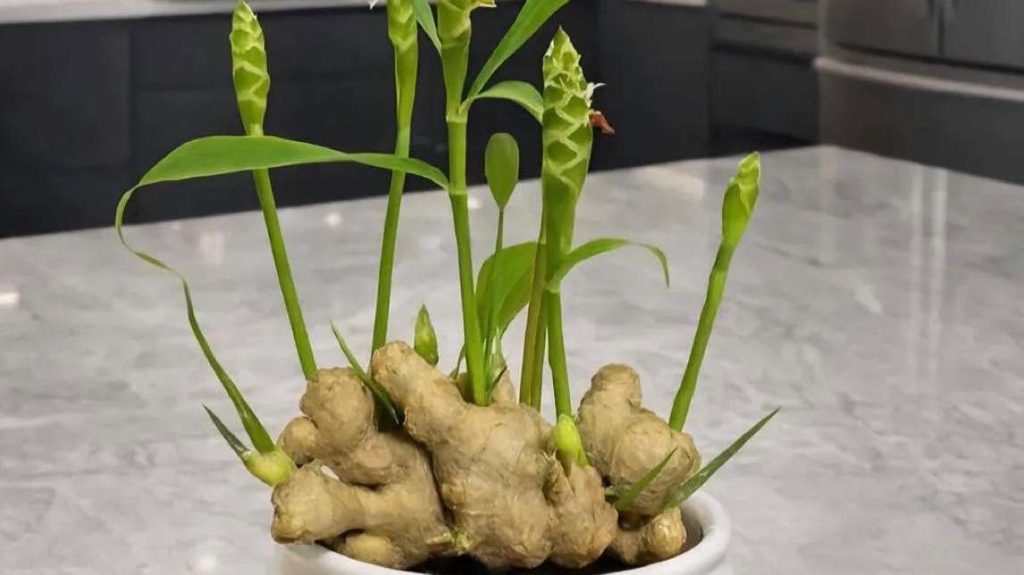
Knowing how to store potatoes properly can help keep them firm, flavorful, and useful for longer. Freshly harvested potatoes and store-bought potatoes both need the right combination of temperature, darkness, humidity, and airflow.
Potatoes are relatively easy to store, but placing them in the wrong location can cause sprouting, softening, mold, or green discoloration. With a few simple habits, you can extend their usable life and reduce food waste.
1. Choose Good Potatoes for Storage
Start with healthy potatoes. Firm, mature potatoes with intact skins are generally better suited for storage than potatoes that are cut, bruised, or damaged.
Before storing, sort through your harvest and separate any potatoes with:
- Deep cuts
- Soft spots
- Mold
- Signs of rot
- Severe bruising
- Green discoloration
Use damaged potatoes first rather than mixing them with healthy ones.
If you are storing potatoes from your garden, allow mature potatoes to cure before putting them into long-term storage.
2. Cure Freshly Harvested Potatoes
Freshly dug potatoes can have delicate skins and small areas of surface damage. Curing allows the skin to become tougher and helps minor surface injuries heal.
Place freshly harvested potatoes in a dark, cool, well-ventilated location for approximately one to two weeks.
Avoid washing them during this period. Instead, allow excess soil to dry and gently brush it away later.
Do not expose potatoes to direct sunlight while curing because light can encourage green discoloration.
3. Keep Potatoes in the Dark
Darkness is one of the most important conditions for potato storage.
Exposure to light can cause potatoes to turn green. This happens because light promotes the production of chlorophyll and is associated with increased levels of naturally occurring glycoalkaloids.
For this reason, store potatoes in a dark cupboard, pantry, cellar, or another suitable storage area away from sunlight.
If using a transparent container, move it to a dark location rather than leaving it on a bright countertop.
4. Store Potatoes in a Cool Location
Potatoes generally keep best in a cool environment, but extremely cold temperatures are not ideal for ordinary household storage.
A cool pantry, basement, or suitable root-storage area can work well.
Avoid storing potatoes next to a heat source such as an oven, radiator, or appliance that produces significant warmth.
Warm conditions can encourage potatoes to sprout more quickly and may shorten their storage life.
5. Provide Good Airflow
Potatoes need ventilation during storage.
Avoid sealing them inside airtight containers or tightly closed plastic bags. Trapped moisture can encourage mold and decay.
Instead, use containers that allow air to circulate, such as:
- Paper bags
- Mesh bags
- Baskets
- Ventilated storage bins
- Cardboard boxes with airflow
Do not pile potatoes into extremely deep layers if your storage area has poor ventilation.
6. Avoid Excess Moisture
Moisture is another major concern when storing potatoes.
Wet potatoes can develop mold and rot more quickly. If you have washed potatoes, allow them to dry completely before storing them.
For garden potatoes, it is usually better to leave them unwashed during long-term storage and brush away excess soil once the surface is dry.
Check your storage area regularly for condensation or excessive humidity.
7. Do Not Store Potatoes in the Refrigerator
The refrigerator is usually not the best place for storing raw potatoes for everyday use.
Very cold temperatures can cause changes in the potato’s starches and may result in an undesirable taste or texture when cooked.
Instead, look for a cool, dark, dry, and well-ventilated location.
If your home does not have a suitable cool storage area, buy smaller quantities that you can use within a reasonable period.
8. Keep Potatoes Away From Onions
Potatoes and onions are both common pantry vegetables, but storing them together is generally not recommended.
Both release gases and moisture during storage, and keeping them together can contribute to faster deterioration.
Store potatoes and onions separately, ideally in different ventilated containers.
This simple habit can help both vegetables last longer.
9. Check Stored Potatoes Regularly
Do not simply put potatoes into storage and forget about them.
Check them every week or two for signs of:
- Sprouting
- Softening
- Mold
- Rot
- Green discoloration
- Excessive moisture
Remove damaged potatoes as soon as you find them. One rotting potato can create a moist environment that encourages problems in nearby tubers.
Using the oldest potatoes first is another simple way to reduce waste.
10. What About Sprouted Potatoes?
Potatoes naturally begin to sprout when stored for long periods or kept under unsuitable conditions.
A potato with a small amount of sprouting may still be usable if it remains firm and otherwise appears healthy. Remove the sprouts and any green areas before preparing it.
However, potatoes that are heavily sprouted, shriveled, green, or otherwise deteriorated are better discarded.
Never eat potatoes that taste unusually bitter or have substantial green discoloration.
11. Can Cooked Potatoes Be Stored?
Cooked potatoes should be handled differently from raw potatoes.
Allow cooked potatoes to cool appropriately, place them in a covered container, and refrigerate them promptly. Use refrigerated cooked potatoes within a few days for best quality.
Cooked potatoes can also be useful for preparing quick meals later in the week. They can be reheated, added to soups, turned into potato salad, or pan-fried until crisp.
12. Best Storage Location for Homegrown Potatoes
If you grow potatoes at home, a cool basement, cellar, or other dark storage area can be useful.
The ideal location should be:
- Dark
- Cool
- Well ventilated
- Free from excessive moisture
- Protected from freezing temperatures
A root cellar can provide excellent conditions when properly managed, but a suitable pantry may be enough for smaller quantities.
How Long Do Potatoes Last?
Storage life varies depending on the potato variety, maturity, storage conditions, and the condition of the tubers when stored.
Mature potatoes with firm skins generally keep longer than immature potatoes. Early varieties may also have a shorter storage life than varieties bred for long-term storage.
Rather than relying on an exact number of days, inspect your potatoes regularly and use them while they remain firm and healthy.
Final Thoughts
Proper storage can make a big difference in how long fresh potatoes remain usable. Start with healthy, mature potatoes, cure homegrown tubers before long-term storage, and keep them in a cool, dark, well-ventilated location.
Avoid excess moisture, direct light, extreme temperatures, and airtight containers. Checking your potatoes regularly also helps you catch sprouting or spoilage before it spreads.
Following these simple potato storage tips can help you keep your harvest fresh longer and get more value from every batch of potatoes.