Watermelon is easy to grow when it gets warmth, sunlight, fertile soil, and enough space. Good watering, pollination, and balanced feeding help the vines produce healthy fruit. From my experience, consistent care matters most for a productive crop. With the right conditions and harvest timing, you can enjoy watermelons that are juicy, crisp, and naturally sweet.

Where Does Watermelon Grow Best?
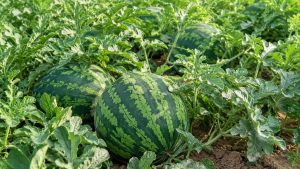
Watermelon grows best in a warm, sunny spot with fertile, well-drained soil and plenty of space for its vines.
Choose a location with:
- Full sun, ideally 8 hours a day
- Warm, well-drained soil
- Plenty of room for vines to spread
- Reliable access to water
- Protection from cold conditions
From my experience, sunlight is one of the most important factors for good fruit. I would rather grow fewer plants in full sun than crowd more vines into a partly shaded area.
Choosing the Right Watermelon Variety
Choosing the right variety makes growing watermelon much easier. For sweet, flavorful fruit, choose a variety suited to your climate and garden size.
Large varieties need plenty of space, while compact types work better in smaller gardens. If growing seedless watermelon, plant a compatible seeded variety nearby for pollination.
Also check the days to maturity, especially if your growing season is short

Choosing the Right Planting Location
Before planting, I spend more time preparing the location than digging the planting hole.
Watermelon roots do not perform well when they remain in constantly wet soil. Good drainage is essential.
If your garden has heavy clay soil, consider growing watermelon on raised rows or improving the soil structure with suitable organic matter. Sandy loam is particularly well suited to watermelon production because it drains well while still holding enough moisture for the plants.
Avoid planting in a low spot where rainwater collects.
I also avoid planting watermelon where the vines will have to compete heavily with grass or weeds. Young watermelon plants can grow quickly, but weeds can compete for water and nutrients before the vines become established.

How to Plant Watermelon
Watermelon should be planted after the danger of frost has passed and the soil has warmed.
Cold soil can slow germination and early growth, so there is usually little advantage in planting too early.
Direct sowing is simple. Plant the seeds roughly 1 inch deep and give each planting area plenty of room. After seedlings emerge, keep the strongest plant and remove weaker extras if several seeds were planted together.
When transplanting, handle the roots gently. Watermelon does not appreciate unnecessary root disturbance.
After planting, water thoroughly.
A layer of mulch around the plants can help reduce weeds and keep soil moisture more consistent. Keep the mulch slightly away from the plant stem.
How to Feed Watermelon for Better Fruit
Watermelon is a vigorous plant, and it needs adequate nutrition to produce strong vines and fruit.
Before planting, I prefer to prepare the soil with mature compost or other suitable organic matter rather than trying to correct everything later with large amounts of fertilizer.
Once the plants are growing strongly, a balanced fertilizer can be used according to the product label and the condition of the soil.
One mistake I would avoid is assuming that more fertilizer means more watermelons.
Too much nitrogen can push the plant toward excessive leafy growth instead of balanced fruit production. Good watermelon production is about giving the plant enough nutrition without constantly forcing soft, excessive growth.
If you can, a soil test is useful because it tells you what the garden actually needs rather than making you guess.
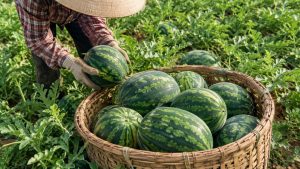
Helping Watermelon Produce More Fruit
If you want more fruit, start with pollination.
Watermelon produces separate male and female flowers on the same plant. Bees transfer pollen from male flowers to female flowers, allowing fruit to develop. Each female flower is receptive for a short period, so good pollinator activity is important.
This is why I like to keep the garden friendly to bees rather than trying to eliminate every insect.
Avoid unnecessary insecticide use during flowering, especially products that can harm pollinators.
If weather is cool, rainy, or windy, bee activity can decrease and fruit set may suffer.
Once several fruits begin developing, watch the plant carefully.
A vine can produce more young fruits than it can comfortably mature into excellent large melons. If a plant is carrying too many fruits, removing some of the weakest or poorly positioned young fruits can allow the remaining fruits to receive more of the plant’s resources.
I do not believe in aggressively pruning every flower or young fruit. The goal is simply to prevent an already stressed plant from trying to mature too many melons at once.

How to Grow Sweeter Watermelons
Getting a watermelon to grow large is not the same as getting it to taste sweet.
For better flavor, I focus on four things: sunlight, balanced nutrition, consistent watering, and allowing the fruit to mature fully on the vine.
Give the vines plenty of sunlight
Sunlight provides the energy the plant needs to grow and fill its fruit.
A watermelon planted where it receives strong direct sunlight throughout the day has a much better chance of developing good flavor than one growing under shade.
Keep moisture consistent
Do not let the plant repeatedly swing from very dry soil to heavily soaked soil.
Consistent moisture is especially important while the fruit is developing.
Avoid excessive nitrogen
A plant covered in huge leaves is not necessarily going to produce the sweetest watermelon.
Use fertilizer moderately and according to the needs of the soil and crop.
Be careful with watering near harvest
This is one of the practical details I pay close attention to.
As the watermelon approaches maturity, avoid suddenly giving it excessive amounts of water. Heavy irrigation or rainfall close to harvest can contribute to cracking and may dilute flavor.
Let the watermelon mature on the vine
Watermelon does not continue ripening after it is picked in the way some fruits do.
Harvesting too early is one of the easiest ways to end up with a large melon that looks good but lacks sweetness.
How Long Does Watermelon Take to Produce Fruit?
The exact time depends on the variety, temperature, planting method, and growing conditions.
Many watermelons require roughly 80 to 100 days from planting to harvest, although some varieties mature sooner and others take longer.
Warm weather generally speeds growth, while cool conditions slow the plant considerably.
Instead of counting days alone, I use the expected maturity date as a guide and then watch the fruit itself as harvest approaches.
How to Know When Watermelon
Watermelon can be tricky to judge, so look for several signs rather than relying only on the knocking test.
- The nearby tendril turns brown and dry.
- The rind becomes dull instead of shiny.
- The field spot turns creamy yellow.
- The fruit reaches its expected size.
- The rind feels firm and mature.
The yellow field spot is one of the easiest signs to check. Also consider the variety’s expected days to maturity before harvesting.
How to Harvest Watermelon
Harvest carefully because the fruit will not improve in sweetness after it has been removed from the vine.
Use clean, sharp garden shears or a knife to cut the stem, leaving a small section attached to the fruit.
Handle large watermelons carefully because dropping them can damage the flesh even when the rind appears intact.
Harvesting at full maturity is more important than trying to pick the largest possible fruit.
A slightly smaller watermelon harvested at the right stage can be much more enjoyable than a huge watermelon harvested too early.
How to Store Fresh Watermelon
Whole watermelons are best kept in a cool location until you are ready to cut them.
Once cut, refrigerate the pieces in a clean, covered container.
Cut watermelon should be kept cold and protected from contamination. If you have a large harvest, it is usually better to cut only what you plan to eat rather than cutting every melon at once.
Watermelon is at its best when chilled shortly before eating.
Common Watermelon Growing Mistakes
Planting Too Early
Cold soil can delay germination and weaken young plants.
Wait until the weather and soil are warm enough for active growth.
Not Giving the Vines Enough Space
Watermelon vines can spread surprisingly far.
Crowded plants compete for sunlight, water, and nutrients.
Overwatering
Constantly wet soil can damage roots and contribute to fruit problems.
Water deeply and adjust irrigation according to rainfall and soil moisture.
Letting the Plant Dry Out During Flowering
Water stress around flowering can reduce successful fruit set and lead to poorly developed fruit.
Using Too Much Nitrogen
Heavy nitrogen feeding can encourage excessive vine and leaf growth without producing the quality fruit you want.
Harvesting Too Early
This is perhaps the most frustrating mistake because the fruit can look perfectly large from the outside while still lacking good flavor.
Relying on One Ripeness Test
Do not depend only on knocking the watermelon.
Look at the tendril, field spot, rind appearance, fruit development, and expected maturity together.
Final Thoughts
Growing watermelon is simple when the basics are right: warm soil, full sun, good drainage, steady moisture, and balanced nutrition. For sweeter fruit, avoid excessive nitrogen and late-season watering, and let melons fully mature on the vine. With patience and consistent care, even a small garden can produce juicy, crisp, naturally sweet watermelons.
Frequently Asked Questions
How much sunlight does watermelon need?
Watermelon grows best in full sun. Aim for around 8 hours or more of direct sunlight when possible. Strong sunlight supports vigorous vine growth and fruit development.
How often should I water watermelon?
Water deeply and maintain fairly consistent soil moisture, adjusting for rainfall, temperature, and soil type. A common home-garden guideline is about 1 to 2 inches of water per week, but the actual requirement varies by conditions.
How can I make watermelon sweeter?
Give the plants plenty of sunlight, maintain consistent moisture during growth, avoid excessive nitrogen, and avoid excessive irrigation as the fruit approaches maturity. Most importantly, let the watermelon fully mature on the vine.
Why does my watermelon plant have flowers but no fruit?
The plant may not be receiving adequate pollination. Watermelon depends on bees and other pollinators to transfer pollen from male to female flowers. Cool, rainy, or windy weather can reduce pollinator activity.
How do I know when a watermelon is ripe?
Look for several signs together, including a dry brown tendril near the fruit, a duller rind, and a creamy yellow field spot where the melon touches the ground.
Does watermelon get sweeter after picking?
No. Watermelon should be harvested when mature because it does not continue developing sweetness after being removed from the vine.
Can I grow watermelon in a small garden?
Yes, but you need to plan for the vines. Choose a smaller variety or train the vines carefully where appropriate. If growing on a trellis, large fruits need strong support as they develop.