Pomelo is a rewarding citrus tree for warm-climate gardens, especially when planted in full sun and well-drained soil. From my experience growing fruit trees, the planting spot matters more than complicated techniques. Give the tree room, keep the roots healthy, and avoid overwatering. With steady care, a healthy pomelo can produce good fruit for many years.
I prefer simple methods: regular watering, moderate feeding, light pruning, and plenty of sunlight. A young tree needs time to build strong roots before carrying a heavy crop. Once established, pomelo is surprisingly easy to manage, and the thick-skinned fruit makes harvesting and storage fairly convenient for home gardeners.
What Is Pomelo?
Pomelo is a citrus fruit native to Southeast Asia and is considered the largest of the commonly cultivated citrus fruits. Its scientific name is Citrus maxima.

The fruit can become quite large, although size varies considerably between varieties. The rind is thick and may be green, yellow, or yellow-green when mature. Inside, the flesh can be white, pale yellow, pink, or reddish depending on the cultivar.
Pomelo should not be confused with grapefruit. Grapefruit is a different citrus fruit that developed from a hybrid involving pomelo. In American English, pomelo is the appropriate name for the traditional large citrus fruit known as bưởi in Vietnamese.
For gardeners, pomelo is especially interesting because mature trees can produce fruit for many years when planted in a suitable climate.
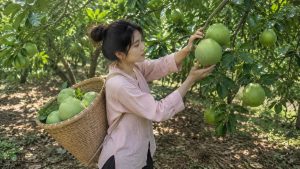
Where Does Pomelo Grow Best?
Pomelo is a warm-climate citrus tree. It performs best where summers are warm and the growing season is long.
The tree prefers:
- Full sun
- Warm temperatures
- Well-drained soil
- Protection from strong cold winds
- Regular moisture without waterlogging
- Plenty of room for root and canopy growth
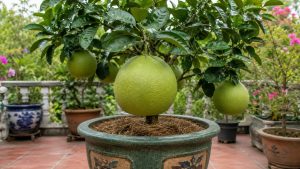
Pomelo trees do not like prolonged freezing temperatures. If you live in an area with cold winters, growing a pomelo tree in a large container can be more practical than planting it directly in the ground.
In warm regions of the United States, pomelo can be grown outdoors. Gardeners in colder areas may need to grow it in a container and move the tree to a protected location during cold weather.
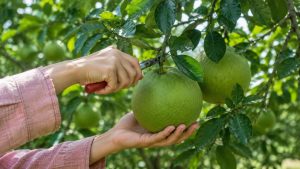
Choosing a Good Pomelo Tree
For earlier fruit, choose a healthy grafted or budded pomelo tree rather than growing from seed. Look for green leaves, a strong stem, healthy roots, and no obvious pests or disease. A small, healthy tree is often a better choice than a large, stressed nursery tree.
Choosing the Right Planting Location
Choose a sunny spot with 6 to 8 hours of direct sunlight daily and well-drained soil. Avoid low areas where water collects. Give the tree plenty of room because mature pomelo trees can grow much larger than young nursery plants.
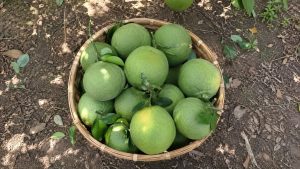
How to Plant Pomelo
The best planting time depends on the local climate, but planting during a mild period when the tree is not under extreme heat or cold stress usually makes establishment easier.
Dig a hole that is wider than the root ball but not unnecessarily deep.
Place the tree so the top of the root ball is level with or slightly above the surrounding soil. Avoid burying the trunk or graft union.
Backfill with the original soil and gently firm it around the roots. Water thoroughly after planting to remove large air pockets around the root system.
A layer of organic mulch can help conserve soil moisture, but keep mulch several inches away from the trunk.
This simple detail is often overlooked. Mulch touching the trunk can keep the bark constantly moist and create problems later.
Watering Pomelo Trees
Newly planted pomelo trees need more frequent watering while their roots are becoming established.
Instead of watering lightly every day, it is generally better to water deeply and allow the upper layer of soil to begin drying before watering again.
The exact schedule depends on:
- Temperature
- Rainfall
- Soil type
- Tree size
- Container or ground planting
- Time of year
Sandy soil usually dries faster than clay soil.
The most important thing is to avoid two extremes: allowing the tree to suffer from prolonged drought or keeping the soil permanently saturated.
A mature tree with a well-developed root system can tolerate short dry periods better than a newly planted tree, but consistent moisture is especially important during flowering, fruit development, and hot weather.
Feeding Pomelo for Strong Growth
Pomelo is a vigorous citrus tree and needs regular nutrition to produce healthy leaves and fruit.
Young trees need enough nutrients to establish their roots and build a strong canopy. Mature fruiting trees need continued nutrition to support flowering and fruit development.
A balanced citrus fertilizer can be used according to the product label. Organic matter can also improve soil structure, especially in poor soils.
Do not assume that more fertilizer means more fruit.
Overfertilizing can encourage excessive leafy growth while creating other nutrient problems. I prefer moderate, consistent feeding rather than giving a tree a large amount of fertilizer all at once.
If the leaves repeatedly show unusual yellowing or poor growth, look at the whole growing situation first. Poor drainage, root stress, inadequate sunlight, and watering problems can sometimes look like a fertilizer deficiency.
How to Prune Pomelo
Pomelo generally does not need aggressive pruning.
The main purpose of pruning is to maintain a healthy structure, remove damaged growth, and make harvesting easier.
Remove:
- Dead branches
- Broken branches
- Weak branches
- Branches growing inward through the canopy
- Suckers emerging from below the graft
- Very low growth that interferes with maintenance
Avoid cutting away large amounts of healthy foliage unnecessarily. Citrus leaves are the tree’s working solar panels, so removing too much canopy can reduce the tree’s ability to produce energy.
Young trees benefit from developing a strong framework of branches rather than being repeatedly cut into an artificial shape.
Helping Pomelo Trees Produce More Fruit
Good fruit production starts long before harvest.
A tree that receives enough sunlight, water, and nutrition is more likely to flower and hold fruit successfully.
One mistake I often see with fruit trees is trying to force production before the tree has developed enough structure. A young tree should first establish a strong root system and healthy branches.
Once the tree begins producing heavily, fruit thinning may sometimes be useful if there are more young fruits than the tree can reasonably support.
Thinning can help prevent excessive stress on small branches and may result in larger, better-developed fruit.
You do not need to remove every extra fruit. The goal is simply to prevent the tree from carrying an unreasonable crop.
How Long Does Pomelo Take to Produce Fruit?
The time to fruit depends heavily on how the tree was propagated.
A grafted or budded tree can generally produce fruit much sooner than a seed-grown tree.
Seed-grown pomelo trees may take several years to reach fruiting maturity. Even after flowering begins, fruit development takes additional time before the fruit is ready to harvest.
Do not judge a young pomelo tree too quickly.
A tree may spend its early years building roots and branches before putting significant energy into fruit production. Good long-term care is more important than trying to force an early crop.
How to Know When Pomelo Is Ready to Harvest
Pomelo can stay on the tree for some time after reaching maturity. Look for full fruit size, slightly yellowing skin, a pleasant fragrance, and fruit that feels heavy for its size. Since color varies by variety, the easiest test is to harvest one fruit and taste it. If it is juicy, sweet, and less tart, the rest are likely ready.
How to Eat and Use Pomelo

Pomelo is delicious eaten fresh, but it can also be used in a few simple dishes.
- Fresh pomelo: Peel the thick skin, remove the white pith and membranes, then eat the juicy segments chilled.
- Pomelo fruit salad: Mix pomelo with mango, pineapple, strawberries, or grapes. Add a little honey and lime juice.
- Pomelo yogurt: Add fresh pomelo segments to plain yogurt with honey and berries.
- Pomelo shrimp salad: Combine pomelo with cooked shrimp, cucumber, fresh herbs, and a light lime dressing.
- Pomelo smoothie: Blend pomelo with banana, pineapple, yogurt, and a little water or milk.
- Candied pomelo peel: The thick rind can be boiled to reduce bitterness and cooked with sugar to make a simple candied peel.
For most home gardeners, eating pomelo fresh is the easiest way to enjoy the fruit and appreciate its natural sweetness and refreshing flavor.

How to Store Fresh Pomelo
Keep whole pomelos in a cool, dry place away from direct sunlight. Their thick rind helps them store well. Once peeled, refrigerate the segments in a clean, covered container and keep them dry to reduce spoilage.
Common Growing Mistakes
You do not need complicated equipment to grow a productive pomelo tree. Most problems come from basic growing conditions.
Planting in Poorly Drained Soil
This is one of the biggest mistakes.
If the roots stay wet for too long, the tree may gradually weaken even though the soil appears rich.
Too Little Sunlight
A pomelo tree planted in heavy shade may survive but often produces weaker growth and fewer quality fruits.
Overwatering
More water is not always better. Water according to the soil and weather rather than following a rigid daily schedule.
Excessive Pruning
Removing too much healthy wood and foliage can weaken the tree and reduce its productive canopy.
Too Much Fertilizer
Heavy feeding can produce vigorous shoots without necessarily producing a better crop.
Ignoring the Root Area
The roots determine much of what happens above ground. Keep the soil healthy, avoid damaging the root zone, and do not pile mulch directly against the trunk.
Practical Tips From a Gardener
If I were planting a pomelo tree from scratch, I would focus on five things before worrying about anything complicated.
First, choose the sunniest practical location. A good location can save years of frustration.
Second, take drainage seriously. A healthy root system is more valuable than constantly adding fertilizer.
Third, water deeply rather than constantly sprinkling. Watch the soil and weather.
Fourth, prune with a purpose. Remove damaged or poorly positioned branches, but keep plenty of healthy foliage.
Finally, be patient. Pomelo is a long-lived fruit tree. The goal is not simply to get a few fruits as quickly as possible, but to build a tree that can produce reliably for many years.
Final Thoughts
Growing pomelo is a rewarding project for gardeners who have enough warmth, sunlight, and space. The tree does not require complicated equipment or constant attention. Good drainage, regular moisture, adequate nutrition, and sensible pruning are the foundation of healthy growth.
The most important lesson is to work with the tree rather than constantly trying to force it. Give a young pomelo time to establish strong roots and branches, protect the canopy, and harvest the fruit carefully when it reaches good eating maturity.
With steady care, a healthy pomelo tree can become both a productive fruit tree and a long-term feature of the garden.
Frequently Asked Questions
Is pomelo the same as grapefruit?
No. Pomelo and grapefruit are different citrus fruits. Pomelo (Citrus maxima) is the traditional large citrus commonly called bưởi in Vietnamese, while grapefruit is a separate citrus species with a distinctive tart and bitter flavor.
How much sunlight does a pomelo tree need?
Pomelo grows best in full sun. Aim for at least 6 to 8 hours of direct sunlight each day for strong growth and good fruit production.
Can you grow pomelo from seed?
Yes. Pomelo can be grown from seed, but seed-grown trees usually take longer to reach fruiting age and may not produce fruit identical to the parent tree. Grafted trees are generally preferable when fruit production is the main goal.
How often should you water a pomelo tree?
There is no single watering schedule that works for every garden. Check the soil and consider rainfall, temperature, and soil type. Newly planted trees need more frequent attention, while established trees can usually tolerate short dry periods.
When should pomelo be harvested?
Harvest timing depends on the variety and climate. Look for mature fruit size, changes in skin color, fragrance, and good flavor. When uncertain, harvest one fruit and taste it before picking the rest.
Can pomelo grow in a container?
Yes. A young pomelo can be grown in a large container, especially in regions where winter temperatures are too cold for outdoor planting. Container-grown trees need adequate sunlight, drainage, water, and periodic root and canopy management.