Pothos Plant is one of those houseplants that makes growing greenery feel simple. With heart-shaped leaves, trailing vines, and an easygoing nature, it fits nicely into homes, offices, and small spaces. It can grow in a hanging basket, trail from a shelf, or climb with support. If you are new to houseplants, this forgiving plant gives you plenty of room to learn.

What Is a Pothos Plant?
Pothos, scientifically known as Epipremnum aureum, is a tropical evergreen vine commonly grown as a houseplant. It is also called devil’s ivy and golden pothos. The plant is best known for its heart-shaped foliage and long trailing stems. Depending on the variety, the leaves can be solid green or have attractive yellow, white, or cream variegation.
How to Identify a Pothos Plant
Pothos is fairly easy to recognize once you know what to look for. The plant produces flexible vines that can trail several feet from a container or climb when given something to support them.
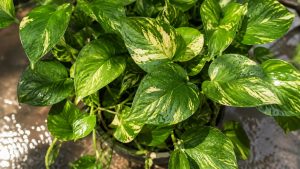
The leaves are usually heart-shaped, with a pointed tip and a slightly glossy surface. Their appearance varies between cultivars. Golden pothos, for example, has green leaves with irregular yellow markings, while some other varieties have stronger white or cream patterns.
The stems are green and flexible when young. As the plant develops, small nodes become visible along the stems. These nodes are important because they can produce new roots and shoots, making pothos particularly easy to propagate.
Another noticeable feature is its growth habit. Pothos naturally wants to spread, trail, or climb rather than form a compact upright plant. If left alone, the vines can become quite long. With regular pruning, however, it is possible to encourage a fuller and more balanced appearance.

How to Grow and Care for Pothos
Choosing the Right Location
Pothos does best in bright, indirect light. A spot near a window with plenty of natural light is usually a good choice, as long as the leaves are protected from intense direct sunlight for long periods.
One thing I have found useful with pothos is paying attention to how the plant responds rather than trying to find a perfect location immediately. If growth becomes very slow or new leaves are noticeably smaller, the plant may need more light.
Pothos can tolerate lower-light conditions, which is one reason it works well indoors. However, low light is not always ideal for long-term vigorous growth. Variegated varieties may also produce less noticeable patterns when they do not receive enough light.
If the plant sits near a bright window, watch the leaves during periods of strong sunlight. Direct afternoon sun through glass can sometimes scorch the foliage.
Choosing Soil and a Pot
Pothos does not need an elaborate soil mixture. I usually focus on one thing first: good drainage.
A quality indoor potting mix works well when it stays loose and does not hold excessive moisture. Adding perlite or another material that improves drainage can be helpful if the soil feels heavy.
The container should have drainage holes at the bottom. This is especially important because pothos does not appreciate sitting in constantly wet soil.
I also avoid putting a small pothos into an oversized pot. A large container can hold more moisture around the roots than the plant can use, which makes it easier to overwater.
Watering Pothos
Watering is probably the area where beginners make the most mistakes with pothos.
Rather than watering according to a fixed schedule, check the soil. Push your finger into the upper layer and see how it feels. If it is still noticeably damp, I usually wait. If the soil has dried out and the pot feels lighter, it is generally time to water.
When watering, soak the soil thoroughly and allow excess water to drain from the bottom. If water collects in the saucer, empty it rather than leaving the pot sitting in it.
A drooping plant does not always mean it needs more water. I always check the soil first. Adding more water to already wet soil can make an existing problem worse.
Light Requirements
Pothos is adaptable, but bright, indirect light usually gives the best balance of healthy growth and attractive foliage.
Green varieties can tolerate somewhat lower light. Variegated varieties generally benefit from brighter conditions because they have less green leaf tissue available for photosynthesis.
If your pothos is growing strongly toward one side, the light may be coming mainly from one direction. Rotating the pot occasionally can help the plant develop more evenly.
Learn more about the best light for pothos and where to place your plant for healthy growth.
Fertilizing
Pothos does not need heavy feeding. If the plant is growing in fresh potting soil, it may have enough nutrients for some time.
During active growth, an ordinary balanced houseplant fertilizer can be used according to the product directions. There is no need to fertilize every time you water.
If growth slows during a darker part of the year, I would first look at light and watering rather than immediately increasing fertilizer. More fertilizer cannot make up for poor growing conditions.
Repotting Pothos
Pothos can stay in the same container for quite a while, but eventually the roots may begin filling the pot.
You may notice roots coming through the drainage holes, the soil drying unusually quickly, or the plant becoming difficult to keep hydrated. These can be signs that it is time to check the root system.
When repotting, choose a container only slightly larger than the current one. Move the plant into fresh, well-draining soil and water it thoroughly afterward.
There is no need to repot simply because the plant has grown large above the soil. If the roots and soil are still in good condition, the existing container may be perfectly fine.
Pruning Pothos
Pruning is one of my favorite parts of growing pothos because it is simple and can make a noticeable difference.
If the vines become too long, thin, or uneven, trim them back with clean, sharp scissors. When possible, make the cut just above a node. New growth can develop from nodes along the remaining stem.
You do not have to make every vine exactly the same length. Leaving some vines slightly longer gives the plant a more natural shape.
If your goal is a fuller plant, light and regular pruning is often better than allowing the vines to become extremely long and then cutting most of them away at once.
The cuttings do not have to go to waste either. Healthy sections can be used to grow new pothos plants.
Propagating Pothos From Cuttings
Pothos is one of the most enjoyable houseplants to propagate.
Take a healthy section of vine with at least one node. You can place the cutting in water or directly into a suitable growing medium.
For water propagation, put the node below the water while keeping most of the leaves above it. Place the cutting somewhere with bright, indirect light and change the water regularly.
Once roots have developed, the cutting can be moved into soil. You can also root several cuttings and plant them together in one pot. Over time, this can create a much fuller-looking plant.
The Meaning and Decorative Value of Pothos
Pothos is often associated with growth, resilience, and new beginnings. These meanings are largely connected to its vigorous growth and ability to adapt to different indoor environments.
From a decorating perspective, pothos is especially versatile. Its vines can hang naturally from baskets, spill over shelves, or climb a support. This makes it easy to use in bedrooms, living rooms, offices, and other indoor spaces.
Personally, I think part of the appeal is simply watching the plant change. A small cutting can eventually become a long, leafy vine, and regular pruning lets you shape it according to the space you have.
Practical Pothos Care Tips

One of the best pothos care habits is not watering automatically. Indoor conditions change throughout the year, so the plant may dry out quickly at one point and stay moist much longer at another. Checking the soil is more useful than following a strict calendar.
For variegated pothos, pay particular attention to light. If the plant receives very little light, new leaves may have weaker variegation. Moving it gradually toward a brighter location can help.
I also like to rotate the pot occasionally. Pothos tends to grow toward its light source, so leaving it in exactly the same position can result in a plant that looks heavier on one side.
If the vines become long and bare near the pot, I would not immediately reach for fertilizer. First check the light and consider pruning the weaker growth. Healthy new growth often comes from making the plant’s basic conditions better.
Another small habit that helps is wiping dusty leaves from time to time. Indoor foliage can collect quite a bit of dust, and clean leaves are easier to inspect for pests.
Finally, do not feel pressured to repot pothos too often. It is a fairly adaptable plant and does not need a large container simply because the vines have become long.
Common Pests and Problems
Yellow Leaves
An occasional yellow leaf is normal, especially when it is an older leaf. However, many yellow leaves appearing at once are worth investigating.
Start by checking the soil. If it stays wet for a long time, overwatering or poor drainage may be contributing to the problem. Look at the roots and the container before changing your entire care routine.
Learn more about why pothos leaves turn yellow.
Brown Leaf Tips
Brown tips can have several causes, including inconsistent watering, dry conditions, or environmental stress.
Before making major changes, check whether the plant is close to a heating vent, air conditioner, or strong direct sunlight. Also look at the soil moisture.
Root Problems
Constantly wet soil is one of the main things I try to avoid with pothos. If the soil takes a very long time to dry, the container may not drain well enough or the plant may simply be receiving too much water.
A pot with drainage holes and a loose potting mix goes a long way toward preventing these issues.
Common Pests
Pothos can occasionally attract mealybugs, scale, spider mites, and aphids. Check the undersides of leaves, along the stems, and around the nodes.
If you notice pests early, they are generally easier to manage. I recommend checking new plants carefully before placing them near your other houseplants. If one plant is clearly infested, keeping it separate can also help prevent the problem from spreading.
Regular inspection is one of the simplest forms of prevention. You do not need to spend a long time examining the plant. A quick look every few days is often enough to notice something unusual.
Final Thoughts
Pothos is a great plant for anyone who wants something attractive without having to follow a complicated care routine. Give it suitable light, well-draining soil, sensible watering, and occasional pruning, and it can reward you with long, healthy vines for years.
The biggest lesson is to watch the plant instead of following a rigid schedule. Check the soil before watering, pay attention to new growth, and make small adjustments when something looks different. Once you learn those signals, pothos becomes much easier to understand and care for.
Pothos FAQ
Is pothos easy to grow indoors?
Yes. Pothos is one of the more forgiving indoor plants and can adapt to a variety of household conditions. It generally grows best with bright, indirect light and well-draining soil.
How often should I water pothos?
There is no fixed schedule that works for every home. Check the soil and water when the upper portion has dried. Avoid keeping the soil constantly wet.
Can pothos grow in low light?
Yes, pothos can tolerate lower light, but growth may become slower. Variegated varieties may also lose some of their stronger leaf patterns when light is consistently low.
How do I make my pothos fuller?
Prune long or sparse vines and provide enough indirect light. Healthy cuttings can also be rooted and planted back into the same pot to create a fuller appearance.
Can I grow pothos from a cutting?
Yes. A stem cutting with at least one healthy node can be rooted in water or a suitable growing medium. Once roots develop, it can continue growing as a new plant.
Can pothos grow as a climbing plant?
Yes. Pothos naturally climbs when it has something to support its vines. A moss pole, trellis, or similar support can encourage upward growth instead of trailing.
Garden Guide Hub