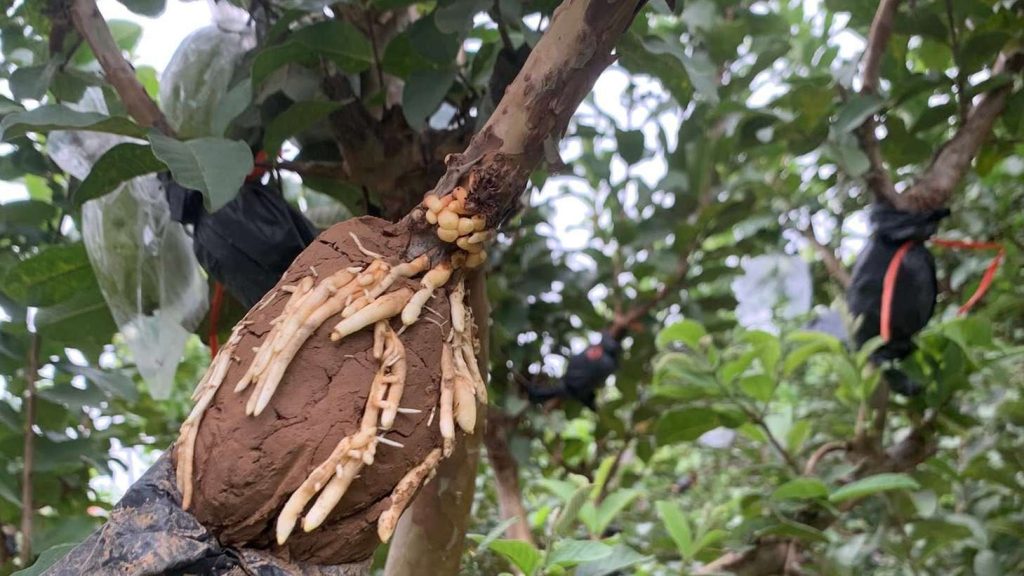
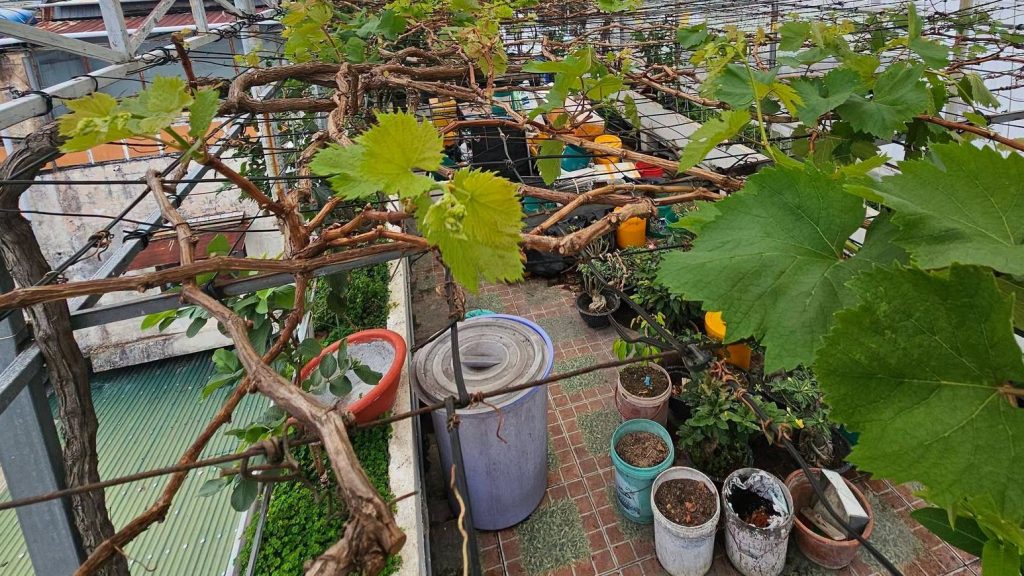
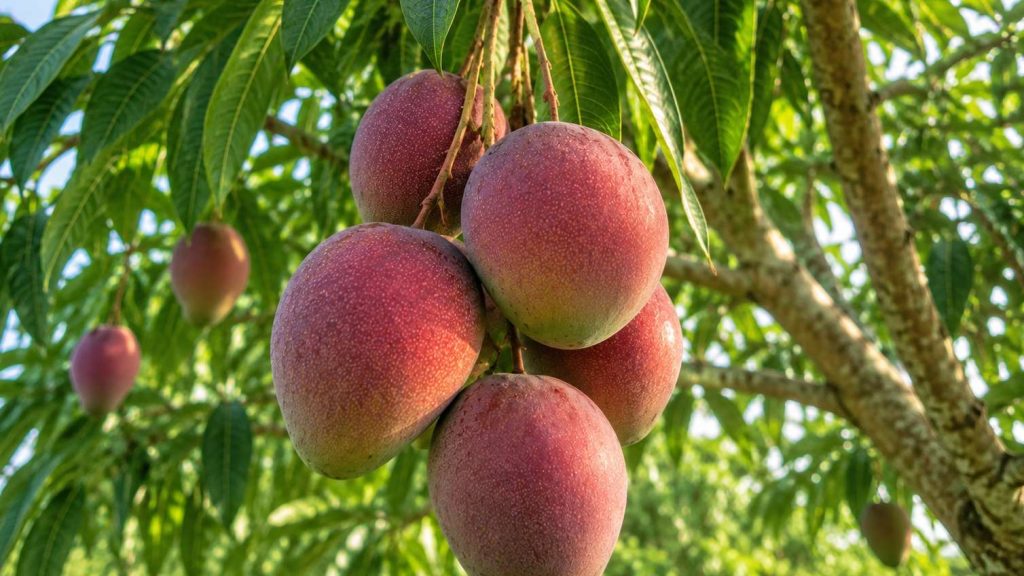
A mulberry tree is one of those fruit trees that can surprise you once it gets established. A young tree may not look like much at first, but with the right location and a little patience, it can eventually produce more berries than a family can eat fresh.
I like mulberries because they do not require complicated care. The biggest mistakes I see are usually choosing the wrong planting spot, watering too little while the tree is young, and harvesting the fruit before it is fully ripe.
Mulberries are soft when ripe, so they need a slightly different approach from apples or pears. Once you learn what to look for, growing and harvesting them becomes much easier.
What Is a Mulberry Tree?
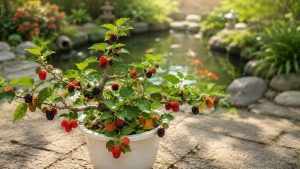
A mulberry tree is a fast-growing fruit tree in the Morus genus, known for its small, juicy berries. Depending on the variety, ripe mulberries can be red, purple, black, or white. The trees have broad green leaves and can grow quite large when given enough space. Mulberry trees are generally easy to care for and can produce abundant fruit once established. They grow best in sunny locations with well-drained soil.
Choosing a Mulberry Tree
Before planting, I would spend more time choosing the right tree than worrying about fertilizer.
Mulberry trees can become surprisingly large, so check the expected mature size before bringing one home.
There are several types, including black, red, and white mulberries. Fruit color and flavor can vary considerably between trees.
If your main goal is eating fresh fruit, I would look for a variety known for good fruit quality and one that grows well in your local climate.
A healthy nursery tree is usually the easiest starting point. Growing a mulberry from seed can be fun, but you will need more patience, and the resulting tree may not produce exactly the same type of fruit as the parent.
Find the Right Place Before You Plant
This is probably the most important decision you will make.
Mulberry trees like plenty of sunlight. I prefer a location that gets at least six hours of direct sun each day.
Give the tree plenty of room, too.
That small tree at the nursery can eventually become a large tree with wide branches. I would not plant one right next to a walkway, driveway, patio, or other area where falling berries will become a problem.
Ripe mulberries are soft and juicy. When they fall onto hard surfaces, they can make quite a mess.
If you have a choice, planting the tree over grass or another area that is easy to clean is much more practical.

Planting a Mulberry Tree
I like to plant fruit trees when the weather is mild rather than during the hottest part of summer.
Dig a hole wider than the root ball so the roots have loose soil to grow into. The tree should sit at about the same depth as it was growing in its container.
After planting, water deeply.
For the first few months, do not let the root ball repeatedly dry out completely. Young trees are still building their root systems, so this is when regular attention matters most.
I also like to add a layer of organic mulch around the tree.
Just keep the mulch away from the trunk. There is no benefit to piling wet mulch directly against the bark.

Watering: Don’t Forget the Young Tree
Once established, mulberry trees are fairly tough. A young tree is a different story.
During the first growing season, I check the soil regularly. If the upper layer is drying out and there has not been enough rain, I give the tree a deep watering.
Deep watering is more useful than constantly sprinkling a little water over the surface.
As the tree develops a larger root system, it becomes much better at finding moisture on its own.
During long periods of hot, dry weather, however, even an established mulberry can benefit from a thorough watering.
The trick is to keep the soil reasonably moist without leaving the roots sitting in soggy soil.
Don’t Overdo the Fertilizer
Mulberry trees are vigorous growers, and that is one reason I would not automatically reach for fertilizer every time the tree looks slow.
If the leaves are healthy and the tree is putting on new growth, it may not need much help.
Too much fertilizer, especially nitrogen, can encourage lots of leafy growth without necessarily giving you the fruit production you are hoping for.
If the tree genuinely seems to be lacking nutrients, a soil test is a better starting point than guessing.
Good soil, adequate sunlight, and proper watering usually matter more than throwing fertilizer around.
Pruning a Mulberry Tree
This is another area where I prefer to keep things simple.
When the tree is young, I focus on developing a strong structure.
I remove dead, damaged, or badly crossing branches and try to prevent the canopy from becoming unnecessarily crowded.
You do not need to make the tree look perfectly shaped.
One mistake I would avoid is cutting back a healthy mulberry tree too aggressively just because it has grown larger than expected.
Mulberries can respond to heavy pruning with vigorous new growth. If you need to control the size, it is usually better to prune thoughtfully rather than waiting until the tree becomes completely overgrown.
When Are Mulberries Ready to Pick?
This is where patience really pays off.
Do not harvest mulberries simply because they have started changing color.
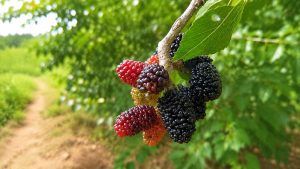
Depending on the variety, ripe fruit may be black, dark red, purple, or even pale.
The best test is how easily the fruit comes off.
A ripe mulberry should practically fall into your hand with very little effort.
If you have to pull hard, leave it alone for a little longer.
The berries should also feel soft and juicy. If they are still firm, they are probably not at their best.
I would rather wait a little longer and pick fully ripe berries than collect a large batch too early.

How I Harvest Mulberries
Mulberries are much softer than many other garden fruits, so I handle them gently.
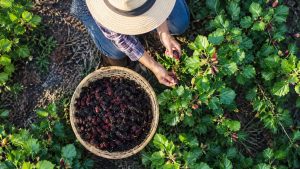
For small harvests, I simply pick the ripe berries by hand.
When the tree is producing heavily, there is an easier method.
Place a clean sheet, tarp, or collection container underneath the branches and gently shake or tap them. The ripe berries will fall much more readily than the unripe ones.
This can save a lot of time when you have a mature tree covered with fruit.
I also harvest frequently during the peak season. Waiting too long can leave ripe berries sitting on the tree, where they can become overripe or attract birds and insects.
Harvest in Small Batches
One thing I learned with soft fruit is that more is not always better.
Instead of picking a huge amount and leaving it sitting around, I prefer to harvest what I can use within a short period.
Mulberries can bruise very easily.
Place them in a shallow container rather than piling them several inches deep.
If some berries are damaged or overripe, separate them from the good fruit as soon as possible.
This helps keep the rest of the harvest in better condition.
How to Store Fresh Mulberries
Fresh mulberries do not have the long storage life of apples or oranges.
After harvesting, I remove leaves, stems, and damaged berries.
I then refrigerate the fruit in a clean container without crushing it.
I prefer not to wash a large amount of fruit long before I plan to eat it. Extra moisture can make delicate berries deteriorate faster.
For the best texture, use refrigerated mulberries fairly quickly.
If the tree gives you far more fruit than you can eat, freezing is usually the easiest solution.
Freezing Mulberries
Freezing is one of my favorite ways to deal with a large mulberry harvest.
First, sort through the berries and remove leaves and damaged fruit.
Gently clean them and allow excess moisture to drain.
Then spread the berries in a single layer on a tray and freeze them until firm.
Once frozen, transfer them to a freezer-safe container or bag.
Freezing them in a single layer first keeps the berries from becoming one giant frozen lump.
Later, you can take out only what you need for smoothies, desserts, baking, sauces, or other recipes.
Mulberries With Sugar
If you have a fresh batch of particularly sweet mulberries, you do not need a complicated recipe.
One simple approach is to gently combine the berries with sugar and let them sit for a short time.
The sugar draws moisture from the fruit, creating a juicy, sweet mixture.
This is sometimes called macerated mulberries.
I like this preparation because it lets you enjoy the natural flavor of the berries without doing much to them.
The sweetened berries can be spooned over pancakes, oatmeal, yogurt, ice cream, or other desserts.
For longer-term storage, I would use a tested preserving method rather than simply keeping fresh fruit and sugar at room temperature.

Common Problems With Mulberry Trees
Mulberry trees are generally easygoing, but they are not completely trouble-free.
Yellow Leaves
Yellow leaves can come from several causes.
Before adding fertilizer, check the soil moisture and drainage.
Overwatering can be just as problematic as drought, especially when the soil stays wet for long periods.
Leaf Spots
Leaf spots can sometimes appear when foliage stays wet for extended periods.
Good airflow through the canopy is helpful. Avoid unnecessary overhead watering when possible.
Clean up heavily affected fallen leaves around the tree rather than allowing them to accumulate.
Birds Eating the Fruit
Birds can discover a mulberry tree surprisingly quickly.
If you are growing the tree mainly for fruit, you may need to protect part of the crop with suitable bird netting or another physical barrier.
Personally, I would expect to share at least some of the harvest with birds. A mature mulberry can produce plenty of fruit.
How Long Until a Mulberry Tree Produces Fruit?
This depends on the variety, starting size, growing conditions, and how the tree was propagated.
A young nursery tree can begin producing much sooner than a tree grown from seed.
Do not be discouraged if a newly planted tree does not produce a huge crop right away.
I would concentrate on establishing a healthy root system first. Good growth during the early years usually sets the tree up for better production later.
Final Thoughts
Mulberry trees are not demanding fruit trees, but they reward gardeners who pay attention to the small details.
Give the tree enough sunlight and space, take care of it while it is young, and let it establish naturally. Once it starts producing, the main challenge may actually be finding enough ways to use all those berries.
Fresh mulberries are wonderful straight from the tree, but the harvest can also be frozen, turned into syrup or jam, or simply mixed with sugar for a quick sweet treat.
For me, that is what makes a mulberry tree worth growing: it is a relatively uncomplicated tree that can turn a small planting decision into years of homegrown fruit.
Mulberry Tree Growing FAQs
Where is the best place to plant a mulberry tree?
Choose a sunny location with at least 6 hours of direct sunlight. Give the tree plenty of room because mature mulberry trees can become quite large. Avoid planting directly beside patios, sidewalks, or driveways because ripe berries can stain hard surfaces.
How often should I water a young mulberry tree?
Young mulberry trees need regular watering while they establish their roots. Check the soil and water deeply when the upper layer begins to dry. Once established, the tree will usually tolerate short periods of dry weather better.
Do mulberry trees need fertilizer?
Mulberry trees generally do not need heavy feeding. If the tree is growing well and producing healthy leaves, there may be little reason to add fertilizer. Too much nitrogen can encourage leafy growth instead of fruit production.
When should I pick mulberries?
Wait until the berries are fully ripe, soft, and easy to remove from the branch. If you have to pull firmly, they probably need more time. Picking slightly later usually gives you sweeter, juicier fruit.
How do you harvest mulberries without damaging them?
Handle ripe mulberries gently because they bruise easily. For a large harvest, place a clean sheet or container under the branches and gently shake the tree. The ripest berries should fall naturally.
What is the best way to store fresh mulberries?
Keep fresh mulberries refrigerated in a shallow container and handle them as little as possible. Because they are delicate, they are best used soon after harvesting. If you have more than you can eat, freezing is an easy way to preserve them.
What is the easiest way to preserve a large mulberry harvest?
Freezing is one of the simplest options. You can also make mulberry syrup, jam, or sweetened mulberries. For longer-term storage, follow a tested preserving recipe rather than storing fresh berries at room temperature.
What is the most important tip for growing mulberries?
Give the tree plenty of sunlight and space, keep young trees properly watered, and do not rush the harvest. A fully ripe mulberry should be soft and come away from the branch with very little effort.
Can You Grow a Mulberry Tree in a Container?
Yes, you can grow a young mulberry tree in a large container, especially a compact variety. Choose a pot with good drainage and water it more often during hot weather. For long-term growth, however, planting in the ground is usually a better option because mulberry trees can become quite large.