Mulberry trees are among the easier fruit trees to care for once they become established. They grow quickly, handle a range of conditions, and can produce a generous crop of sweet berries with surprisingly little fuss.
That said, good care still makes a big difference. The right amount of sunlight, water, pruning, and soil conditions can help a mulberry tree stay productive and healthy for many years.
If you are growing one in your backyard, the main goal is not to constantly manage the tree. It is to give it the conditions it needs and avoid creating problems through overwatering, excessive fertilizer, or heavy pruning.
Choose the Right Location
The location is one of the most important decisions you will make when planting a mulberry tree.
Mulberries generally grow best in a location with full sun. Aim for at least six hours of direct sunlight each day. More sunlight usually means stronger growth and better fruit production.
Give the tree plenty of space as well. Some mulberry varieties can become quite large, and their branches can spread considerably as the tree matures.
Avoid planting directly beside buildings, fences, underground utilities, or other large trees. Think about the tree’s mature size rather than its size when you first bring it home.
Good air circulation is also helpful because crowded branches and constantly damp foliage can encourage some disease problems.
Watering a Mulberry Tree
Young mulberry trees need more consistent watering than established trees.
After planting, water deeply enough to moisten the root zone. During dry weather, check the soil regularly rather than watering according to a strict schedule.
A useful approach is to feel the soil a few inches below the surface. If it is drying out, give the tree a thorough watering. If it is still damp, allow it to dry somewhat before watering again.
Established mulberry trees are relatively drought tolerant, but that does not mean they never need water. Extended periods of hot, dry weather can still cause stress, especially while the tree is producing new growth and fruit.
Avoid keeping the soil constantly soggy. Poor drainage can damage roots and create more serious problems than occasional dryness.
Mulberry Tree Soil Requirements
Mulberry trees are adaptable and can grow in many types of soil, but they perform best in reasonably fertile, well-drained soil.
The most important thing is drainage. Water should not remain around the roots after heavy rain.
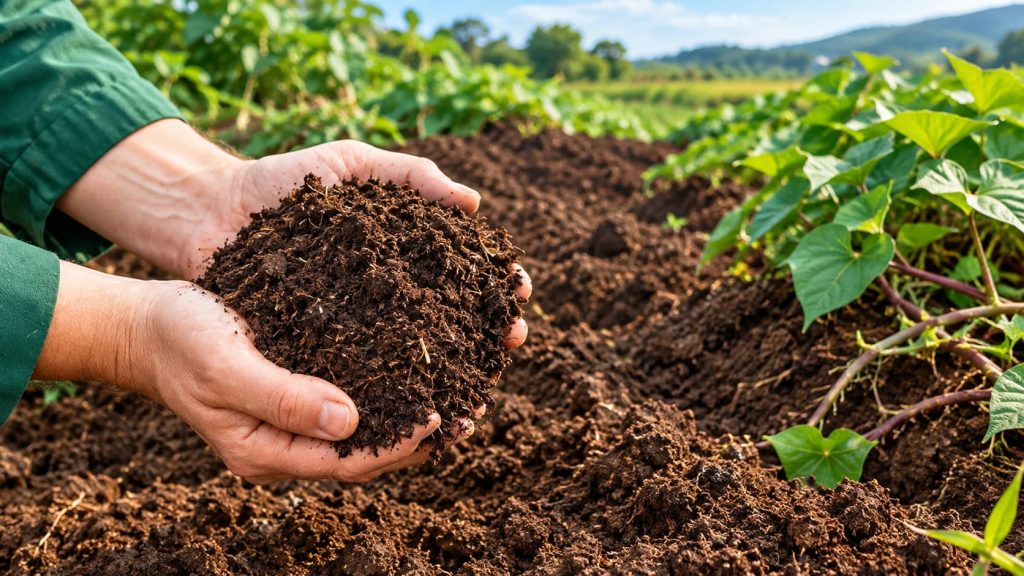
If your garden has heavy clay soil, consider improving the planting area before putting the tree in the ground. Organic matter can help improve soil structure, but avoid creating a small pocket of dramatically different soil around the roots.
A tree planted in suitable native soil often develops a stronger root system than one confined to a small area of amended soil.
Fertilizing a Mulberry Tree
Mulberry trees generally do not require heavy feeding.
If the tree is growing well and producing healthy foliage, there may be little reason to add large amounts of fertilizer.
Too much nitrogen can encourage excessive leafy growth while not necessarily improving fruit production. It can also produce long, vigorous shoots that may be more difficult to manage later.
If your soil is poor or the tree shows signs of nutrient deficiency, consider having the soil tested before applying fertilizer. A soil test gives you a much better idea of what the tree actually needs.
When fertilizer is appropriate, follow the product instructions and avoid applying more than recommended.
Pruning Mulberry Trees
Pruning is one of the areas where gardeners can easily overdo things.
Start by removing dead, broken, or diseased branches. You can also remove branches that cross, rub against each other, or grow into an unwanted direction.
For a young tree, pruning can help establish a strong structure. Choose a few well-positioned main branches rather than allowing the canopy to become overcrowded.
For an established tree, focus on maintaining a manageable shape and removing problematic growth.
Avoid cutting away large amounts of healthy wood simply because you want to make the tree smaller. Heavy pruning can stimulate vigorous regrowth and may create additional maintenance later.
Timing also matters. Prune during an appropriate dormant or low-growth period for your climate and variety, particularly when making larger structural cuts.
Caring for a Mulberry Tree in Hot Weather
Mulberry trees generally handle warm conditions well once established, but young trees can struggle during prolonged heat. Caring for a mulberry tree becomes easier when you pay attention to soil moisture and protect the root zone during hot, dry weather.
During hot, dry periods, pay particular attention to soil moisture. Water deeply when needed rather than giving the tree frequent shallow watering.
A layer of organic mulch around the root zone can also help conserve soil moisture and moderate soil temperature.
Keep mulch a few inches away from the trunk. Piling mulch directly against the trunk can create a damp environment that encourages problems.
Mulching Around the Tree
Mulch is useful for both young and mature mulberry trees.
Organic materials such as shredded bark, wood chips, or composted mulch can help reduce evaporation and suppress weeds.
Spread the mulch over the root zone without creating a volcano-shaped pile around the trunk.
A moderate layer is usually enough. Refresh it as it breaks down, but keep the trunk itself exposed.
Mulching also reduces competition from grass and weeds. This is particularly helpful while a young mulberry tree is establishing its root system.
Protecting Mulberry Trees From Pests
Healthy mulberry trees usually tolerate occasional insect activity without serious problems.
Still, keep an eye out for aphids, scale insects, spider mites, and other sap-feeding pests.
Inspect the undersides of leaves and young shoots regularly. Early detection makes management much easier.
For small infestations, a strong spray of water can sometimes remove insects from the foliage. Encourage beneficial insects whenever possible rather than automatically using broad-spectrum pesticides.
If you need a treatment, identify the pest first and follow the product label carefully.
Preventing Disease Problems
Most disease prevention starts with basic tree care.
Avoid unnecessary overhead watering because wet foliage can remain favorable for some fungal diseases. Water the soil around the root zone instead.
Prune overcrowded branches when necessary to improve air circulation. Remove dead or diseased plant material and clean up fallen leaves when appropriate.
Do not assume every spot or yellow leaf is a disease. Environmental stress, watering problems, and natural seasonal changes can produce similar symptoms.
Look at the entire tree before deciding that treatment is necessary.
Caring for Mulberries During Fruit Production
Once the tree begins producing fruit, water becomes especially important during extended dry periods.
Avoid sudden changes in moisture when possible. Consistent growing conditions can help the tree maintain healthy fruit development.
As berries ripen, birds may become your biggest competition. A productive tree can attract birds quickly, so gardeners who want to harvest most of the crop may need to use protective netting.
Pick ripe berries regularly rather than leaving large quantities on the tree to become overripe.
Caring for a Young Mulberry Tree
Young trees deserve more attention than established ones.
For the first few years, concentrate on establishing a healthy root system and strong framework. Keep competing weeds and grass away from the immediate root zone.
Water during dry periods and monitor the tree for signs of stress.
Do not rush to force rapid growth with heavy fertilizer. A strong tree takes time to develop, and steady growth is generally easier to manage than excessive growth.
Common Care Mistakes to Avoid
One of the most common mistakes is overwatering. Mulberries appreciate moisture but do not want permanently saturated soil.
Another mistake is excessive fertilizer. More fertilizer does not automatically mean more fruit.
Heavy pruning is another problem. Removing too much healthy wood can encourage vigorous shoots and create an awkward canopy.
Finally, do not ignore the tree after planting. A quick inspection every week or two during the growing season can help you catch pest, watering, or disease problems before they become serious.
Final Thoughts
Mulberry trees do not need complicated care. Give them plenty of sunlight, well-drained soil, appropriate water, and enough room to grow.
Regular observation is more useful than constant intervention. Watch the leaves, branches, soil, and fruit, and respond when the tree actually shows a problem.
With consistent basic care, a mulberry tree can become a productive and long-lived part of a backyard garden.