Morning glory vines are known for being fast-growing and surprisingly easy to care for once they become established. Give them enough sunlight, water, room to climb, and a little attention throughout the growing season, and they can quickly turn a simple fence, trellis, or arbor into a colorful garden feature.
Although these plants are generally low-maintenance, good care still makes a difference. Healthy vines are more likely to produce plenty of flowers, maintain strong foliage, and continue growing steadily through warm weather.
Give the Vines Plenty of Sunlight
Sunlight is one of the most important parts of caring for morning glory. These flowering vines grow best in a location that receives several hours of direct sunlight each day.
A sunny position helps the plant produce strong growth and supports flowering. If the vine receives too much shade, you may notice long, weak stems and plenty of leaves without as many blooms.
When choosing a location, consider how the sunlight changes throughout the day. A spot that looks sunny in the morning may become shaded by a building or large tree later.
If you are growing the plant in a container, you have the advantage of being able to move it to a brighter location when necessary.
Water When the Soil Begins to Dry
Morning glory needs regular moisture while it is actively growing, particularly during hot or dry weather. However, the soil should not remain constantly wet.
A good approach is to check the soil before watering. If the upper layer feels dry, give the plant a thorough watering. Allow excess water to drain away rather than letting the roots sit in soggy soil.
Young plants generally need more consistent attention than established vines. Once the roots have developed, the plants can usually handle short periods of dry weather better.
During periods of extreme heat, check container-grown plants more frequently because pots can dry out much faster than garden soil.
Avoid Poor Drainage
Good drainage is just as important as watering.
Morning glory does not need soil that stays wet for long periods. Heavy, poorly drained soil can make it difficult for roots to remain healthy.
If your garden soil drains slowly, consider improving the planting area with organic matter. Container plants should always be grown in a pot with drainage holes.
Avoid placing containers in trays where water collects for long periods. Empty standing water when necessary so the roots are not constantly exposed to excess moisture.
Provide a Strong Support
One of the easiest ways to keep the vines healthy and manageable is to give them something sturdy to climb.
A trellis, fence, arbor, or garden netting can work well. Install the support before the plant becomes large enough to become tangled.
As new stems develop, gently guide them toward the structure. Morning glory naturally climbs, so you usually only need to point young growth in the right direction.
A good support also improves air movement around the plant and keeps the vines from spreading randomly across the ground.
Guide New Growth Regularly
Fast-growing vines can become tangled surprisingly quickly. Checking the plant every few days during periods of rapid growth can make training much easier.
If several stems begin growing in the wrong direction, gently redirect them toward the trellis or support.
Avoid pulling hard on older stems. Instead, guide flexible young growth whenever possible.
This small amount of regular attention can prevent the plant from becoming a tangled mass later in the season.
Fertilize Carefully
Morning glory is not usually a plant that needs heavy feeding. In reasonably fertile soil, it can grow vigorously without much fertilizer.
Too much nitrogen can encourage lush green foliage while reducing flowering. If your soil is poor, a balanced fertilizer used according to the product directions may be enough.
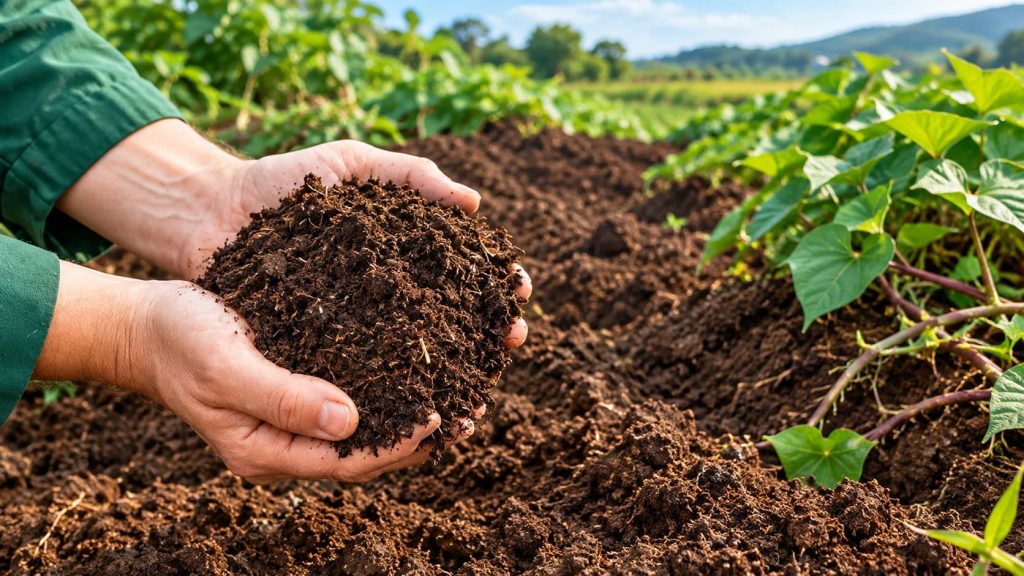
Compost can also be useful when preparing the planting area. It improves soil structure and provides a gradual source of nutrients.
The goal is healthy, balanced growth rather than simply making the vines grow as quickly as possible.
Encourage Better Flowering
Good flowering usually comes down to providing the right growing conditions rather than constantly adding fertilizer.
Make sure the plant receives plenty of sunlight, has adequate moisture, and is not being overfed.
If the vine has lots of leaves but very few flowers, look at its growing environment first. Too much shade and excessive nitrogen are two common factors worth considering.
Morning blooms can also be easy to miss because individual flowers may not remain open throughout the entire day. Check the plant early in the morning to enjoy the flowers at their best.
For more information about the different characteristics and blooms of this plant, see our guide to Morning Glory flowers.
Keep Weeds Under Control
Weeds compete with young vines for water, nutrients, and sunlight. Keeping the area around the base of the plant relatively clear can make maintenance easier.
Remove weeds carefully so you do not disturb the roots of the vine.
A thin layer of organic mulch around the planting area can help suppress weeds and reduce moisture loss. Keep mulch slightly away from the main stem rather than piling it directly against the plant.
Watch for Pests
Morning glory can occasionally attract common garden pests. Aphids and other sap-feeding insects may gather around tender new growth.
Check the undersides of leaves and the newest stems when inspecting the plant. Small infestations may sometimes be managed simply by washing the foliage with a gentle stream of water.
Avoid reaching for strong treatments immediately. Identifying the pest first makes it easier to choose an appropriate solution.
Healthy plants are also generally better able to tolerate minor pest pressure, which is another reason to focus on good growing conditions.
Remove Damaged Growth
You do not need to prune morning glory heavily, but removing damaged, dead, or obviously unhealthy growth can help keep the plant tidy.
If a stem becomes broken, remove the damaged section with clean pruning shears.
You can also redirect overly aggressive growth when the vines begin extending beyond the area you want them to cover.
Regular light maintenance is usually easier than allowing the plant to become completely tangled and then trying to sort it out later.
Caring for Container-Grown Vines
Morning glory can also be grown in containers, especially when you want to place the vines on a balcony, patio, or small garden structure.
Choose a container large enough to support healthy root development and make sure it has drainage holes.
Container plants usually require more frequent watering because the soil volume is limited. During hot weather, check the moisture level regularly.
A trellis or other support should be placed near the container so the vines have somewhere to climb as they develop.
Avoid keeping the container in a dark corner simply because the plant is growing vertically. The vines still need plenty of sunlight to remain productive and flower well.
Prepare for the End of the Growing Season
In areas where morning glory is grown as an annual, the vines will eventually slow down as temperatures change.
At the end of the season, remove dead plant material and clean up the growing area. If the plant has produced seeds and you want to grow it again, collect mature seeds according to the needs of the particular variety.
Gardeners in warm climates may experience a longer growing period, while those in colder regions will generally see the vines finish earlier.
Cleaning up at the end of the season also gives you a chance to inspect the support structure and prepare it for the following year.
Final Thoughts
Morning glory care is relatively simple when the plant receives the basics it needs. Plenty of sunlight, well-draining soil, sensible watering, and a sturdy climbing support will take care of most of the work.
Keep an eye on fast-growing stems, avoid excessive fertilizer, and check the foliage regularly for pests or damaged growth. With a little routine attention, the vines can remain vigorous and provide colorful flowers throughout the warm part of the growing season.
The best approach is not to overcomplicate the process. Morning glory is naturally vigorous, so your job is mainly to provide good conditions and give the vines a suitable place to grow.