
Kiwi fruit is a small, colorful fruit known for its bright green flesh, tiny black seeds, and refreshing sweet-tart flavor. It is a popular choice for breakfast, snacks, smoothies, fruit salads, and desserts. Besides its delicious taste, kiwi fruit is also valued for its impressive nutritional profile and versatility.
Whether you want to learn about kiwi fruit nutrition, discover its potential benefits, find out how to eat kiwi, or grow your own kiwi plants, there is plenty to explore. Kiwi fruit can be enjoyed in many different ways, and with the right growing conditions, certain varieties can also become an interesting addition to a home garden.
In this guide, you’ll learn everything you need to know about kiwi fruit, including its nutrition, potential health benefits, how to choose and eat ripe kiwi, how to store it, and how to grow kiwi at home.
Table of Contents
- What Is Kiwi Fruit?
- Kiwi Fruit Nutrition
- Potential Benefits of Kiwi Fruit
- Green Kiwi vs. Golden Kiwi
- How to Choose Ripe Kiwi Fruit
- How to Tell If Kiwi Fruit Is Ripe
- How to Ripen Kiwi Fruit Faster
- How to Eat Kiwi Fruit
- How to Cut Kiwi Fruit
- How to Store Kiwi Fruit
- How to Grow Kiwi at Home
- Do Kiwi Plants Need Male and Female Plants?
- When to Harvest Kiwi Fruit
- Common Problems When Growing Kiwi
- Frequently Asked Questions About Kiwi Fruit
- Final Thoughts
What Is Kiwi Fruit?
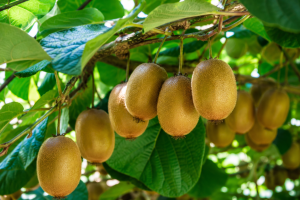
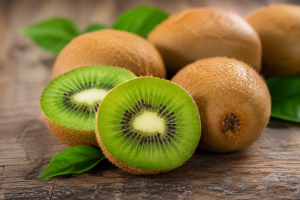
Kiwi fruit, often simply called kiwi, is a small fruit that grows on vigorous climbing vines. The most familiar variety has brown, fuzzy skin and bright green flesh filled with tiny black seeds.
The seeds are edible, and the flesh has a distinctive combination of sweetness and tanginess. Depending on the variety and ripeness, kiwi fruit can range from pleasantly tart to very sweet.
There are several types of kiwi, but green kiwi and golden kiwi are among the most commonly available varieties.
Green kiwi usually has fuzzy brown skin, vibrant green flesh, and a slightly tangy flavor. Golden kiwi typically has smoother skin, yellow or golden flesh, and a sweeter, milder taste.
Although kiwi fruit is strongly associated with New Zealand today, the fruit originated in China. It was originally known as the Chinese gooseberry before becoming widely cultivated and eventually receiving the name “kiwi” in international markets.
Today, kiwi fruit is grown commercially in different parts of the world, including New Zealand, Italy, China, Greece, and the United States.
Kiwi Fruit Nutrition
Kiwi fruit is a nutrient-dense food that provides several important vitamins, minerals, fiber, and antioxidant compounds.
The nutritional content can vary depending on the size and variety of the fruit, but kiwi is particularly well known for providing:
- Vitamin C
- Vitamin K
- Dietary fiber
- Vitamin E
- Folate
- Potassium
- Antioxidants
One of the main nutritional highlights of kiwi fruit is vitamin C. This essential nutrient plays an important role in normal immune function and is also involved in collagen production.
Kiwi fruit also provides dietary fiber, which supports normal digestion and can contribute to feelings of fullness.
Because kiwi is naturally sweet and refreshing, it can be an easy way to add more fruit to your everyday meals without relying on heavily processed snacks.
For the best overall nutrition, kiwi fruit can be enjoyed as part of a varied and balanced diet that includes a wide range of fruits, vegetables, whole grains, protein sources, and healthy fats.
Potential Benefits of Kiwi Fruit
Kiwi fruit contains a combination of nutrients that can contribute to a healthy, balanced eating pattern. While no single food can provide everything the body needs, adding a variety of fruits to your diet is an important part of healthy eating.
Here are some of the potential benefits associated with kiwi fruit.
1. Kiwi Fruit Is a Good Source of Vitamin C
Kiwi fruit is particularly well known for its vitamin C content.
Vitamin C is an essential nutrient involved in several important functions in the body. It contributes to normal immune system function and plays a role in collagen formation.
Collagen is a structural protein found throughout the body and is important for skin, bones, cartilage, and connective tissues.
Adding kiwi fruit to breakfast or enjoying it as a snack can be a convenient way to increase your intake of vitamin C.
2. Kiwi Fruit Provides Dietary Fiber
Fiber is another important component of kiwi fruit.
A diet that contains enough dietary fiber can support normal digestive function and help maintain regular bowel movements. Fiber can also help you feel full and satisfied after eating.
If you are increasing your fiber intake, it is generally helpful to do so gradually and drink enough fluids throughout the day.
3. Kiwi Contains Antioxidants
Kiwi fruit contains naturally occurring antioxidant compounds.
Antioxidants help protect cells from oxidative stress caused by free radicals. Eating a variety of fruits and vegetables is one way to obtain different types of naturally occurring antioxidants.
The vibrant green or golden color of kiwi fruit also makes it an attractive addition to colorful meals and fruit dishes.
4. Kiwi Can Be Part of a Balanced Diet
Kiwi fruit is naturally sweet, refreshing, and relatively low in calories compared with many processed desserts and snacks.
It can be eaten alone or combined with other nutritious foods. For example, sliced kiwi can be served with plain yogurt, oatmeal, whole-grain cereal, or other fresh fruit.
This versatility makes kiwi fruit an easy option for people who want to include more fruit in their everyday meals.
5. Kiwi May Support Digestive Health
The dietary fiber in kiwi can contribute to normal digestive health.
Green kiwi also contains actinidin, a naturally occurring enzyme that helps break down proteins. Research has explored the relationship between kiwi consumption and digestive function, although individual experiences can vary.
If you have a food allergy, intolerance, or digestive condition, you should consider your individual needs when adding new foods to your diet.
Green Kiwi vs. Golden Kiwi
Green kiwi and golden kiwi are both popular, but they have some noticeable differences.
Green Kiwi Fruit
Green kiwi typically has:
- Brown, fuzzy skin
- Bright green flesh
- Tiny black seeds
- A sweet and tangy flavor
- A slightly firmer texture
It is the variety many people immediately think of when they hear the term kiwi fruit.
Green kiwi is commonly available in supermarkets and is often used in fruit salads, smoothies, desserts, and breakfast dishes.
Golden Kiwi Fruit
Golden kiwi usually has:
- Smoother skin
- Yellow or golden flesh
- A sweeter flavor
- Less tartness
- A softer texture
Golden kiwi can be eaten in many of the same ways as green kiwi.
Both varieties can be nutritious choices. The best option often comes down to personal taste and availability.
How to Choose Ripe Kiwi Fruit
Choosing a ripe kiwi can make a big difference in its flavor and texture.
When shopping for kiwi fruit, look for fruit that is free from major bruises, mold, or damaged areas.
A kiwi that is very firm is usually not fully ripe. A ripe kiwi should give slightly when you gently press it with your thumb.
Avoid squeezing too hard because excessive pressure can bruise the fruit.
If you prefer a softer, sweeter kiwi, allow the fruit to ripen for a little longer. If you like a firmer texture, you can eat it when it has only just begun to soften.
How to Tell If Kiwi Fruit Is Ripe
The easiest way to check if kiwi fruit is ripe is to gently press the outside.
A ripe kiwi should have a little give but should not feel extremely soft or mushy.
Other signs of an overripe kiwi may include:
- Very soft texture
- Leaking liquid
- Mold
- Strong unpleasant odor
- Significant discoloration
If the fruit is still hard, leave it at room temperature for a few days and check it again.
How to Ripen Kiwi Fruit Faster
If you have purchased kiwi fruit that is still firm, you can allow it to ripen naturally at room temperature.
To encourage faster ripening, place the kiwi in a paper bag with a ripe banana or apple. These fruits naturally release ethylene gas, which can help speed up the ripening process.
Check the kiwi regularly. Once it becomes slightly soft, you can move it to the refrigerator to slow further ripening.
The exact ripening time depends on the fruit’s starting condition, temperature, and variety.
How to Eat Kiwi Fruit
There are several easy ways to eat kiwi fruit.
1. Eat Kiwi With a Spoon
One of the simplest methods is to cut the kiwi in half.
Use a spoon to scoop the green or golden flesh away from the skin.
This method is quick, convenient, and requires very little preparation.
2. Peel and Slice Kiwi
If you prefer not to eat the skin, you can peel the kiwi using a small knife or vegetable peeler.
After removing the skin, slice the fruit into rounds or cut it into smaller pieces.
Sliced kiwi works well in:
- Fruit salads
- Yogurt bowls
- Oatmeal
- Smoothies
- Breakfast bowls
- Desserts
3. Eat Kiwi Skin
Kiwi skin is edible, although many people prefer to remove it because of its fuzzy texture.
If you want to eat the skin, wash the fruit thoroughly before eating it.
Golden kiwi often has smoother skin, which some people find easier to eat.
Whether you eat the skin or peel it is entirely a matter of personal preference.
How to Cut Kiwi Fruit
Cutting kiwi fruit is simple.
First, rinse the fruit under cool running water.
Place it on a clean cutting board and carefully cut off both ends.
If you want to remove the skin, use a small knife or vegetable peeler to carefully peel the fruit.
You can then cut the kiwi into:
- Round slices
- Half-moon pieces
- Small cubes
- Wedges
For fruit salads, diced kiwi is convenient. For desserts and breakfast bowls, round slices can create an attractive presentation.
How to Store Kiwi Fruit
Proper storage can help kiwi fruit stay fresh and maintain its quality.
If your kiwi is still firm and unripe, leave it at room temperature until it begins to soften.
Once the fruit is ripe, place it in the refrigerator to slow down the ripening process.
Keep ripe kiwi away from foods with strong odors because the fruit can absorb odors in the refrigerator.
After cutting kiwi, place the pieces in a clean, covered container and refrigerate them.
For the best quality, eat cut kiwi within a few days.
Before eating stored kiwi, check for signs of spoilage such as:
- Mold
- Unpleasant smell
- Excessive softness
- Leaking liquid
- Significant discoloration
When in doubt, it is safer to discard fruit that appears spoiled.
How to Grow Kiwi at Home
Growing kiwi can be an exciting project for home gardeners. However, kiwi plants require space because they grow as vigorous vines.
Before planting, consider your local climate, available space, soil conditions, and the specific kiwi variety you want to grow.
Choose the Right Kiwi Variety
The first step is choosing a kiwi variety that is suitable for your climate.
Hardy kiwi and fuzzy kiwi have different growing requirements. Some varieties tolerate colder temperatures better than others.
Before purchasing a plant, check your local growing zone and select a variety that can handle your area’s winter conditions.
You should also find out whether the variety requires separate male and female plants for pollination or whether it is self-fertile.
Choose a Sunny Planting Location
Kiwi vines generally grow best in a location with plenty of sunlight.
Choose a site that receives several hours of direct sunlight each day.
The planting area should also have good air circulation and protection from strong winds.
Because kiwi vines can become large, make sure there is enough space for the plant to spread and climb.
Prepare Well-Drained Soil
Kiwi plants prefer fertile soil with good drainage.
Before planting, improve poor soil by incorporating well-aged compost or other organic matter.
Avoid areas where water regularly collects after rainfall.
Constantly wet soil can create unfavorable conditions for healthy root development.
Build a Strong Support Structure
One of the most important considerations when growing kiwi is providing strong support.
Kiwi vines are vigorous climbers and can become quite heavy as they mature.
A sturdy trellis, pergola, or similar support structure can help keep the vines organized.
It is best to install the support system before the plant becomes large.
A strong structure also makes pruning, maintenance, and harvesting easier.
Plant Kiwi at the Right Time
In many climates, kiwi plants are best planted in spring after the risk of severe frost has passed.
The ideal planting time depends on your location and the variety you choose.
Give each plant enough space to grow and develop.
Avoid planting kiwi vines too close together because overcrowding can reduce air circulation and make maintenance more difficult.
Water Kiwi Plants Regularly
Young kiwi plants need consistent moisture while they establish their roots.
Water deeply when the soil begins to dry, but avoid keeping the soil constantly waterlogged.
During hot or dry weather, kiwi plants may require more frequent watering.
Adding a layer of organic mulch around the base of the plant can help retain soil moisture and reduce weed competition.
Keep mulch slightly away from the main stem to avoid creating overly damp conditions around the trunk.
Prune Kiwi Vines
Regular pruning is an important part of growing kiwi.
Kiwi vines can grow rapidly, and uncontrolled growth can make the plant difficult to manage.
Pruning can help:
- Control vine growth
- Improve air circulation
- Remove damaged or unwanted growth
- Encourage productive fruiting wood
- Make harvesting easier
The exact pruning method depends on the variety and training system.
For the best results, follow pruning recommendations for your specific kiwi variety and local growing conditions.
Do Kiwi Plants Need Male and Female Plants?
Some kiwi varieties require separate male and female plants for successful pollination and fruit production.
If you choose one of these varieties, you will need a compatible male plant growing nearby.
Other kiwi varieties are self-fertile and can produce fruit without a separate pollinator.
Always check the plant label or nursery information before purchasing kiwi plants.
Understanding the pollination requirements of your chosen variety is one of the most important steps when planning a kiwi garden.
When to Harvest Kiwi Fruit
Kiwi fruit is generally harvested when it has reached full size but is still firm.
Unlike some fruits, kiwi can be harvested before it becomes fully soft and then allowed to ripen after picking.
The ideal harvest time depends on the variety and your growing conditions.
If you are growing kiwi at home, follow the recommendations for your specific variety.
Harvesting too early can result in poor flavor, while harvesting too late may expose the fruit to cold weather or other problems.
After harvesting, allow the fruit to ripen at room temperature before eating.
Common Problems When Growing Kiwi
Growing kiwi can be rewarding, but gardeners may encounter a few common challenges.
Kiwi Plant Produces Flowers but No Fruit
If your kiwi vine grows vigorously but does not produce fruit, pollination may be the problem.
Check whether your variety requires both male and female plants.
Poor pollination can prevent fruit from developing even when the plant appears healthy.
Kiwi Vines Become Overgrown
Kiwi vines can grow quickly.
Without regular training and pruning, they may become tangled and difficult to manage.
Use a sturdy support system and prune according to the needs of your variety.
Too Much or Too Little Water
Both overwatering and underwatering can stress kiwi plants.
Aim to keep the soil consistently moist but well drained.
Adjust watering based on rainfall, temperature, soil type, and the age of the plant.
Frost Damage
Young kiwi growth can be vulnerable to unexpected frost.
If late spring frost is common in your area, choose a suitable planting location and protect young plants when necessary.
Frequently Asked Questions About Kiwi Fruit
Is kiwi fruit healthy?
Kiwi fruit is a nutrient-rich food that provides vitamin C, fiber, vitamin K, antioxidants, and other nutrients. It can be included as part of a varied and balanced diet.
Can you eat kiwi skin?
Yes. Kiwi skin is edible. Some people prefer to peel it because of its texture, while others enjoy eating the whole fruit after washing it thoroughly.
How do you know when kiwi is ripe?
A ripe kiwi should give slightly when gently pressed. It should not be rock hard or extremely soft.
Does kiwi fruit need to be refrigerated?
Unripe kiwi can be kept at room temperature until it ripens. Once ripe, refrigeration can help slow the ripening process and extend freshness.
How do you make kiwi ripen faster?
Place firm kiwi in a paper bag with a ripe banana or apple. The ethylene gas naturally released by these fruits can help encourage ripening.
Can you grow kiwi fruit at home?
Yes. Kiwi can be grown at home in suitable climates. The plants need adequate sunlight, fertile well-drained soil, regular moisture, and a strong support structure.
Do you need two kiwi plants to produce fruit?
It depends on the variety. Some kiwi plants require separate male and female plants for pollination, while certain varieties are self-fertile.
How long does kiwi fruit last?
The storage life depends on how ripe the fruit is and how it is stored. Firm, unripe kiwi generally lasts longer than fully ripe fruit. Refrigerating ripe kiwi can help slow further ripening.
Final Thoughts
Kiwi fruit is a delicious and versatile addition to a balanced diet. Its bright color, refreshing flavor, and combination of vitamin C, fiber, vitamin K, and antioxidant compounds make it a popular choice for snacks and meals.
There are many ways to enjoy kiwi fruit. You can scoop it from the skin, peel and slice it, add it to yogurt and oatmeal, blend it into smoothies, or combine it with other fresh fruits.
For gardeners, growing kiwi can be a rewarding long-term project. Choosing the right variety, providing plenty of sunlight, preparing well-drained soil, installing a strong support structure, and understanding pollination requirements are all important steps toward growing healthy kiwi vines.
Whether you are interested in kiwi fruit nutrition, kiwi benefits, how to eat kiwi, or how to grow kiwi, this versatile fruit offers plenty to discover.
With the right care, you can enjoy kiwi fruit in your kitchen and, in suitable climates, even grow your own kiwi vines at home.