Tropical plants can bring a lush, vibrant look to any indoor space. Many popular houseplants come from warm, humid regions and are adapted to bright light, regular moisture, and well-draining soil. The good news is that you do not need a tropical climate to grow them successfully indoors.
With the right balance of light, watering, soil, humidity, and temperature, an indoor tropical plant can grow steadily and produce healthy new leaves. Whether you are caring for your first houseplant or expanding your indoor garden, understanding these basic requirements will make plant care much easier.
1. Provide the Right Amount of Light
Light is one of the most important factors for healthy indoor plant growth. Most tropical houseplants prefer bright, indirect light rather than harsh, direct sunlight for long periods.
A spot near an east- or north-facing window can work well, while a south- or west-facing window may provide stronger light. If the sunlight is intense, use a sheer curtain to soften it.
Signs that your plant may not be receiving enough light include slow growth, smaller new leaves, or stems stretching toward a window. On the other hand, excessive direct sunlight can cause leaf scorch or faded patches.
If natural light is limited, an appropriate indoor grow light can help provide additional illumination.
2. Water According to the Plant’s Needs
Watering is another major part of tropical plant care. Although many tropical plants enjoy consistent moisture, this does not mean their soil should remain constantly wet.
Before watering, check the top layer of soil with your finger. If it feels dry to the appropriate depth for your particular plant, it may be time to water. When watering, apply enough water to moisten the root zone thoroughly and allow excess water to drain from the bottom of the container.
Avoid letting the pot sit in standing water. Poor drainage combined with frequent watering can leave the roots overly wet and may contribute to root problems.
The ideal watering schedule depends on the plant, pot size, soil, temperature, humidity, and amount of light it receives. Instead of following a strict calendar, check the soil and plant regularly.
3. Choose a Well-Draining Soil Mix
Tropical plants generally benefit from soil that holds some moisture while still allowing excess water to escape.
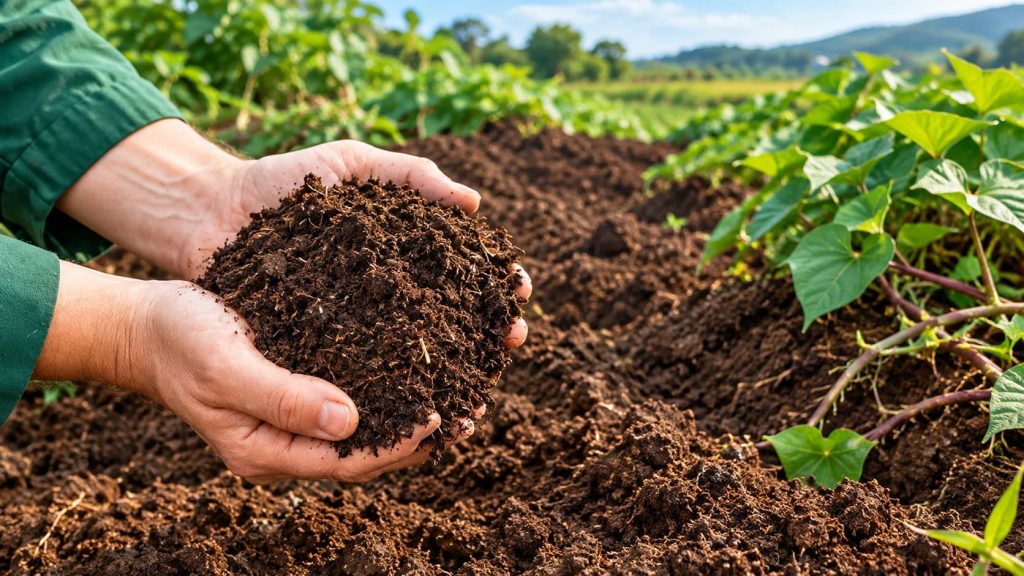
A good indoor potting mix should provide both moisture retention and drainage. Materials such as coco coir, peat-based potting mix, perlite, orchid bark, or other aerating ingredients can be useful depending on the plant.
Avoid heavy garden soil in indoor containers. It can become compacted and restrict airflow around the roots.
The goal is to create a loose growing medium where roots have access to moisture, nutrients, and oxygen.
4. Use a Container With Drainage Holes
Even an excellent soil mix will not work well if excess water has nowhere to go.
Choose a pot with drainage holes at the bottom. This allows surplus water to escape after watering and helps prevent water from accumulating around the roots.
When selecting a container, avoid moving a small plant into an excessively large pot. A very large container can hold moisture for longer than necessary, increasing the risk of overwatering.
As the plant grows, you can move it into a slightly larger container when the roots have filled much of the existing pot.
5. Maintain Warm Indoor Temperatures
Most tropical houseplants prefer warm, stable conditions. Keep them away from cold drafts, poorly insulated windows, and sudden temperature changes.
A comfortable indoor environment is usually suitable for many tropical plants. Avoid placing a plant directly beside heating vents or air-conditioning units because rapid changes in temperature and dry air can stress the foliage.
During colder months, monitor the plant more closely and adjust watering according to slower growth and reduced moisture loss.
6. Pay Attention to Humidity
Many tropical plants naturally grow in environments with higher humidity. Indoor air can become relatively dry, particularly when heating or air conditioning is running.
If the leaves develop dry edges or the plant appears stressed despite proper watering and light, low humidity may be one factor to consider.
You can increase humidity by grouping plants together or using a room humidifier. Good air circulation is also important because constantly stagnant, damp conditions can encourage fungal and other plant health problems.
7. Feed During Active Growth
Indoor tropical plants need nutrients to produce healthy foliage. During periods of active growth, a balanced houseplant fertilizer can provide nutrients that may be limited in the potting mix.
Always follow the fertilizer label rather than assuming that more fertilizer will produce faster growth. Applying too much can damage roots and create nutrient problems.
During periods of slow growth, plants generally need less fertilizer. Adjust feeding according to the plant’s growth and indoor conditions.
8. Clean and Inspect the Leaves
Large tropical leaves can collect dust indoors. Gently wiping the foliage with a clean, damp cloth can help keep the leaves looking fresh.
Regular inspection is also useful for spotting common pests such as aphids, mealybugs, spider mites, or scale insects before they become a larger problem.
Look closely at both the upper and lower surfaces of leaves, as well as stems and new growth. Early detection makes plant problems easier to manage.
9. Prune and Rotate the Plant
Light from a window often comes from one direction, causing indoor plants to lean toward the light. Rotating the container occasionally can encourage more balanced growth.
Remove damaged, dead, or severely affected leaves with clean pruning tools. Light pruning can also help maintain the plant’s shape and encourage fresh growth when appropriate.
Avoid excessive pruning, especially if the plant is already stressed.
10. Watch for Common Care Problems
Yellow leaves, drooping foliage, brown edges, and slow growth can have several causes. Avoid changing several care factors at once because it can make the problem harder to identify.
Check the plant’s light, soil moisture, drainage, temperature, humidity, and roots. For example, yellowing leaves may occur because of watering problems, environmental stress, natural aging, or other issues.
The best approach is to observe changes over time and make small adjustments based on the plant’s condition.
Final Thoughts
Caring for an indoor tropical plant does not have to be complicated. Start with the basics: provide bright indirect light, appropriate watering, well-draining soil, good drainage, warm temperatures, and suitable humidity.
Once you understand how your plant responds to its environment, you can adjust its care routine more confidently. Different tropical plants have different preferences, so learning about the specific plant you grow is always helpful.
For a more detailed guide to growing one of the most popular tropical houseplants, read Philodendron for practical information about its growing conditions and care needs.