Starting a vegetable garden in your backyard is a rewarding way to grow fresh food, spend more time outdoors, and connect with nature. Whether you have a large yard or a small outdoor space, you can create a productive garden with the right planning and a few basic supplies.
If you are wondering how to start a vegetable garden in your backyard, the process does not have to be complicated. By choosing a good location, preparing the soil, selecting beginner-friendly vegetables, and establishing a simple care routine, you can build a garden that produces fresh vegetables throughout the growing season.
1. Choose the Right Location
The first step in starting a backyard vegetable garden is finding a suitable location. Most vegetables grow best when they receive plenty of sunlight. Look for an area that gets at least six to eight hours of direct sunlight each day.
Good sunlight is especially important for vegetables such as tomatoes, peppers, cucumbers, squash, and eggplant. Leafy greens like lettuce and spinach can tolerate some partial shade, but they still need adequate light to grow well.
Choose a location that is easy to reach from your home. A garden that is close to your kitchen or a frequently used walkway is easier to monitor, water, and harvest regularly.
You should also consider drainage. Avoid areas where water collects after heavy rain. Most vegetables prefer soil that stays evenly moist but does not remain waterlogged.
2. Decide What Type of Garden You Want
There are several ways to create a backyard vegetable garden. The best choice depends on your available space, soil quality, and personal preferences.
An in-ground garden is a traditional option where vegetables are planted directly into the existing soil. This method can work well if you have enough space and naturally fertile soil.
Raised beds are another popular choice for beginners. They allow you to control the quality of your soil and can provide better drainage. Raised beds can also make planting and maintenance easier.
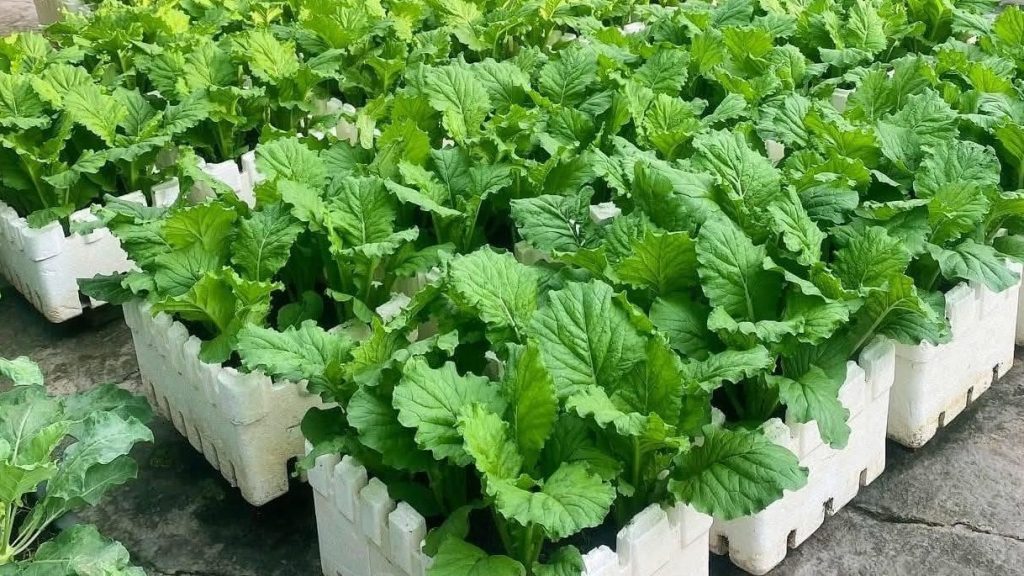
If your backyard is small, consider container gardening. Large pots, grow bags, and other suitable containers can be used to grow vegetables on patios, balconies, or small outdoor spaces.
Start with the method that feels easiest for you. A small garden that is well cared for is often better than a large garden that becomes difficult to manage.
3. Prepare the Soil
Healthy soil is one of the most important foundations of a successful vegetable garden. Before planting, remove weeds, grass, rocks, and other debris from the growing area.
Loosen compacted soil with a garden fork or shovel. Adding organic matter, such as compost or well-aged manure, can improve soil structure and provide nutrients for plants.
If possible, consider testing your soil before planting. A soil test can provide information about pH and nutrient levels, helping you understand whether your soil needs amendments.
Avoid adding large amounts of fertilizer without knowing what your soil actually needs. Too much fertilizer can create nutrient imbalances and may damage plants.
For beginners, adding good-quality compost and maintaining healthy soil over time is often a simple place to start.
4. Select Easy Vegetables for Beginners
When learning how to start a vegetable garden in your backyard, it is best to begin with vegetables that are relatively easy to grow.
Some beginner-friendly choices include:
- Lettuce
- Radishes
- Green beans
- Peas
- Carrots
- Cucumbers
- Zucchini
- Cherry tomatoes
- Kale
- Swiss chard
Choose vegetables that your family enjoys eating. There is little benefit in growing crops that you will not use.
You should also consider your local climate and growing season. Some vegetables prefer cool weather, while others need warm temperatures. Check the recommended planting times for your area before purchasing seeds or seedlings.
Starting with five or six types of vegetables can make your first garden easier to manage.
5. Plan Your Garden Layout
Before planting, make a simple garden plan. Consider how much space each vegetable needs and how tall the plants will become.
Place taller plants where they will not block sunlight from shorter crops. For example, tomatoes or trellised cucumbers should not shade smaller plants that require full sun.
Avoid planting vegetables too close together. Crowded plants compete for water, nutrients, and sunlight. Good spacing also improves air circulation and can help reduce some plant disease problems.
You can use plant labels to mark where each vegetable is planted. Keeping a simple garden journal can also help you remember planting dates, varieties, and observations throughout the season.
6. Plant Seeds or Seedlings
Once your garden is prepared, it is time to plant. Some vegetables are easy to grow directly from seeds, while others are often started indoors or purchased as young plants.
Follow the instructions on the seed packet for planting depth and spacing. Planting seeds too deeply can make it difficult for seedlings to emerge.
If you are using seedlings, handle them gently when transplanting. Water them after planting to help settle the soil around their roots.
Do not rush to plant warm-season vegetables before the weather is suitable. Tomatoes, peppers, cucumbers, and similar crops can be sensitive to cold temperatures.
7. Water Your Garden Properly
Newly planted seeds and seedlings need consistent moisture to establish healthy roots. However, watering too much can be just as problematic as watering too little.
Check the soil regularly by touching the surface with your finger. If the soil feels dry several inches below the surface, your plants may need water.
Water deeply rather than giving plants frequent, shallow watering. Whenever possible, water near the base of plants instead of constantly wetting the leaves.
Morning is generally a good time to water because plants have time to absorb moisture during the day, and foliage can dry more quickly.
The exact watering needs of your garden will depend on your climate, soil, rainfall, and the types of vegetables you grow.
8. Add Mulch to Protect the Soil
Mulching is a simple way to make vegetable garden maintenance easier. Organic mulch, such as straw, shredded leaves, or untreated grass clippings, can help conserve soil moisture and reduce weed growth.
Apply a layer of mulch around plants while keeping it slightly away from the stems. As organic mulch breaks down, it can also contribute organic matter to the soil.
Mulch is particularly helpful during hot or dry weather because it can slow moisture loss from the soil.
9. Monitor Plants and Control Weeds
A successful vegetable garden requires regular observation. Spend a few minutes checking your plants several times a week.
Look for signs of insect damage, unusual spots on leaves, yellowing foliage, or other changes. Catching problems early can make them easier to manage.
Remove weeds while they are still small. Weeds compete with vegetables for water, sunlight, and nutrients. Regular hand-pulling or shallow cultivation can help keep them under control.
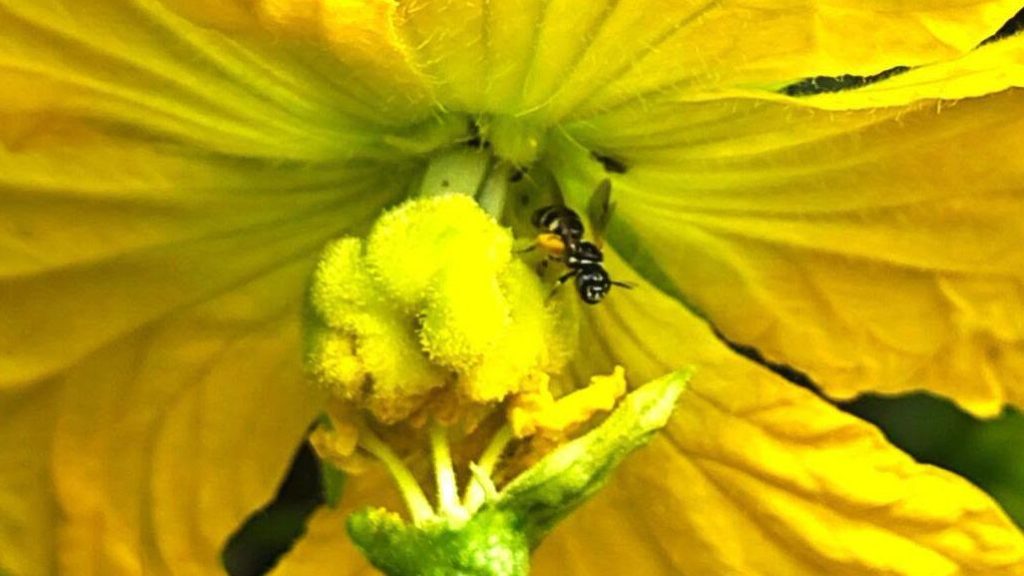
If you notice insects, identify the pest before taking action. Some insects are beneficial and can help pollinate plants or control harmful pests naturally.
10. Harvest Vegetables at the Right Time
One of the most enjoyable parts of having a backyard vegetable garden is harvesting your own food.
Harvest vegetables according to their individual needs. Leafy greens can often be picked gradually, while beans and zucchini are usually best harvested when they are young and tender.
Tomatoes can be harvested when they reach the desired color and stage of ripeness. Root vegetables such as carrots and radishes can be gently pulled from the soil when they reach a suitable size.
Regular harvesting can encourage some plants to continue producing. It also gives you the opportunity to enjoy vegetables when they are fresh.
Final Thoughts on Starting a Backyard Vegetable Garden
Learning how to start a vegetable garden in your backyard is easier when you begin with a simple plan. Choose a sunny location, prepare healthy soil, select vegetables that suit your climate, and plant only what you can comfortably maintain.
You do not need a perfect garden to enjoy the benefits of growing your own food. Every season provides an opportunity to learn something new about soil, plants, watering, pests, and harvesting.
Start small, pay attention to your plants, and make adjustments as you gain experience. With patience and regular care, your backyard can become a productive garden that provides fresh vegetables and a rewarding connection to the growing process.