Fenugreek, also known as methi, is a fast-growing annual herb that is easy to grow from seed. Both the fresh leaves and mature seeds are commonly used in cooking, making fenugreek a useful addition to a home herb garden.
If you are wondering how to grow fenugreek, the process is relatively simple. Fenugreek grows best in well-draining soil, plenty of sunlight, and mild to warm temperatures. With proper care, you can harvest young fenugreek leaves within a few weeks and allow the plants to mature if you want to collect the seeds.
1. Choose the Right Time to Grow Fenugreek
Fenugreek grows best in mild to warm weather. The ideal temperature range is approximately 50°F to 90°F (10°C to 32°C).
In cooler climates, plant fenugreek in spring after the risk of hard frost has passed. In warmer regions, fenugreek can be grown during the cooler months of fall, winter, or early spring.
Avoid growing fenugreek during periods of extreme heat. High temperatures can cause the plants to flower quickly, which may reduce the quality of the leaves.
For a continuous supply of fresh leaves, sow new fenugreek seeds every two to three weeks during the growing season.
2. Select a Sunny Location
Fenugreek grows best in a location that receives 4 to 6 hours of direct sunlight per day. Full sun encourages healthy growth, although the plants can tolerate partial shade.
If you live in a hot climate, providing some afternoon shade can help protect the plants from excessive heat.
When growing fenugreek indoors, place the container near a bright, sunny window. Good air circulation is also important, especially when growing several plants close together.
3. Prepare the Soil
The best soil for growing fenugreek is fertile, loose, and well-draining. Fenugreek does not grow well in soil that stays wet for long periods.
Before planting, loosen the soil to a depth of about 6 to 8 inches. Remove weeds and large stones, then mix in compost or well-rotted organic matter to improve soil fertility.
Fenugreek generally grows well in slightly acidic to neutral soil, with a pH between approximately 6.0 and 7.0.
If you are growing fenugreek in a container, use a quality potting mix and choose a pot with drainage holes.
4. Plant Fenugreek Seeds
The easiest way to grow fenugreek is by sowing seeds directly into the soil.
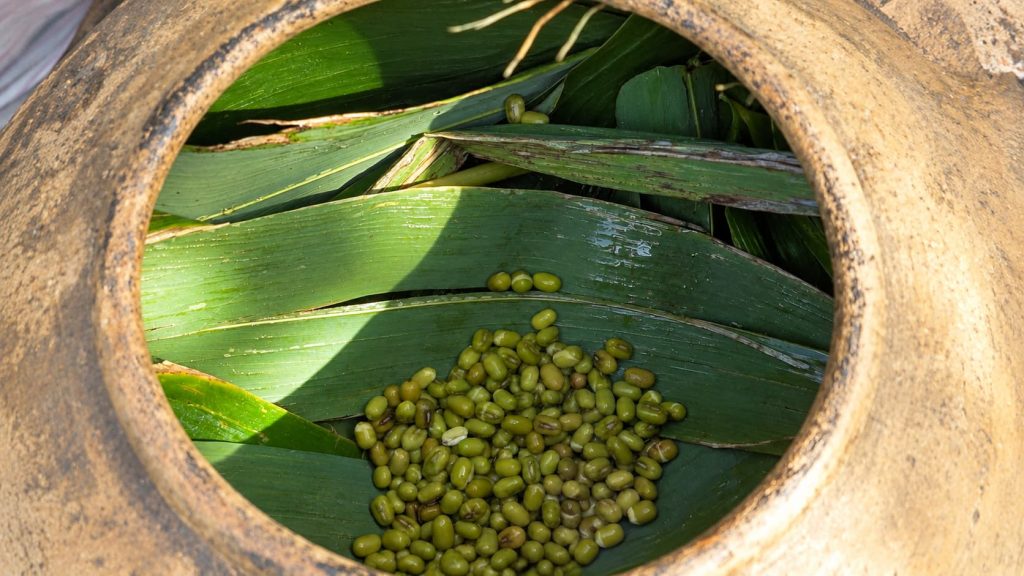
For faster germination, you can soak the seeds in water for several hours or overnight before planting. This step is optional but may help soften the hard seed coating.
Sow fenugreek seeds about ¼ to ½ inch deep. If you are growing fenugreek mainly for fresh leaves, space the seeds approximately 1 to 2 inches apart.
For larger plants grown for seed production, leave more space between plants.
After planting, lightly cover the seeds with soil and water gently. Keep the soil moist but not waterlogged.
Fenugreek seeds can germinate in approximately 3 to 10 days under suitable growing conditions.
5. Water Fenugreek Properly
Consistent moisture is important when growing fenugreek, especially during germination and early growth.
Water the plants when the top layer of soil begins to feel slightly dry. The exact watering schedule depends on your climate, soil, and whether you are growing fenugreek in the ground or in containers.
Avoid overwatering. Soil that remains constantly wet can lead to root problems and poor plant growth.
Container-grown fenugreek may need more frequent watering because containers tend to dry out faster than garden soil.
A thin layer of organic mulch can help maintain soil moisture and reduce weed growth.
6. Fertilize Fenugreek
Fenugreek does not require heavy fertilization when planted in fertile soil.
Adding compost before planting is often enough to support healthy growth. If the plants appear weak or pale, you can apply a balanced fertilizer according to the product instructions.
Avoid excessive fertilizer, particularly high-nitrogen products. Too much nitrogen may encourage excessive leafy growth without being necessary for healthy seed production.
For most home gardens, maintaining fertile soil and providing adequate sunlight and water are more important than frequent fertilization.
7. Harvest Fenugreek Leaves
One of the main reasons gardeners grow fenugreek is for its fresh leaves.
You can usually begin harvesting young leaves when the plants reach approximately 4 to 6 inches tall. Cut the outer leaves or trim the upper portion of the plant, but avoid removing all the foliage at once.
Young fenugreek leaves are tender and have a milder flavor. Regular harvesting can provide a continuous supply of fresh leaves while allowing the plants to continue growing.
Fresh fenugreek leaves can be used in curries, soups, vegetable dishes, flatbreads, and other recipes.
If you want a continuous harvest, sow new seeds every few weeks rather than planting all your seeds at the same time.
8. How to Grow Fenugreek in Containers
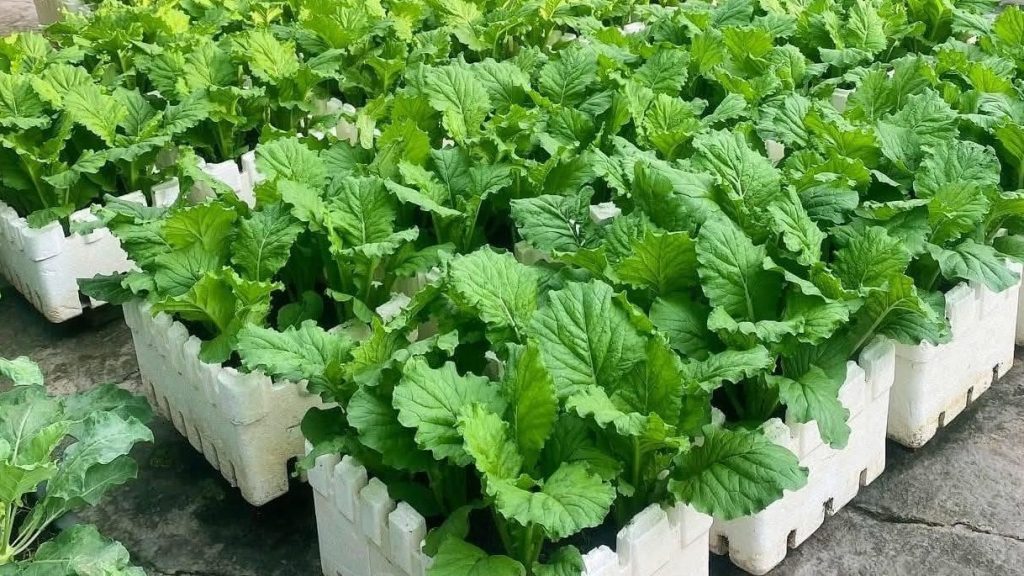
Fenugreek is well suited to container gardening, making it a good choice for balconies, patios, and small outdoor spaces.
Choose a container that is at least 6 to 8 inches deep and has drainage holes. Fill it with a well-draining potting mix and sow the seeds directly into the container.
Place the pot in a sunny location where the plants can receive several hours of direct sunlight each day.
Keep the soil lightly moist and water when the surface begins to dry. Make sure excess water can drain from the bottom of the container.
Because fenugreek grows quickly, you can grow several batches in containers throughout the season and harvest the young leaves regularly.
9. How to Harvest Fenugreek Seeds
If you want to harvest fenugreek seeds instead of only fresh leaves, allow the plants to mature.
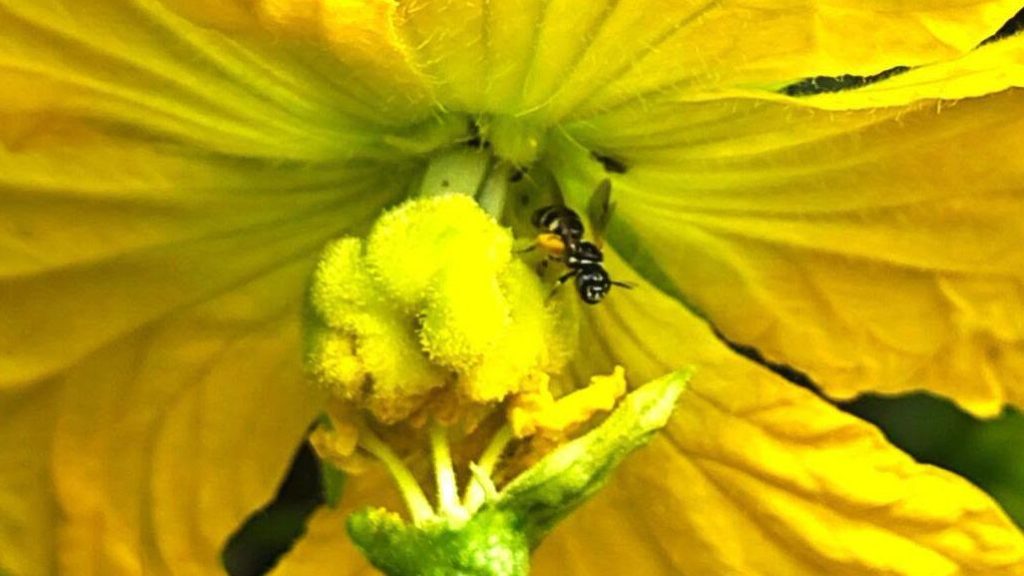
After flowering, fenugreek produces narrow seed pods. Leave the plants in the garden until the pods begin to dry.
Once the pods are dry, harvest them and allow them to finish drying in a cool, dry, well-ventilated area if necessary.
Open the dried pods and collect the seeds. Store the seeds in an airtight container in a cool, dry, dark place.
You can use the harvested seeds for cooking or save some healthy seeds for planting during the next growing season.
10. Common Problems When Growing Fenugreek
Although fenugreek is easy to grow, a few common problems can occur.
Poor germination: Seeds may fail to germinate because they are old, planted too deeply, or exposed to dry soil. Use fresh seeds and maintain consistent moisture.
Yellow leaves: Yellowing can result from overwatering, poor drainage, nutrient deficiencies, or insufficient sunlight.
Weak or leggy plants: Fenugreek plants may become weak and stretched when they do not receive enough sunlight.
Early flowering: Excessive heat can cause fenugreek to flower earlier than expected. If you are growing it mainly for leaves, plant during cooler weather.
Root problems: Poor drainage and constantly wet soil can damage the roots. Use well-draining soil and avoid excessive watering.
Final Thoughts on How to Grow Fenugreek
Learning how to grow fenugreek is simple, even if you have limited gardening experience. Start with fresh seeds, plant them in fertile and well-draining soil, and provide several hours of sunlight each day.
Keep the soil consistently moist without overwatering, and harvest young leaves when the plants are about 4 to 6 inches tall. If you want fenugreek seeds, allow the plants to flower and develop dry seed pods before harvesting.
With its fast growth and simple care requirements, fenugreek is an excellent herb for home gardens and container growing. By planting new seeds regularly, you can enjoy a steady supply of fresh fenugreek leaves throughout the growing season.