Dragon fruit can be surprisingly productive when it receives the right growing conditions and regular care. However, simply planting a cutting and waiting for fruit is not always enough. Sunlight, watering, soil drainage, pruning, nutrition, pollination, and plant support all influence how well a dragon fruit plant flowers and produces fruit.
If your goal is to harvest more dragon fruit, focus on building a strong plant first. Healthy stems with good airflow and plenty of sunlight are more likely to produce abundant flowers and support developing fruit.
Choose a Good Planting Location
Dragon fruit grows best in a warm location with plenty of sunlight. Choose an area that receives around six or more hours of direct sunlight each day when possible.
Good sunlight helps the plant produce energy for vigorous growth and flowering. A location with some protection from strong winds can also be helpful because mature dragon fruit plants can become heavy as their stems spread.
Avoid planting in areas where water collects after rain. Poor drainage can damage the roots and increase the risk of stem and root problems.
Start With Healthy Planting Material
Healthy cuttings are one of the best ways to establish productive dragon fruit plants. Choose a mature, disease-free stem with firm green tissue and no obvious signs of rot or insect damage.
Allow a fresh cutting to dry and form a callus before planting. This can reduce the risk of problems developing around the cut surface.
Once planted in suitable soil, the cutting can gradually develop roots and new growth. Strong establishment is important because a weak root system may limit future flowering and fruit production.
Give Dragon Fruit Strong Support
Dragon fruit is a climbing cactus that needs support as it grows. A sturdy post, trellis, or similar structure allows the plant to climb upward and eventually spread its branches.
A common approach is to train the main stem upward and allow several healthy branches to develop near the top. These branches can hang or spread outward, creating a productive canopy.
Strong support also makes pruning, flowering, and harvesting easier. Make sure the structure can support the increasing weight of mature stems and fruit.
Provide Well-Drained Soil
Dragon fruit does not perform well in constantly waterlogged soil. Good drainage is especially important during rainy periods.
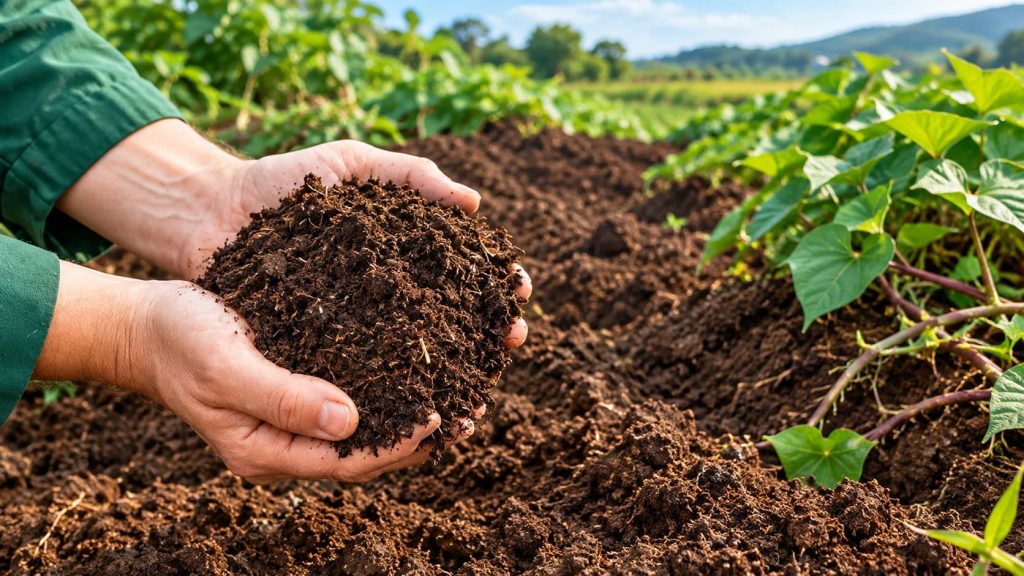
A loose growing medium that drains excess water while retaining some moisture is generally preferable. In heavy soil, improving drainage before planting can make a major difference.
Adding suitable organic matter can improve soil structure, but avoid creating a planting area that holds water around the roots.
Water Correctly
Although dragon fruit is a cactus, it still needs water for active growth and fruit development. The goal is to provide enough moisture without keeping the root zone continuously wet.
During hot and dry periods, water deeply when the soil has begun to dry. Plants growing in containers may need more frequent attention because containers can dry out faster.
Reduce unnecessary watering during prolonged rainy weather. Always consider the soil, rainfall, temperature, and plant growth rather than following a rigid schedule.
Fertilize for Healthy Growth and Fruit Production
Dragon fruit benefits from balanced nutrition, particularly when plants are actively growing and producing flowers.
Young plants need enough nutrients to establish strong stems and roots. Mature plants require continued nutrition to support flowering and fruit development.
Avoid applying excessive fertilizer. Too much nitrogen can encourage vigorous green growth without necessarily producing more flowers and fruit.
A balanced fertilizer combined with organic matter can be useful when applied according to soil conditions and product recommendations. If possible, a soil test can help determine which nutrients are actually needed.
Prune for More Productive Growth
Pruning is one of the most useful practices for mature dragon fruit plants. Without pruning, plants can become crowded with long, tangled stems.
Remove dead, damaged, weak, or diseased growth first. Then thin overcrowded branches so sunlight and air can reach more of the plant.
Allow several strong branches to form a productive canopy rather than letting every new shoot remain. A manageable plant is easier to inspect, fertilize, pollinate, and harvest.
Prune at an appropriate time for your local growing conditions and avoid removing too much healthy growth at once.
Encourage Flowering
Dragon fruit needs suitable conditions to flower well. Plenty of sunlight, adequate nutrition, and proper watering all contribute to flowering.
A mature plant that receives insufficient sunlight may produce lots of stems but fewer flowers. Moving a container-grown plant to a brighter location can sometimes improve its performance.
Avoid excessive nitrogen during the period when you want to encourage flowering. Maintaining healthy but controlled vegetative growth can help direct the plant’s energy toward reproductive growth.
Improve Pollination
Good pollination is essential for fruit development. Depending on the dragon fruit variety, flowers may be self-compatible or may benefit from pollen from another compatible plant.
Dragon fruit flowers often open at night, so pollination conditions are different from many common garden crops. In areas with limited natural pollinators, hand pollination can be useful.
Using a clean, soft brush, pollen can be transferred between flowers when they are open. If growing more than one compatible variety, having plants nearby may provide additional opportunities for cross-pollination.
Thin Excess Fruit When Necessary
A healthy dragon fruit plant may produce more flowers and young fruit than it can support effectively. If too many fruits develop on a single branch, they may compete for available resources.
Removing some weak or poorly positioned young fruit can allow the remaining fruit to develop more evenly. This is particularly useful on young plants or branches carrying a heavy crop.
Do not expect maximum fruit numbers from a very young plant. Allowing the plant to develop a strong framework first can lead to better production over time.
Protect Plants From Pests and Diseases
Pests and diseases can reduce plant vigor and interfere with flowering and fruit development. Inspect stems, new growth, flowers, and fruit regularly.
Look for mealybugs, scale insects, aphids, unusual spots, soft stems, or signs of rot. Remove badly damaged plant material and improve airflow when necessary.
Good drainage, proper pruning, clean tools, and avoiding unnecessary moisture on the plant can reduce many common problems.
For additional information on overall growing practices, refer to this dragon fruit growing guide for a broader approach to planting, care, and harvesting.
Be Patient With Young Plants
One of the biggest mistakes gardeners make is expecting a newly planted dragon fruit cutting to produce a large crop immediately.
The plant needs time to establish roots, develop strong stems, reach maturity, and build enough energy for flowering. Giving it consistent care during this stage is often more valuable than trying to force fruit production.
Once the plant reaches maturity and has a strong structure, good sunlight and proper management can help it produce flowers and fruit more consistently.
Final Tips for More Dragon Fruit
Producing more dragon fruit is mainly about maintaining the right balance. Give the plant plenty of sunlight, well-drained soil, appropriate water, strong support, and balanced nutrition.
Prune crowded growth, encourage good airflow, monitor pests, and pay attention to pollination when flowers appear. Avoid excessive fertilizer and watering, as more is not always better.
With consistent care, a mature dragon fruit plant can become highly productive. Building a strong plant first and managing it throughout the growing season is one of the most reliable ways to improve flowering, fruit development, and long-term harvests.