Learning how to grow a Cast Iron Plant indoors is a great choice for beginners who want an attractive houseplant without a complicated care routine. Cast iron plants are known for their tough nature, attractive foliage, and ability to tolerate conditions that can challenge many other indoor plants.
With the right pot, soil, light, and watering routine, a Cast Iron Plant can grow happily indoors for many years.
What Is a Cast Iron Plant?
The Cast Iron Plant is the common name for Aspidistra elatior, a long-lived evergreen plant native to East Asia. It produces long, upright leaves from underground rhizomes and is valued primarily for its foliage.
The leaves are typically dark green, although some cultivated varieties have variegated patterns.
Unlike many tropical-looking houseplants, Cast Iron Plants do not require intense sunlight or constant attention. Their ability to tolerate lower-light conditions makes them especially useful for rooms where other plants may struggle.
Choose the Right Indoor Location
The first step in growing a Cast Iron Plant indoors is choosing a suitable location.
Cast Iron Plants generally prefer bright, indirect light to low light. They can tolerate considerably less light than many popular houseplants.
A few good locations include:
- A bright room away from direct sunlight
- Near a north-facing window
- Several feet from a brighter window
- An office with moderate natural light
- A room with filtered daylight
Avoid placing the plant directly against a window where strong sunlight can heat the leaves.
Although Cast Iron Plants tolerate low light, extremely dark locations may result in slower growth.
Use Well-Draining Potting Soil
Good soil helps prevent problems caused by excessive moisture.
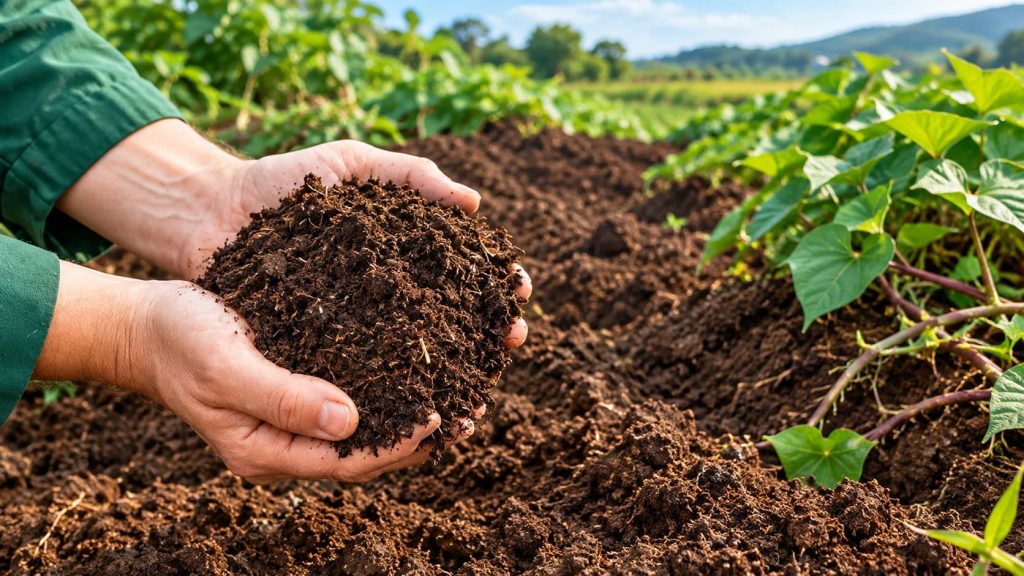
Choose a quality indoor potting mix that drains reasonably well. You can improve drainage by mixing the potting soil with materials such as perlite.
The soil should hold enough moisture for the roots but allow excess water to move away easily.
Avoid heavy garden soil for indoor containers because it may become compacted and drain poorly.
Pick a Pot With Drainage Holes
A suitable container is just as important as the soil.
Choose a pot with drainage holes at the bottom. This allows excess water to escape after watering.
When repotting, avoid immediately moving the plant into a very large container. Excess soil around the roots can stay wet for longer than necessary.
A pot only slightly larger than the existing root system is often a practical choice.
How Often Should You Water a Cast Iron Plant?
Cast Iron Plants are relatively forgiving when it comes to watering, but they still perform best with sensible moisture management.
Allow the upper portion of the soil to dry somewhat before watering again.
Insert your finger into the soil. If the surface and upper layer feel dry, it may be time to water.
When watering, soak the soil thoroughly until some water drains from the bottom of the pot. Allow the excess water to drain completely.
Avoid leaving the plant sitting in water.
During cooler months, the plant may use water more slowly, so check the soil before watering instead of following a fixed weekly schedule.
Temperature and Humidity
Cast Iron Plants are adaptable to typical indoor conditions.
A comfortable room temperature is usually sufficient, but avoid placing the plant directly beside heating vents, air conditioners, or areas with strong drafts.
Average household humidity is generally suitable. Unlike some tropical houseplants, a Cast Iron Plant does not require extremely high humidity to grow indoors.
This makes it a convenient choice for homes and offices with relatively dry indoor air.
Fertilizing a Cast Iron Plant
Cast Iron Plants are not heavy feeders.
During the active growing season, you can provide a balanced houseplant fertilizer according to the product’s label instructions.
Avoid applying excessive fertilizer. More fertilizer does not necessarily mean faster or healthier growth and can lead to an accumulation of salts in the soil.
During periods of slower growth, particularly in winter, fertilizing can usually be reduced or paused.
How Fast Does a Cast Iron Plant Grow?
One thing beginners should know is that Cast Iron Plants are generally slow-growing.
Do not be concerned if your plant does not produce new leaves every few weeks.
Healthy growth may be gradual, especially when the plant is kept in lower light.
Consistent care is more important than trying to force rapid growth with additional fertilizer or frequent repotting.
Give the plant time to establish its root system and produce new foliage naturally.
Repotting a Cast Iron Plant
Cast Iron Plants do not need frequent repotting.
You may consider repotting when the plant has become noticeably root-bound, the roots are filling the container, or the potting mix has deteriorated.
When repotting:
- Choose a container with drainage holes.
- Use fresh, well-draining potting mix.
- Carefully remove the plant from its existing pot.
- Check the roots for obvious problems.
- Place the plant at approximately the same depth.
- Fill around the roots with fresh soil.
- Water lightly and allow excess water to drain.
Because the plant grows from underground rhizomes, handle the root system carefully during the process.
Pruning and General Maintenance
One of the advantages of a Cast Iron Plant is that it requires very little pruning.
Remove leaves that are completely yellow, brown, damaged, or dried out. Use clean scissors or pruning shears and cut the leaf near its base.
You can also gently wipe dusty leaves with a soft, damp cloth. Clean foliage can improve the plant’s appearance and allows you to inspect the leaves more easily.
Avoid cutting healthy leaves simply to change the plant’s shape.
Common Problems
Even though Cast Iron Plants are tough, they can still experience problems when growing conditions are unsuitable.
Yellow Leaves
Yellowing can have several causes, but consistently wet soil is one condition worth checking first.
Make sure the container drains properly and allow the soil to dry somewhat between waterings.
Brown Leaf Tips
Brown tips may be associated with inconsistent watering, dry conditions, accumulated salts, or other environmental factors.
Check the soil moisture and overall growing environment before making major changes.
Drooping Leaves
Drooping may occur when the plant is thirsty, stressed by environmental changes, or growing in overly wet soil.
Check the soil before watering again.
Faded Leaves
Strong direct sunlight can cause foliage to lose its deep green appearance.
Move the plant to a location with filtered or indirect light if necessary.
How to Keep a Cast Iron Plant Healthy Indoors
The best care routine is simple:
- Provide low to bright indirect light.
- Use well-draining potting soil.
- Choose a pot with drainage holes.
- Water when the upper soil begins to dry.
- Avoid prolonged standing water.
- Fertilize moderately during active growth.
- Remove damaged leaves when necessary.
- Keep the plant away from harsh drafts and extreme temperatures.
- Be patient with its naturally slow growth.
Final Thoughts
Growing a Cast Iron Plant indoors is relatively straightforward, making it an excellent option for beginners. It can tolerate lower light, does not require constant watering, and generally adapts well to ordinary indoor conditions.
The most important things are providing suitable drainage, avoiding overwatering, and choosing a location with indirect light.
With consistent care and a little patience, this durable houseplant can remain an attractive part of an indoor garden for many years.