The ZZ Plant is one of the easiest houseplants to grow, making it an excellent choice for beginners. Its glossy green leaves, upright growth, and ability to tolerate low light make it a popular plant for homes, apartments, offices, and bedrooms. With the right pot, soil, light, and watering routine, a ZZ Plant can stay healthy and attractive with very little maintenance.
What Is a ZZ Plant?
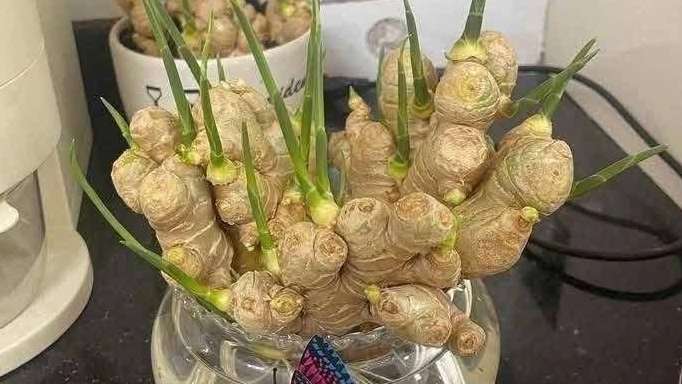
The ZZ Plant, scientifically known as Zamioculcas zamiifolia, is a tropical perennial native to eastern Africa. It grows from thick underground rhizomes that store water, which helps the plant survive periods of drought.
Unlike many tropical houseplants, ZZ Plants do not need frequent watering or constant attention. Their natural ability to store moisture makes them especially suitable for people who sometimes forget to water their plants.
When grown indoors, a ZZ Plant usually develops several upright stems covered with thick, glossy leaflets. Mature plants can become quite full and make an attractive green accent in almost any room.
Choose the Right Location
Choosing a suitable location is one of the first steps when growing a ZZ Plant.
ZZ Plants tolerate a wide range of indoor lighting conditions, but bright, indirect light is generally best. Place the plant near a window where it receives plenty of natural light without being exposed to strong direct afternoon sunlight for long periods.
Low light is also tolerated. However, a ZZ Plant growing in very low light may develop more slowly and produce fewer new stems.
Good locations include:
- A bright living room near a window
- A bedroom with filtered natural light
- An office with indirect daylight
- A hallway that receives some natural light
Avoid placing the plant directly against a hot, sunny window. Strong sunlight can scorch the leaves, especially when the plant has not been gradually exposed to brighter conditions.
Choose a Suitable Pot
A good container should have drainage holes at the bottom. This is especially important because ZZ Plants are sensitive to consistently wet soil.
Choose a pot that is only slightly larger than the plant’s root system. An oversized container can hold too much moisture around the roots and increase the risk of root problems.
If your ZZ Plant comes in a plastic nursery pot, you can place that pot inside a decorative container. Just remember to empty excess water after watering instead of allowing the plant to sit in standing water.
As the plant grows, repot it into a slightly larger container rather than moving it into a very large pot all at once.
Use Well-Draining Soil
ZZ Plants prefer soil that drains efficiently. A standard indoor potting mix can work well when combined with materials that improve drainage.
A simple mixture can include:
- Indoor potting soil
- Perlite
- Coarse sand or another drainage material
The goal is to create a growing medium that holds enough moisture for the roots but does not remain soggy for long periods.
Avoid heavy garden soil for indoor ZZ Plants. Dense soil can restrict drainage and keep the roots wet for too long.
How to Plant a ZZ Plant
Planting a ZZ Plant is relatively simple.
First, choose a container with drainage holes and add a layer of well-draining potting mix. Carefully remove the plant from its existing container and check the root area.
Place the root ball in the new pot so that the top of the root system remains at approximately the same depth as before. Fill the space around the roots with fresh soil and gently press it into place.
Do not pack the soil too tightly. The roots need access to air as well as moisture.
After planting, water lightly and allow excess water to drain completely from the bottom of the container.
How Often Should You Water a ZZ Plant?
Watering is one of the most important parts of ZZ Plant care.
The plant prefers to dry out between waterings. Instead of following a strict weekly schedule, check the soil before watering.
Insert your finger into the top few inches of soil. If the soil feels dry, it is generally time to water. If it still feels moist, wait longer.
When watering, thoroughly moisten the soil until water begins to drain from the bottom of the pot. Then allow the excess water to escape.
During the warmer months, the plant may need water more often. In cooler or darker conditions, it may use much less water.
Overwatering is one of the most common problems with ZZ Plants. Frequent watering can leave the roots in constantly wet soil and may eventually cause root damage.
How to Fertilize a ZZ Plant
ZZ Plants are relatively slow-growing and do not require heavy feeding.
During the active growing season, you can use a balanced, diluted houseplant fertilizer occasionally. Follow the fertilizer label for the recommended dilution and application frequency.
There is no need to fertilize a ZZ Plant when the soil is already dry or when the plant is experiencing stress. Water the plant appropriately first and avoid excessive fertilizer.
Too much fertilizer can cause salt buildup in the soil and damage the roots.
Pruning and Cleaning
ZZ Plants generally require very little pruning.
Remove yellow, damaged, or unhealthy leaves with clean pruning shears. If a stem becomes damaged or grows in an unwanted direction, you can cut it near the base.
Regularly wiping dust from the leaves can also improve the plant’s appearance. Use a soft, damp cloth and gently clean the leaf surfaces.
Avoid aggressive pruning simply to make the plant grow faster. ZZ Plants naturally grow at a moderate pace, especially indoors.
How to Repot a ZZ Plant
A ZZ Plant usually needs repotting when it becomes root-bound, the rhizomes fill much of the container, or the plant becomes difficult to keep stable.
When repotting, choose a container only one size larger than the current pot. Carefully remove the plant, loosen any tightly packed roots if necessary, and transfer it into fresh, well-draining soil.
The best time to repot is generally during the active growing season because the plant can recover more easily.
After repotting, provide suitable indirect light and avoid excessive watering while the plant adjusts.
Common ZZ Plant Problems
Although ZZ Plants are easy to care for, a few problems can occur.
Yellow leaves: This can be associated with excessive moisture, especially when several leaves begin turning yellow at the same time. Check the soil and drainage before watering again.
Brown or crispy leaves: Dry conditions, strong direct sunlight, or inconsistent care may contribute to brown leaf edges.
Slow growth: ZZ Plants naturally grow slowly indoors. Insufficient light can make growth even slower.
Soft or damaged stems: Excess moisture around the roots can be a warning sign. Check the soil moisture and make sure the container drains properly.
The key is to look at the overall growing conditions rather than changing several things at once.
Tips for Growing a Healthy ZZ Plant
For beginners, keeping the care routine simple is often the best approach.
Give your ZZ Plant bright, indirect light when possible, use well-draining soil, and allow the soil to dry between waterings. Keep the plant away from prolonged harsh sunlight and make sure the pot has drainage holes.
It is also helpful to observe the plant regularly. New shoots, firm stems, and healthy green leaves are generally signs that the growing conditions are suitable.
Most importantly, resist the temptation to water too frequently. ZZ Plants are designed to handle dry periods much better than constantly wet soil.
Final Thoughts
Growing a ZZ Plant is a straightforward project for beginners. Its tolerance of lower light, drought-resistant rhizomes, and relatively slow growth make it one of the more forgiving indoor plants.
With well-draining soil, a suitable container, indirect light, and careful watering, your ZZ Plant can remain healthy and attractive for years. Once you understand its basic needs, you will find that this houseplant requires surprisingly little daily attention.