If you have ever wondered why an orchid grows plenty of leaves but refuses to bloom, light is one of the first things I would check. Orchids are often called low-light plants, but that description can be misleading. They do need protection from harsh direct sun, yet most orchids need much more light than a dark corner of the house can provide.
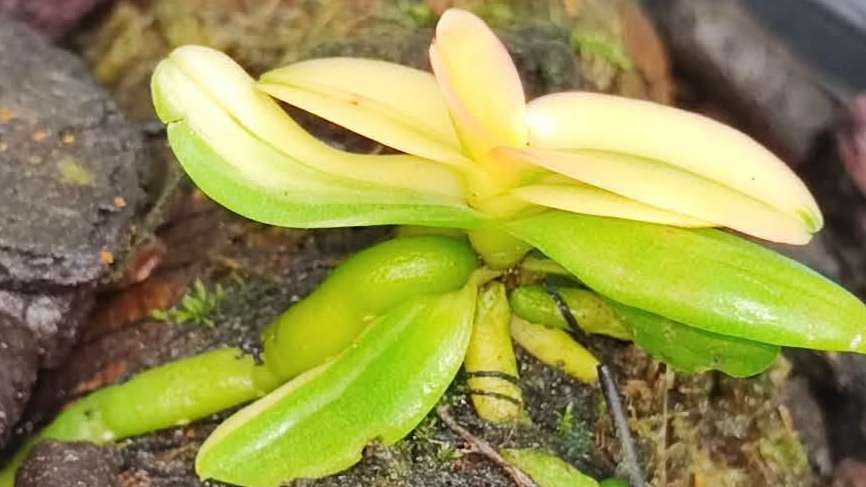
Getting the light right can make a noticeable difference. With enough light, an orchid can produce healthy leaves, strong roots, and, when the plant is mature enough, beautiful flowers.
So, how much light do orchids need? The answer depends on the type of orchid, the season, and the conditions inside your home.
How Much Light Do Orchids Need?
Most commonly grown orchids prefer bright, indirect light for several hours each day. A spot near an east- or south-facing window can work well, although the amount of direct sunlight should be adjusted depending on the season and your climate.
As a general guide, many popular orchids do well with around 10 to 12 hours of bright light per day. They do not necessarily need strong sunlight shining directly on their leaves all day.
Think of it this way: orchids generally want plenty of light, but they don’t want to sit in intense afternoon sunshine and get overheated.
A simple way to understand orchid light requirements is to look at the plant itself. Healthy leaves can tell you a lot about whether the lighting is working.
What Does Bright, Indirect Light Mean?
Bright, indirect light means the orchid receives plenty of natural light without sitting directly under strong sunlight for long periods.
For example, you might place an orchid:
- Near an east-facing window
- A few feet from a bright south-facing window
- Near a west-facing window with a sheer curtain
- In a bright room where sunlight is filtered through curtains
An orchid sitting several feet away from a sunny window may actually receive better conditions than one placed directly against the glass.
If your window receives intense afternoon sun, a sheer curtain can soften the light while still allowing plenty of brightness into the room.
Can Orchids Grow in Low Light?
Orchids can survive in relatively low light, but surviving and thriving are two different things.
When there isn’t enough light, an orchid may continue producing green leaves, so it can appear healthy at first. However, flowering can become less frequent or stop altogether.
The plant may also grow slowly and produce thin, weak new growth.
This is one reason people sometimes assume that their orchid is simply “not a flowering plant anymore.” In reality, the problem may be as simple as insufficient light.
If your orchid has healthy roots and leaves but hasn’t bloomed for a long time, try moving it gradually to a brighter location.
Signs Your Orchid Is Getting Enough Light
The leaves are probably the easiest place to start.
For many common orchids, healthy leaves are typically medium green rather than extremely dark green.
If the leaves have a reasonably firm texture and the plant is producing new growth, the lighting may be suitable.
Another encouraging sign is flowering. While light isn’t the only factor that affects blooming, adequate light gives an orchid the energy it needs to support flower production.
Different orchid species can naturally have somewhat different leaf colors, so don’t judge the plant by color alone. Look at its overall growth and flowering behavior.
Signs Your Orchid Needs More Light
One of the most common clues is very dark green foliage combined with poor flowering.
Other possible signs include:
- Little or no flowering
- Slow growth
- Long, weak-looking new growth
- Leaves reaching toward the window
- Very long spaces between new growth
If your orchid is growing toward one side of the room, it may be trying to reach a stronger light source.
Instead of suddenly placing it in direct sunlight, move it gradually to a brighter area. Orchids can be sensitive to sudden changes in lighting.
Signs Your Orchid Is Getting Too Much Light
Too much intense sunlight can cause problems too.
If an orchid receives strong direct sun for extended periods, its leaves may develop pale, yellowish, or bleached-looking areas. In more severe cases, the foliage can become damaged.
A plant sitting against a hot window can also become much warmer than the surrounding room.
If you notice signs of excessive sunlight, move the orchid farther away from the window or add a sheer curtain.
Morning sunlight is usually gentler than strong afternoon sunlight, which is why east-facing windows are often an easy choice for orchids.
Best Window Direction for Orchids
The direction of your window can make a big difference.
East-facing windows are often excellent because they provide gentle morning sunlight.
South-facing windows can provide plenty of light, but you may need to filter the strongest sunlight with a curtain or move the orchid farther from the glass.
West-facing windows can also work, although the afternoon sun may be intense. Filtering the light is often helpful.
North-facing windows tend to provide less light. An orchid may do fine there if the room is naturally bright, but some plants may need additional lighting to flower consistently.
Your climate matters too. A south-facing window in a mild northern climate can behave very differently from the same window in a hot, sunny region.
Do Orchids Need Artificial Light?
Yes. Orchids can grow successfully under artificial lights when natural sunlight isn’t enough.
This can be especially useful during winter, in rooms with small windows, or in homes where the available natural light is limited.
A simple LED grow light can provide supplemental lighting. You don’t necessarily need to replace natural sunlight completely if the orchid already receives some daylight.
The important thing is to provide consistent light while avoiding excessive heat. Follow the manufacturer’s recommended distance and schedule for the particular light you use.
A timer can also make the routine easier because orchids benefit from a predictable day-and-night cycle.
How Far Should an Orchid Be From a Window?
There isn’t one perfect distance because every window has different lighting conditions.
Instead of relying on a specific number of feet, pay attention to how bright the area feels and how the orchid responds over several weeks.
If the leaves are very dark and the orchid never flowers, try moving it closer to the light.
If the leaves begin looking bleached or develop signs of sun damage, move it farther away or filter the sunlight.
Making small changes is usually safer than moving the plant from a dark room directly into intense sunshine.
Do Orchids Need Light at Night?
Orchids need a normal period of darkness as well.
You don’t need to keep grow lights running all night. A consistent day-and-night routine is better than leaving artificial lighting on continuously.
For indoor orchids, roughly 10 to 12 hours of light followed by a period of darkness is a useful general starting point. You can adjust this depending on the species, your growing conditions, and the instructions for your grow light.
Final Thoughts
So, how much light do orchids need? For most popular indoor orchids, the sweet spot is bright, indirect light for much of the day, with protection from intense afternoon sunshine.
If your orchid has dark green leaves and rarely flowers, it may need more light. If the leaves are becoming pale or showing signs of sun damage, it may be getting too much.
The best approach is to make gradual adjustments and watch the plant. Once you find a bright spot where the orchid grows steadily without getting scorched, you may notice stronger growth and better flowering over time.
Light isn’t the only part of successful orchid care, but getting it right is one of the best things you can do for a healthy, blooming plant.