Growing fruit at home is rewarding, but waiting years for a harvest can be frustrating. Fortunately, some fast growing fruit trees produce fruit much sooner. With the right variety, growing conditions, and proper care, you may enjoy your first harvest within months. Discover 10 fruit trees that produce fruit quickly and learn how to grow them successfully.
| Fruit Tree | Time to Produce Fruit | Rating |
|---|---|---|
| Papaya | 7–11 months | ⭐⭐⭐⭐⭐ |
| Banana | 10–14 months | ⭐⭐⭐⭐⭐ |
| Mulberry | 6–12 months* | ⭐⭐⭐⭐⭐ |
| Guava | About 12 months* | ⭐⭐⭐⭐ |
| Calamansi | 6–12 months* | ⭐⭐⭐⭐ |
| Strawberry Guava | About 12 months+ | ⭐⭐⭐⭐ |
| Jujube | 1–2 years* | ⭐⭐⭐⭐ |
| Loquat | 1–2 years* | ⭐⭐⭐ |
| Persimmon | 1–2+ years* | ⭐⭐⭐ |
| Pomegranate | 1–2+ years* | ⭐⭐⭐ |
1. Papaya
Papaya is one of the best choices if your main goal is to get fruit quickly. Under warm, favorable conditions, papaya can begin producing fruit in roughly 7 to 11 months.
Papaya is technically a large herbaceous plant rather than a traditional woody tree, but it is commonly grown and described as a fruit tree in home gardening.
It grows rapidly in warm climates and needs plenty of sunlight. Good drainage is especially important because its roots can suffer in waterlogged soil.
For the quickest harvest, start with a healthy nursery plant rather than seeds. Keep the plant warm, provide regular moisture, and avoid planting it in heavy soil.
2. Banana
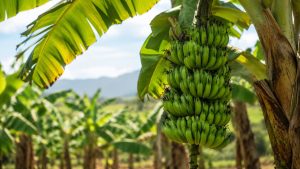
Bananas are another excellent option for gardeners who want fruit relatively quickly. Depending on the variety and growing conditions, a banana plant may produce its first bunch in approximately 10 to 14 months.
Like papaya, banana is technically a giant herb rather than a true tree. However, it is widely treated as a fruit tree in gardening because of its tree-like appearance and fruit production.
Bananas prefer warm temperatures, rich soil, consistent moisture, and plenty of sunlight. Wind protection can also be helpful because large banana leaves can be damaged easily.
After the main plant produces fruit, new shoots called suckers grow from the base. These can eventually replace the older plant and continue the harvest cycle.
3. Mulberry
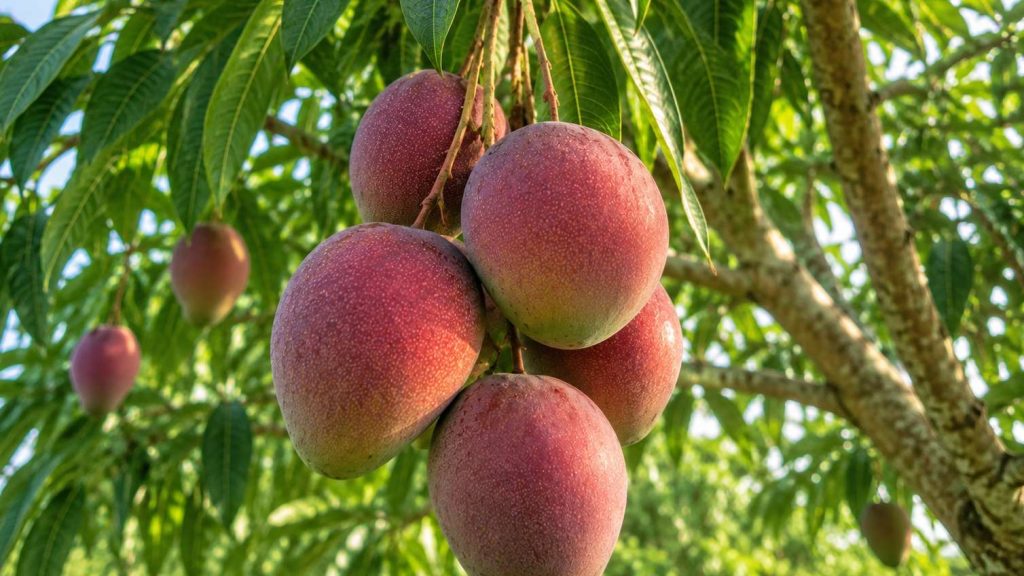
Mulberry trees can be surprisingly fast to fruit, particularly when you purchase a grafted or otherwise established tree. Some mature nursery plants may begin producing fruit within the first year after planting.
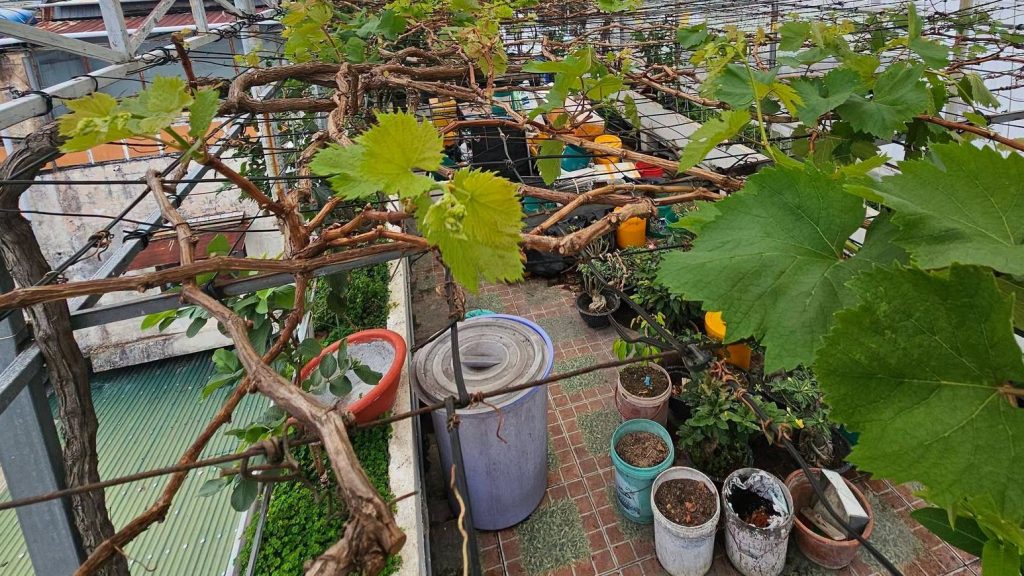
Mulberries are adaptable and can grow in a range of soils as long as drainage is adequate. They generally perform best in full sun.

One advantage of mulberries is that the trees can become productive without requiring complicated care. Once established, they can produce large numbers of berries during the growing season.
When selecting a mulberry for quick fruit production, look for a named variety and a healthy tree from a reputable nursery. Avoid assuming that a seed-grown mulberry will fruit as quickly as an established plant.
4. Guava
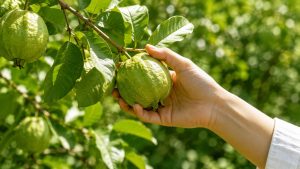
Guava is a popular tropical and subtropical fruit tree that can begin producing relatively early when grown from a mature propagated plant. In favorable conditions, some nursery-grown guava trees can begin fruiting at around one year or slightly longer.
Guava needs warmth and sunlight for strong growth. It also benefits from regular watering during periods of active growth and fruit development.
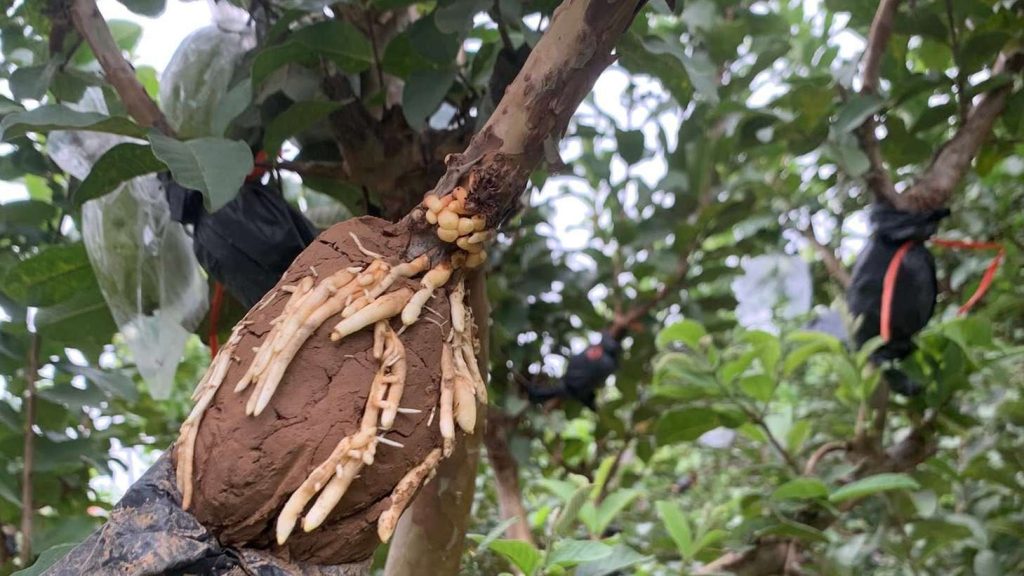
Grafted, air-layered, or otherwise vegetatively propagated guava plants are generally a better choice when the goal is early fruiting. Seed-grown trees can take considerably longer and may not produce fruit identical to the parent plant.
With good care, guava can become a productive addition to a warm-climate home garden.
5. Calamansi
Calamansi, sometimes called Philippine lime, is a small citrus tree known for its small, acidic fruits. It can be an attractive choice for gardeners looking for a compact fruiting tree.
A healthy grafted or established calamansi plant can begin flowering and fruiting relatively quickly, sometimes within 6 to 12 months after planting under suitable conditions.
It prefers full sun, warm temperatures, and well-drained soil. Container growing is also possible, which makes calamansi useful for gardeners with limited space.
Regular watering is important, but the soil should not remain constantly saturated. Light feeding during active growth can also support flowering and fruit production.
6. Strawberry Guava
Strawberry guava is another guava relative that can produce fruit relatively early when grown from an established plant. It produces small, aromatic fruits that are often red or yellow depending on the variety.
A nursery-grown plant may begin producing fruit around one year or more, although the exact timing varies significantly with climate and plant age.
Strawberry guava prefers warm conditions and good sunlight. It can grow as a shrub or small tree, making it suitable for smaller gardens.
For the fastest results, purchase an established plant that has already reached a productive age rather than starting from seed.
7. Jujube
Jujube, also known as Chinese date, is a hardy fruit tree that can become productive relatively quickly when the right plant is selected.
Grafted jujube trees can begin producing fruit much earlier than seed-grown trees. Under favorable conditions, an established grafted plant may produce its first fruit in roughly one to two years.
Jujube trees prefer full sun and are relatively tolerant of dry conditions once established. They are particularly interesting for gardeners who want a fruit tree that can handle warm, relatively dry climates.
Regular watering is still important during establishment and fruit development. Avoid keeping the soil excessively wet.
8. Loquat
Loquat is an evergreen fruit tree that produces small, orange-yellow fruits with a sweet-tart flavor. An established grafted tree can begin fruiting much sooner than one grown from seed.
With a mature nursery plant and favorable conditions, fruit production can begin around one to two years, although this varies by variety, climate, and planting conditions.
Loquat performs well in full sun to partial sun and prefers fertile, well-drained soil. It can become a medium-sized tree, so give it enough space when planting.
Cold weather during flowering can reduce fruit production, so gardeners in cooler regions should choose a protected location.
9. Persimmon
Persimmon trees are not as fast as papaya or banana, but grafted trees can still produce fruit relatively early compared with seed-grown persimmons.
A grafted persimmon may begin producing fruit in approximately one to two years or longer, depending on the variety and the age of the tree when planted.
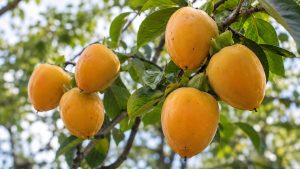
Persimmons prefer full sun and well-drained soil. Avoid excessive nitrogen fertilizer because it can encourage vigorous leafy growth at the expense of fruit production.
If early fruiting is your priority, choose a grafted tree from a nursery rather than growing a persimmon from seed.
10. Pomegranate
Pomegranate is a good choice for warm regions and can begin fruiting relatively early when planted as an established propagated tree.
Depending on the plant’s age and growing conditions, a nursery-grown pomegranate may begin producing fruit in approximately one to two years or more.
Pomegranates perform best in full sun and well-drained soil. They tolerate dry conditions once established, but consistent moisture during establishment and fruit development can support healthier growth.
Avoid excessive pruning while the tree is young. Allow it to develop a strong structure before removing unnecessary branches.
Can You Get Fruit in the First Year?
Yes, some fruiting plants can produce fruit within the first year, but this depends heavily on the plant you purchase.
Papaya, banana, calamansi, and some mulberry plants are among the better choices for gardeners seeking an early harvest. An established plant that is already close to fruiting age can produce much sooner than a seedling.
The first-year harvest may also be smaller than future crops. Give the plant time to establish a strong root system and healthy canopy rather than forcing excessive fruit production from a very young plant.
Final Thoughts
If your priority is a quick harvest, start with fruiting plants that naturally mature early and choose established or grafted specimens whenever possible. Papaya, banana, mulberry, guava, calamansi, strawberry guava, jujube, loquat, persimmon, and pomegranate are all worth considering.
Among these options, papaya and banana are particularly attractive when growing conditions are warm because they can produce fruit in roughly a year or less. Other fruit trees may need one to two years or longer, especially after transplanting.
The fastest path to homegrown fruit is not simply choosing a fast-growing species. Start with the right plant, give it plenty of sunlight, maintain healthy soil and moisture, and choose a variety suited to your climate.
FAQ
What is the fastest growing fruit tree?
Papaya is one of the fastest fruit-producing plants commonly grown in warm climates. Under favorable conditions, it can begin producing fruit in approximately 7 to 11 months.
Which fruit tree produces fruit the fastest?
Papaya is among the fastest choices. Banana, mulberry, and calamansi can also produce relatively quickly when grown from established plants.
Can fruit trees produce fruit in one year?
Yes. Some fruiting plants can produce within one year, especially when you purchase an established or grafted plant rather than starting from seed.
Do grafted fruit trees produce faster?
Usually, yes. Grafted trees are produced from mature fruiting varieties, so they generally reach fruiting age sooner than seed-grown trees.
What fruit tree is easiest to grow?
The easiest choice depends on your climate. Papaya and banana can be relatively easy in warm climates, while jujube and pomegranate can be good options for gardeners who need greater drought tolerance.
How can I make a fruit tree produce fruit faster?
Provide the tree with adequate sunlight, good drainage, appropriate watering, balanced nutrition, and a suitable climate. Starting with a healthy grafted or established plant is also one of the best ways to shorten the wait for the first harvest.