Persimmon is a sweet, colorful fruit known for its smooth skin, soft flesh, and naturally rich flavor. Depending on the variety, a ripe persimmon can be firm and crisp or soft and almost custard-like inside.
Native to parts of Asia, persimmons are now grown in many regions with suitable climates, including parts of the United States. They are enjoyed fresh, added to salads and desserts, or dried for a naturally sweet snack.
Let’s take a closer look at this distinctive fruit, from what persimmon is and its nutrition to how to choose, eat, grow, harvest, and store it.
What Is Persimmon?
Persimmon is the edible fruit of trees in the genus Diospyros. The most widely cultivated Asian persimmon is Diospyros kaki, while American persimmon is known as Diospyros virginiana.
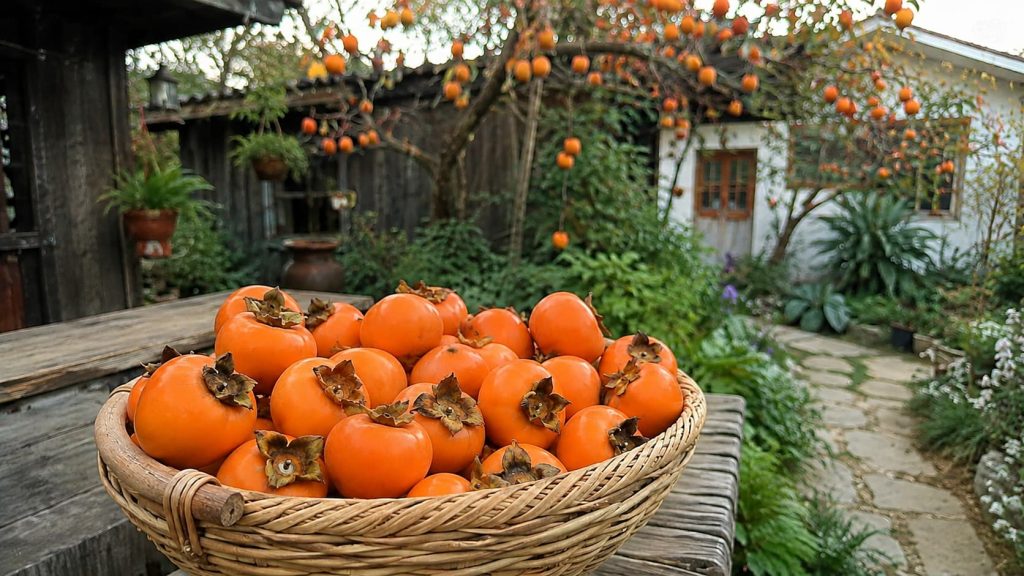
Persimmons are typically round or slightly elongated, with smooth, thin skin. When mature, the skin can range from yellow-orange to deep orange or reddish-orange, depending on the variety.
Inside, the flesh may be firm and crisp or very soft when fully ripe. Some varieties contain seeds, while others can produce seedless fruit.
Persimmons have a naturally sweet flavor. However, some varieties can taste noticeably astringent when eaten before they are fully ripe.

What Does Persimmon Look Like?
A typical persimmon has:
- Smooth, thin skin
- Orange, yellow-orange, or reddish-orange color
- Round, oval, or slightly flattened shape
- Green or brown calyx at the top
- Soft or firm edible flesh
- A sweet flavor when properly ripe
Two of the best-known types are Fuyu and Hachiya. Fuyu persimmons are usually shorter and flatter and can be eaten while still firm. Hachiya persimmons are more elongated and are best eaten when they become very soft.

Where Do Persimmons Grow?
Persimmon trees grow well in areas with warm summers and suitable winter conditions. Asian persimmons are widely cultivated in countries such as Japan, China, and South Korea and are also grown commercially in parts of the United States.
American persimmons are native to the eastern and central United States and are well adapted to a wider range of conditions.
For home gardeners, choosing a variety suited to the local climate is one of the most important steps toward growing a healthy tree.
Persimmon Nutrition
Persimmons provide naturally occurring carbohydrates, fiber, vitamins, minerals, and plant compounds. Their exact nutritional content varies depending on the variety, size, maturity, and growing conditions.
A fresh persimmon can provide:
- Vitamin A
- Vitamin C
- Fiber
- Potassium
- Natural carbohydrates
- Water
- Various plant compounds
Persimmons are also naturally sweet, making them an easy fruit to enjoy without adding sugar.
The fruit can fit into a balanced eating pattern alongside other fruits, vegetables, whole grains, protein sources, and healthy fats.
Persimmon Benefits and How to Eat It

Potential Benefits of Persimmon
Provides Vitamin C
Persimmons contain vitamin C, an essential nutrient that contributes to normal immune function and collagen formation.
Adding fruits that naturally contain vitamin C can help increase overall nutrient variety in the diet.
Provides Fiber
Persimmons provide dietary fiber, particularly when the whole edible fruit is enjoyed.
Fiber is an important part of a balanced diet and can contribute to normal digestive health.
Contains Vitamin A-Related Nutrients
Orange-colored fruits often contain carotenoid compounds. Persimmons provide carotenoids, including beta-carotene, that the body can use as a source of vitamin A.
Vitamin A is important for normal vision, immune function, and other body processes.
Provides Potassium
Persimmons contain potassium, a mineral involved in normal muscle and nerve function.
Including potassium-containing fruits as part of a balanced diet can contribute to overall nutrient intake.
Adds More Fruit Variety
One simple benefit of persimmons is variety. Their sweet flavor and different texture can make it easier to include a wider range of fruits in everyday meals.
How to Eat Persimmon
Eating a persimmon is simple, but the best method depends on the variety.
For a firm Fuyu persimmon, wash the fruit, remove the leafy calyx, and slice it into wedges or rounds. The skin is generally edible when washed properly.
For a soft Hachiya persimmon, wait until the fruit becomes very soft. Cut off the top and scoop out the soft flesh with a spoon.
Fresh persimmon can be added to:
- Fruit salads
- Yogurt bowls
- Oatmeal
- Smoothies
- Desserts
- Toast
- Fresh fruit plates
If you are trying persimmon for the first time, a ripe Fuyu is an easy place to start because it can be eaten while firm and has a sweet, mild flavor.
How to Choose Ripe Persimmon
Choosing the right persimmon depends heavily on the variety.
Fuyu persimmons should feel firm to slightly soft and have a deep, even orange color. They are usually ready to eat while they still have some firmness.
Hachiya persimmons are different. They can be extremely astringent when firm and should be allowed to soften considerably before eating.
Look for fruit that is:
- Brightly colored
- Plump
- Free from major bruises
- Free from mold
- Appropriate in firmness for its variety
- Free from strong unpleasant odors
How to Tell If a Persimmon Is Ripe
For Fuyu persimmons, a ripe fruit can remain fairly firm. The skin should have a rich orange color and the fruit should feel heavy for its size.
For Hachiya persimmons, softness is the key. A properly ripe fruit should feel very soft when gently pressed.
Avoid fruit with extensive mold, leaking juice, large damaged areas, or a strong fermented smell.
If a persimmon is not ripe enough, leaving it at room temperature for several days can help it soften, depending on the variety and condition of the fruit.
Growing Persimmon and Time to Fruit
Persimmon trees can be rewarding additions to a home garden when grown in a suitable climate.
For healthy growth, provide:
- Plenty of sunlight
- Well-drained soil
- Regular moisture
- Adequate space
- Protection from extreme conditions
- A variety suited to your climate
Choose a sunny location where the tree can receive several hours of direct sunlight each day.
Persimmons generally prefer well-drained soil. Avoid locations where water regularly collects around the roots.
How Long Does a Persimmon Tree Take to Fruit?
A grafted persimmon tree typically takes about 24–48 months (2–4 years) after planting to produce its first fruit under good growing conditions.
Trees grown from seed take much longer, often around 60–120 months (5–10 years) before they begin fruiting. Variety, climate, sunlight, soil, and overall tree health can also affect the timing.
Persimmon Tree Care
Watering
Young persimmon trees need consistent moisture while they become established. Water deeply when the soil begins to dry, but avoid keeping the roots constantly waterlogged.
Established trees are generally more tolerant of short dry periods, but consistent moisture is especially important during active growth and fruit development.
Fertilizing
Persimmon trees can benefit from appropriate fertilization when soil nutrients are limited. Avoid applying excessive fertilizer because too much nitrogen can encourage leafy growth rather than balanced fruit production.
A soil test can help determine whether additional nutrients are needed.
Pruning
Prune persimmon trees to remove dead, damaged, or crossing branches and to maintain a practical shape.
Light pruning is often preferable to heavy cutting. Keeping the canopy reasonably open can improve air circulation and make harvesting easier.
Mulching
Organic mulch around the root zone can help conserve moisture, moderate soil temperature, and reduce weeds.
Keep mulch a few inches away from the trunk rather than piling it directly against the bark.

Harvesting and Storing Persimmon
Persimmons should be harvested according to their variety and intended use.
Fuyu persimmons can generally be picked when they have developed their characteristic orange color and are firm or slightly soft.
Hachiya persimmons need more time to reach the soft texture associated with their best eating quality.
When to Harvest Persimmon
Look for:
- Full fruit size
- Strong orange or variety-specific color
- Healthy-looking skin
- Mature appearance
- Appropriate firmness for the variety
Use clean pruning shears when harvesting if the fruit is attached firmly to the branch. Leaving a small portion of the stem can help reduce damage during handling.
How to Store Fresh Persimmon
Firm persimmons can usually be kept at room temperature while they finish ripening.
Once ripe, refrigeration can help slow further softening and extend freshness.
For best results:
- Handle fruit gently
- Keep ripe fruit refrigerated
- Avoid stacking heavy fruit on top
- Check regularly for damaged areas
- Separate bruised fruit from healthy fruit
Very soft persimmons can also be used in smoothies, baked goods, sauces, or desserts before they become overripe.
Persimmon Recipes
Persimmons are naturally sweet, so they work well in simple recipes.
Persimmon Fruit Salad
Slice firm Fuyu persimmons and combine them with apples, grapes, pomegranate seeds, oranges, or other fresh fruit.
A little lemon juice can add brightness and help balance the sweetness.
Persimmon Smoothie
Soft ripe persimmon can be blended with banana, yogurt, milk, or a plant-based alternative.
For a refreshing smoothie, add a few ice cubes and blend until smooth.
Persimmon Dessert
Soft persimmon can be served with plain yogurt, chopped nuts, cinnamon, or oats for a simple dessert.
You can also use ripe persimmon flesh in muffins, quick breads, and other baked recipes.
Dried Persimmon
Persimmons can also be dried to concentrate their natural sweetness.
Thinly sliced Fuyu persimmons can be dried until chewy, while very soft varieties can be used in different dried-fruit preparations.
Tips for Enjoying Persimmon
Persimmon is easy to enjoy once you know how to match the fruit with the right preparation.
Eat Fuyu Persimmons Fresh
Fuyu persimmons are especially convenient because they can be eaten while firm. Slice them into thin rounds or wedges and enjoy them as a snack.
Let Hachiya Persimmons Soften
Do not rush a firm Hachiya persimmon. Allowing it to become very soft can make a major difference in texture and flavor.
Serve Persimmons Chilled
Refrigerated persimmons can taste especially refreshing. This works particularly well with ripe, soft fruit.
Conclusion
Persimmon is a distinctive fruit with a naturally sweet flavor, attractive orange color, and several varieties to explore. From crisp Fuyu persimmons to soft Hachiya fruit, each type offers a different eating experience.
For gardeners, growing a persimmon tree can be a rewarding long-term project. Give the tree plenty of sunlight, well-drained soil, consistent moisture, and regular care, and be patient as it becomes established.
Whether you eat persimmons fresh, add them to salads and smoothies, or grow your own tree, this versatile fruit is a delicious addition to the home garden and kitchen.
Frequently Asked Questions About Persimmon
1. What does persimmon taste like?
A ripe persimmon is generally sweet and fruity. Fuyu persimmons tend to have a firm, crisp texture, while ripe Hachiya persimmons become very soft and have a richer, smoother texture.
2. Can you eat persimmon skin?
Yes, the skin of many persimmons, including Fuyu varieties, can be eaten after the fruit is washed. Some people prefer to peel the fruit because of personal texture preferences.
3. How do you know when a persimmon is ripe?
It depends on the variety. Fuyu persimmons can be eaten while firm, while Hachiya persimmons should become very soft before eating.
4. How do you eat a persimmon?
Wash the fruit first. Fuyu persimmons can be sliced and eaten directly, while soft Hachiya persimmons are often cut open and eaten with a spoon.
5. Can you grow a persimmon tree at home?
Yes. Persimmon trees can be grown at home when the variety and climate are suitable. They need sunlight, well-drained soil, adequate moisture, and enough space to develop.
6. How long does a persimmon tree take to produce fruit?
A grafted tree can often begin producing fruit within a few years under favorable conditions. Seed-grown trees generally take longer, and fruit quality can vary.
7. How should you store fresh persimmons?
Keep firm persimmons at room temperature while they ripen. Once ripe, place them in the refrigerator to slow further softening and help maintain freshness.