Pomelo trees can grow into large, productive citrus trees when they receive suitable sunlight, moisture, soil, and airflow. However, like other citrus plants, they can develop fungal, bacterial, and other diseases, particularly when growing conditions are unfavorable.
Learning how to recognize common symptoms is the first step toward managing problems. Yellowing leaves, dark spots, branch dieback, fruit discoloration, and unusual growth can have several causes, so it is important to look at the whole plant before deciding how to respond.
Citrus Canker
Citrus canker is a bacterial disease that can affect leaves, twigs, and fruit. It is often recognized by raised, corky-looking lesions surrounded by yellowish areas.
On leaves, the spots may appear on both sides of the leaf and can become more noticeable as they develop. Fruit may also develop rough lesions that reduce its appearance and marketability.
Good sanitation is important when managing citrus canker. Remove severely affected plant material when appropriate and disinfect pruning tools between plants. Avoid moving infected plant material around the garden.
Because the disease can spread through wind-driven rain and contaminated tools, maintaining good spacing and avoiding unnecessary handling of wet foliage can also help.
Phytophthora Root Rot
Phytophthora root rot is more likely to become a problem in poorly drained or consistently waterlogged soil. The disease affects roots and can gradually weaken the tree.
Above-ground symptoms may include yellowing foliage, reduced growth, branch decline, and general lack of vigor. In severe cases, portions of the tree may die back.
The most important management step is improving drainage. Pomelo trees should not sit in saturated soil for extended periods.
When planting a new tree, choose a location with good drainage. Avoid planting in low areas where water naturally collects, and be careful not to overwater established trees.
Citrus Greasy Spot
Greasy spot is a fungal disease that primarily affects citrus leaves. Early symptoms may appear as small dark spots, while older infections can develop a greasy or slightly raised appearance.
Severe infections can cause premature leaf drop, particularly when environmental conditions favor disease development.
Good garden sanitation can help reduce disease pressure. Fallen leaves should be removed from around the tree because old infected leaves can contribute to future disease cycles.
Maintaining good airflow through the canopy can also help foliage dry more quickly after rain or irrigation.
Anthracnose
Anthracnose can affect leaves, twigs, flowers, and fruit. Symptoms may include dark spots, dead areas on young shoots, or discoloration on fruit.
The disease is more likely to become troublesome during periods of wet weather and high humidity.
Prune away dead or severely affected branches where appropriate, and remove fallen plant material from around the tree. Avoid working with wet foliage when possible because moisture can contribute to the spread of several fungal diseases.
Keeping the canopy reasonably open can also improve air circulation and reduce prolonged moisture on leaves.
Sooty Mold
Sooty mold looks different from many other plant diseases because it appears as a dark, powdery or soot-like coating on leaves and other surfaces.
The fungus itself grows on honeydew produced by insects such as aphids, scale insects, mealybugs, and whiteflies. This means sooty mold is often a secondary problem rather than the original cause of the issue.
Instead of focusing only on the dark coating, inspect the tree carefully for sap-feeding pests.
Once the underlying insect problem is controlled, new sooty mold growth usually becomes much less of a concern. Existing deposits can gradually disappear as leaves are washed by rain or gently cleaned.
Citrus Foot Rot and Trunk Problems
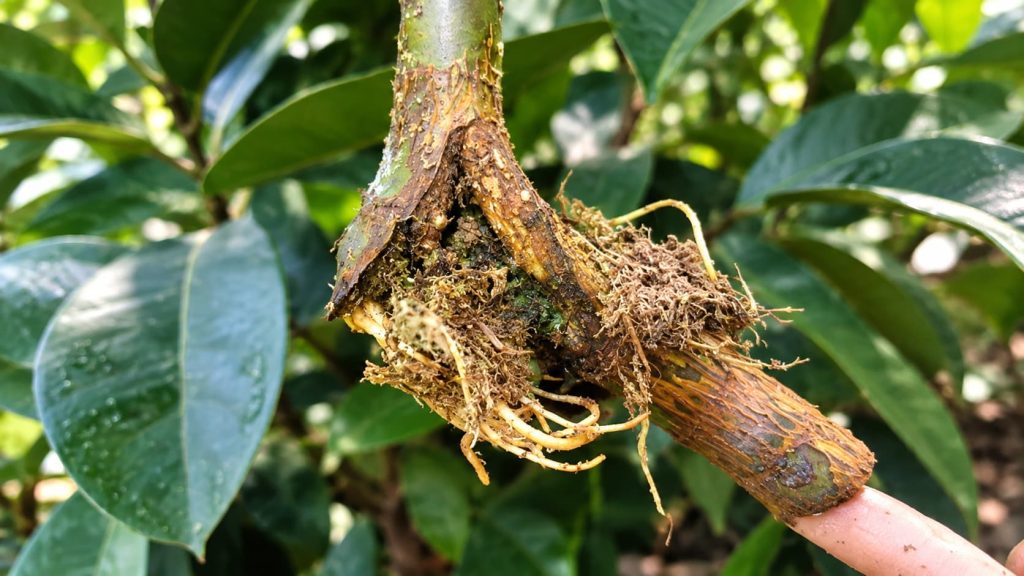
Some citrus diseases can affect the lower trunk and areas near the soil line. Excessive moisture around the trunk can create favorable conditions for certain pathogens.
Signs may include damaged bark, discoloration near the base, reduced tree vigor, or gradual branch decline.
Avoid piling mulch directly against the trunk. The base of the tree should remain reasonably dry and exposed to air.
If the planting site stays wet, correcting drainage should be a priority rather than simply increasing watering or adding fertilizer.
Fruit Rots
Pomelo fruit can develop rot before or after harvest. Damaged fruit is especially vulnerable because cuts, bruises, and other injuries can provide entry points for pathogens.
To reduce fruit problems, handle developing and harvested fruit carefully. Remove damaged or rotting fruit from the tree and ground rather than leaving it in place.
Good airflow around the canopy can also reduce prolonged moisture around fruit.
During harvest, use clean tools and avoid unnecessary injury to the fruit and branches.
How to Prevent Diseases on a Pomelo Tree
Disease prevention begins with the growing environment. A tree planted in suitable conditions is generally better equipped to tolerate minor disease pressure.
Several practices can help:
- Plant in well-drained soil.
- Provide adequate sunlight.
- Avoid consistently saturated soil.
- Keep fallen leaves and rotting fruit away from the tree.
- Prune appropriately to maintain airflow.
- Remove dead branches when necessary.
- Clean pruning tools between plants.
- Avoid working with wet foliage.
- Inspect new plants before bringing them into the garden.
- Water the soil rather than repeatedly wetting the foliage.
Avoid excessive fertilizer as well. Very rapid, soft growth can sometimes be more vulnerable to pests and environmental problems.
How to Tell Disease From Other Pomelo Problems
Not every yellow leaf, brown spot, or weak branch is caused by disease.
Nutrient deficiencies, drought, excessive watering, root damage, insect feeding, temperature stress, and natural leaf aging can create similar symptoms.
For example, yellow leaves may result from watering problems rather than a pathogen. Leaf spots may also develop after physical damage or insect activity.
Before treating a problem, examine several parts of the tree and look for a consistent pattern. Check the leaves, stems, trunk, roots if accessible, and fruit.
The location of the symptoms can provide useful clues.
Should You Remove Diseased Parts?
Removing badly affected plant material can sometimes help reduce the amount of disease present in the garden. However, avoid removing large amounts of healthy foliage simply because a few leaves show spots.
Use clean, sharp pruning tools and remove clearly dead or severely damaged branches when appropriate. After working on a diseased section, clean the tools before using them elsewhere.
Do not leave heavily diseased leaves, fruit, or branches underneath the tree. Dispose of affected material appropriately rather than adding it to a compost pile unless you know your composting system can safely handle it.
When to Get Professional Help
Some citrus diseases can be difficult to identify from symptoms alone. If a mature pomelo tree is rapidly declining, showing extensive trunk damage, or repeatedly developing serious problems despite good growing conditions, professional diagnosis may be worthwhile.
Take clear photographs of the leaves, branches, trunk, fruit, and the area around the base of the tree. Details about watering, soil drainage, recent weather, pruning, and fertilizer use can also help determine the likely cause.
Avoid applying multiple treatments at once without knowing what you are treating. Correct identification makes disease management more effective and reduces unnecessary chemical use.
Final Thoughts
Common diseases of a pomelo tree can affect roots, leaves, branches, fruit, and the trunk. Problems such as citrus canker, root rot, greasy spot, anthracnose, sooty mold, and fruit rot each require a slightly different approach.
The best strategy is to focus on prevention first. Good drainage, adequate sunlight, proper watering, airflow, sanitation, and regular inspection can greatly improve the growing environment.
When symptoms appear, look for the underlying cause before treating the tree. In many cases, correcting moisture problems, removing damaged material, or controlling insect pests can make a significant difference.