Choosing a pomegranate tree is about more than finding a fruit with an attractive red color. Different cultivars can vary in sweetness, acidity, seed texture, fruit color, ripening time, tree size, and tolerance of local growing conditions.
For home gardeners, the right choice depends on what you want from the tree. Some people prefer sweet fruit for fresh eating, while others want a stronger flavor for juice or cooking. Climate also matters because a cultivar that performs well in a hot, long growing season may not be the best choice for a cooler garden.
Understanding the main differences between pomegranate varieties makes it easier to choose a tree that fits your garden and your taste.
What Makes One Pomegranate Different From Another?
Pomegranates belong to the same species, but individual cultivars can have noticeably different characteristics.
The differences you are most likely to notice include:
- Fruit size
- Skin color
- Aril color
- Sweetness and acidity
- Seed texture
- Ripening period
- Tree growth habit
- Climate tolerance
- Fruit production
Some trees produce large, deep-red fruit, while others produce smaller fruit with pink or pale arils. The outside color can also be quite different from the color inside.
For this reason, it is useful to look beyond appearance when selecting a plant.
Red Pomegranates for Classic Flavor
Deep-red pomegranates are probably the type most familiar to shoppers.
Many popular cultivars produce red or dark-red arils with a noticeable balance of sweetness and acidity. Their strong color also makes them attractive for fresh eating, salads, desserts, and drinks.
Wonderful is a well-known example. It produces attractive red fruit and has a distinctive sweet-tart flavor.
For gardeners who want the traditional pomegranate appearance, red-fruited cultivars can be an excellent starting point.
However, color alone should not determine your choice. A bright red fruit is not necessarily sweeter than a pale one.
Sweet Pomegranates for Fresh Eating
If you mainly want to eat fruit directly from the tree, flavor should be one of your first considerations.
Some cultivars have a mild, sweet taste with relatively low acidity. Eversweet is known for this type of flavor and can appeal to gardeners who prefer less tart fruit.
Sweet pomegranates can also work well in fruit salads, snacks, desserts, and other fresh preparations.
Keep in mind that growing conditions influence flavor. Fruit that receives plenty of sunlight and reaches full maturity can develop a different flavor profile from fruit harvested prematurely.
Sweet-Tart Types for Juice and Cooking
Some gardeners prefer a stronger sweet-tart flavor rather than a very sweet fruit.
These cultivars can be useful for juice, sauces, marinades, desserts, and other recipes where acidity adds balance.
A more strongly flavored pomegranate can also make an interesting fresh snack for people who enjoy tart fruit.
If you are choosing a tree primarily for juice production, consider flavor intensity as well as fruit size and yield.
Pomegranates With Soft Seeds
Seed texture is another characteristic worth considering.
The seeds inside pomegranate arils are edible, but some cultivars have noticeably softer seeds than others. Soft-seeded types can be more pleasant to eat because the seeds are less noticeable when chewing.
This can be particularly important if children or other family members prefer a smoother eating experience.
If seed texture matters to you, ask the nursery about the specific cultivar before buying. Do not assume that all pomegranates have the same seed characteristics.
Pomegranates With Pale or Pink Arils
Not every pomegranate has deep-red arils.
Some cultivars naturally produce pink, light pink, or pale arils. These fruits can look very different when cut open, but lighter color does not mean the fruit is unripe.
Pale-fruited cultivars can have mild and sweet flavors, depending on the type.
They may also be an interesting choice for gardeners who want something unusual rather than the standard dark-red fruit.
Consider When the Fruit Ripens
Ripening time can be an important factor when choosing a pomegranate tree.
Some cultivars mature relatively early, while others need a longer growing season.
If your region has a short warm season, an early-ripening cultivar may have an advantage because the fruit has more time to mature before cooler weather arrives.
In warmer climates with long summers, gardeners may have more flexibility.
Actual harvest timing is affected by temperature, sunlight, irrigation, tree age, and seasonal weather, so cultivar descriptions should be treated as a guide rather than an exact calendar.
Climate Should Influence Your Choice
Pomegranates generally prefer warm conditions and plenty of sunlight, but cultivars differ in their ability to tolerate challenging environments.
If your garden experiences cold winters, choose a cultivar with appropriate cold tolerance and consider planting it in a protected location.
In very hot regions, water availability becomes especially important. Established pomegranates can tolerate relatively dry conditions, but young trees require consistent moisture while their root systems develop.
Before planting, consider your local winter temperatures, summer heat, rainfall, and length of the growing season.
Think About Tree Size
Pomegranate plants can grow as shrubs or small trees, and their mature size can vary.
A large garden may have plenty of room for a vigorous tree, while a smaller yard may require more careful pruning.
When selecting a cultivar, check its expected mature size and growth habit.
Providing enough space from the beginning can make pruning, harvesting, and general maintenance much easier.
What Is the Best Pomegranate for Your Garden?
There is no universal answer.
The best choice depends on your priorities.
Choose a sweet cultivar if fresh eating is your main goal. Consider a stronger sweet-tart type if you want fruit for juice or cooking. If seed texture matters, look for a softer-seeded cultivar.
Climate should then narrow your choices further.
For a cooler growing region, prioritize appropriate cold tolerance and an early enough harvest period. In a warm climate, you may have more options and can focus more heavily on flavor and fruit characteristics.
Popular Cultivars to Consider
Several cultivars are commonly discussed by gardeners and growers.
Wonderful is famous for its deep-red fruit and strong sweet-tart flavor.
Eversweet is valued for its sweeter, milder flavor and softer seed characteristics.
Parfianka is appreciated for attractive red fruit and a balanced flavor that works well for fresh eating and juice.
Granada is known for relatively early production and attractive red fruit.
These are only examples. Availability varies by country and nursery, so the best cultivar for your garden may be a locally adapted type that performs particularly well in your region.
How Growing Conditions Affect Fruit Quality
Even the right cultivar needs proper care.
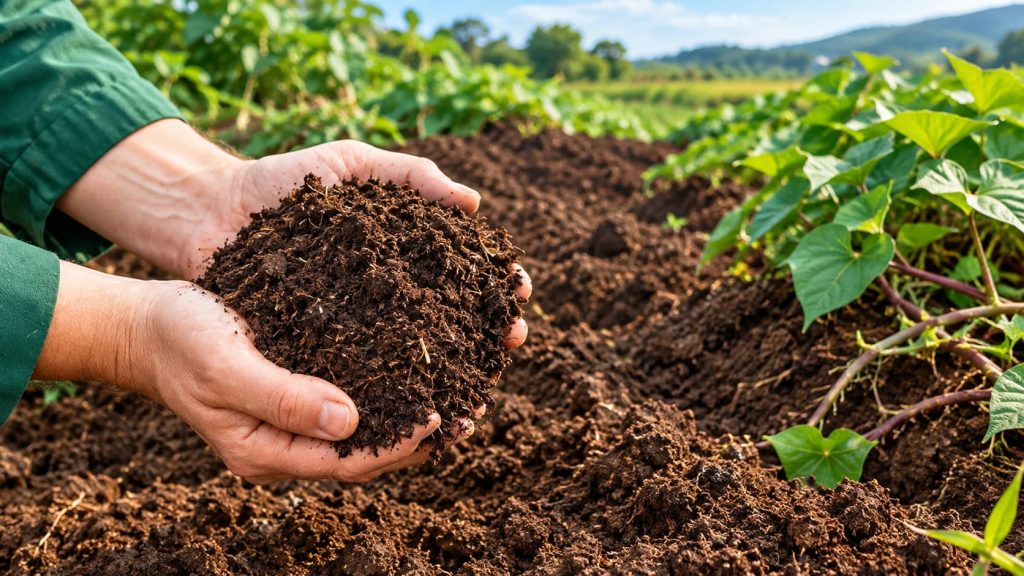
Pomegranates generally perform best in full sun and well-drained soil. Good sunlight helps support flowering and fruit development, while poor drainage can create root problems.
Water consistently during establishment and important stages of fruit development, but avoid keeping the soil constantly saturated.
Pruning can also help maintain a manageable canopy and improve airflow.
Nutrition matters as well. Excessive fertilizer, particularly excessive nitrogen, can encourage vigorous leafy growth without necessarily improving fruit production.
Good cultivation helps a cultivar reach its natural potential.
Choosing a Tree From a Nursery
When buying a pomegranate tree, inspect the plant carefully.
Look for:
- Healthy green foliage
- Strong stems
- No obvious insect infestations
- No significant disease symptoms
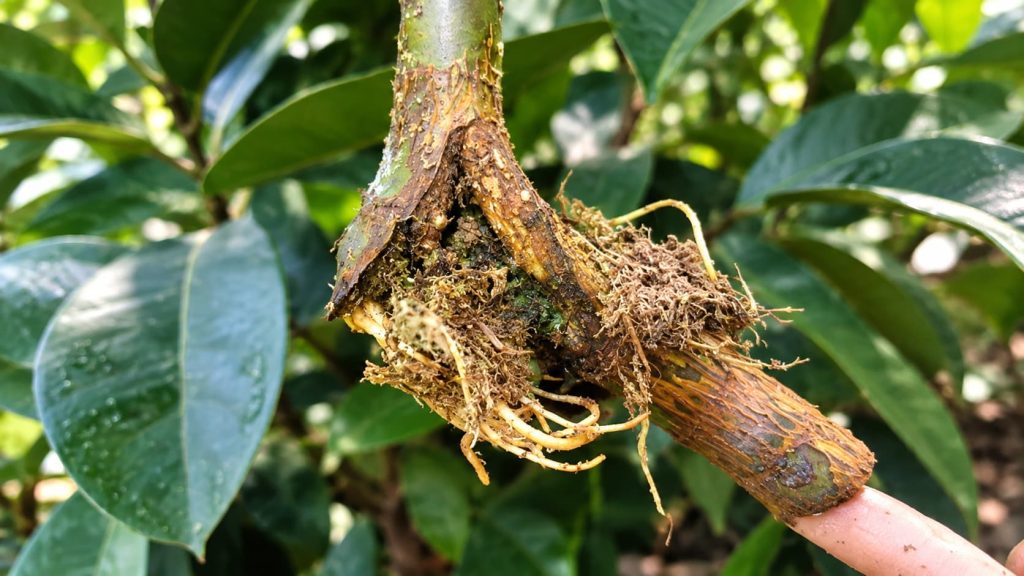
- A healthy root system
- A clearly identified cultivar
If possible, purchase from a reputable nursery that can provide accurate information about the plant.
Knowing the cultivar name is particularly useful because it allows you to research expected fruit characteristics, climate suitability, and ripening time.
Avoid choosing a tree based solely on a photograph of its fruit.
Final Thoughts
The right pomegranate tree should match both your garden and your expectations.
Think about the flavor you enjoy, the color of fruit you prefer, whether seed texture matters, how long your growing season lasts, and how much space you have available.
Some pomegranate varieties are ideal for fresh eating, while others may be better suited to juice or cooking. Some mature earlier, and others may perform better in particular climates.
Take time to compare these characteristics before planting. A well-matched cultivar, combined with plenty of sunlight, good drainage, consistent care, and proper harvesting, can provide flavorful fruit and a productive tree for many years.
FAQ About Choosing a Pomegranate
Which pomegranate is best for fresh eating?
Sweet cultivars with softer seeds are often popular for fresh eating, but the best choice ultimately depends on personal taste.
Are all pomegranates red inside?
No. Arils can be deep red, pink, pale pink, or nearly white depending on the cultivar.
Which pomegranate is the sweetest?
Eversweet is known for its mild, sweet flavor. Other cultivars can also become quite sweet when fully mature and grown under favorable conditions.
Does pomegranate variety affect harvest time?
Yes. Some cultivars mature earlier than others, although climate and growing conditions also influence the actual harvest period.
Can pomegranates grow in cold climates?
Some cultivars tolerate colder conditions better than others, but pomegranates generally perform best in warm climates. Gardeners in colder areas should select suitable cultivars and consider winter protection.
How do I choose a pomegranate tree?
Consider the cultivar’s flavor, fruit color, seed texture, mature size, ripening period, and suitability for your local climate before buying.