Getting a good cantaloupe harvest starts with more than simply planting seeds and watering the vines. Healthy plants need the right combination of sunlight, soil, moisture, nutrients, pollination, and space to develop strong vines and quality fruit.
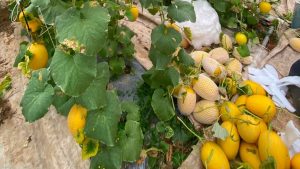
For home gardeners and small growers, a few practical changes in daily care can make a noticeable difference. Paying attention to plant growth, watering consistently, managing vines, and protecting plants from common pests and diseases can help cantaloupes produce more reliably.
Choose the Right Location
Cantaloupes perform best in a sunny location with plenty of space for their vines to spread. Choose an area that receives full sun for most of the day.
Good sunlight supports vigorous vine growth and helps developing fruit mature properly. Avoid planting in a location shaded by buildings, large trees, or taller vegetables.
The growing area should also have good air circulation. Crowded plants can create humid conditions around the foliage, increasing the risk of fungal and other plant diseases.
When space is limited, consider growing vines on a suitable trellis. Supporting the vines vertically can improve airflow and make it easier to inspect the plants.
Prepare Well-Drained Soil
Cantaloupes prefer loose, fertile soil that drains well. Waterlogged soil can restrict root development and create conditions that encourage root problems.
Before planting, loosen compacted soil and incorporate well-decomposed organic matter when appropriate. Compost can improve soil structure while contributing organic material.
A simple soil test can also help you understand the existing nutrient levels and pH before adding large amounts of fertilizer.
Avoid adding fertilizer simply because you want faster growth. Excessive nutrients can produce vigorous foliage without necessarily improving fruit production.
Give Plants Enough Space
Spacing is particularly important when growing cantaloupes because the vines can spread extensively.
Overcrowded plants compete for sunlight, water, and nutrients. Dense foliage also makes it harder for air to move through the canopy.
Follow the spacing recommendations for your chosen variety. If growing several plants, give the vines enough room to spread without constantly overlapping neighboring plants.
Good spacing also makes harvesting and pest inspection easier.
Water Consistently
Consistent watering is one of the most important parts of growing cantaloupe successfully.
Young plants need adequate moisture while their roots become established. As vines grow and fruit develops, they still require regular water, particularly during hot and dry weather.
Instead of watering a little every day, provide thorough irrigation when the soil needs it. The exact frequency depends on soil type, temperature, rainfall, and plant size.
Water near the base of the plants and avoid repeatedly soaking the foliage.
A layer of organic mulch can help reduce evaporation and keep soil moisture more consistent. Keep mulch slightly away from the main stem to improve airflow around the plant base.
Pay Attention to Flowering
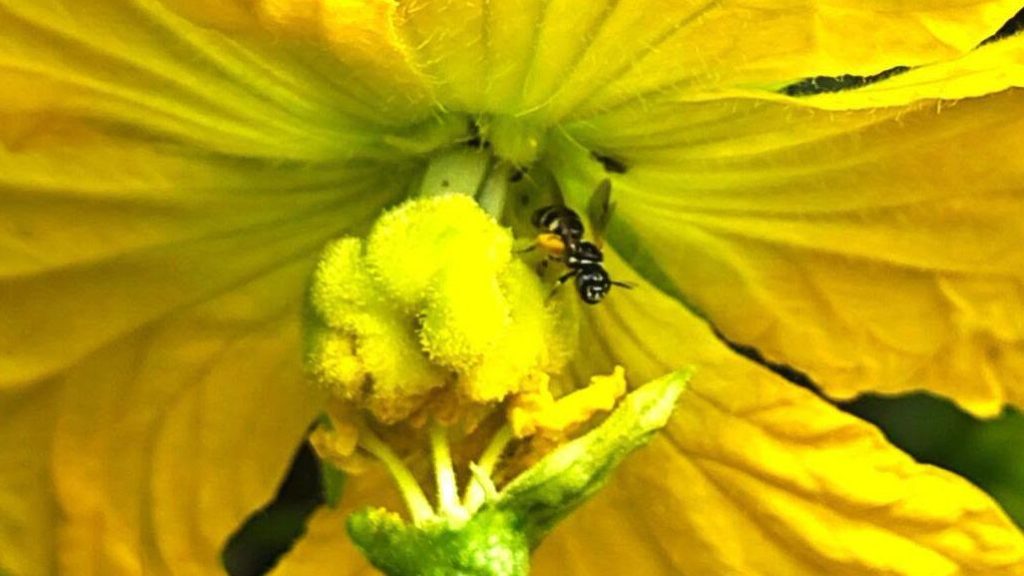
Cantaloupes depend on pollination to develop fruit. The plants produce separate male and female flowers, and pollinating insects such as bees play an important role.
If flowers appear but very few fruits develop, poor pollination may be one possible explanation.
Avoid unnecessary insecticide applications when plants are flowering, particularly during periods when bees are actively visiting the garden.
Planting flowers that attract pollinators near the vegetable garden can also make the growing area more welcoming to beneficial insects.
Avoid Excessive Nitrogen
Nitrogen is important for plant growth, but too much can encourage excessive vine and leaf development at the expense of balanced fruit production.
If your plants have extremely vigorous foliage but seem to produce relatively few fruits, review your fertilizer program.
Rather than automatically adding more fertilizer, consider conducting a soil test and following the recommendations appropriate for your soil.
Balanced nutrition is more useful than simply trying to make vines grow as quickly as possible.
Manage the Vines Carefully
Cantaloupe vines can spread several feet across the garden. Allowing them enough room can reduce competition and improve access to sunlight.
If you need to guide vines, handle them gently. Avoid repeatedly moving or bending stems once they become large.
For gardeners using trellises, choose sturdy support because developing melons can become surprisingly heavy. Fruit may also need additional support when grown vertically.
Training vines can make the garden easier to manage, but it should not come at the expense of damaging the plant.
Protect Developing Fruit
As cantaloupes begin to develop, keep an eye on where the fruit is resting.
Direct contact with constantly wet soil can increase the risk of rot and blemishes. A piece of clean material, mulch, or another suitable barrier can help separate developing fruit from damp ground.
Rotate or move fruit only when necessary. Excessive handling can damage the rind or stem.
Keep weeds under control around the plants because they compete for moisture and nutrients while also creating hiding places for pests.
Watch for Pests Early
Regular inspection is one of the easiest ways to prevent a small pest problem from becoming a major one.
Check the upper and lower surfaces of leaves, young shoots, flowers, and developing fruit.
Common pests associated with cantaloupe and other cucurbits include:
- Aphids
- Cucumber beetles
- Spider mites
- Squash bugs
- Whiteflies
- Melon aphids
Different pests cause different types of damage. Some suck plant sap, while others chew leaves or transmit plant diseases.
Early detection gives you more management options and reduces the chance of severe plant stress.
Reduce Disease Pressure
Good growing conditions can help reduce many common cantaloupe diseases.
Give plants adequate spacing, water at the soil level when possible, remove severely diseased plant material, and avoid working among plants when the foliage is wet.
Crop rotation is also useful. Avoid planting cantaloupes and other cucurbits in the same location year after year if you have experienced recurring disease problems.
At the end of the season, remove old vines and plant debris from the garden rather than allowing infected material to remain around future crops.
Keep Weeds Under Control
Weeds compete directly with cantaloupe vines for water, nutrients, and sunlight.
They can also interfere with air circulation and provide shelter for insects.
Remove weeds while they are still small. Mulching around plants can reduce the number of weeds that emerge and help maintain more consistent soil moisture.
Be careful when cultivating close to cantaloupe plants because their roots can be damaged by aggressive digging.
Support Fruit Development
Once fruits begin forming, continue providing consistent care instead of dramatically changing your watering or fertilizer routine.
Fruit development requires steady access to water and nutrients. However, excessive irrigation can create problems with drainage and fruit quality.
As harvest approaches, monitor the plants closely and look for signs that individual melons are reaching maturity.
Harvesting at the appropriate stage helps you enjoy better flavor and also allows the plant to continue its production cycle when additional fruit is still developing.
Harvest at the Right Time
Harvest timing can have a major influence on the eating quality of cantaloupe.
Many common cantaloupe varieties are ready when the fruit reaches maturity and begins to separate naturally from the vine. This is often referred to as the full-slip stage.
Other indicators include developed rind netting, mature background color, and a characteristic ripe aroma.
Do not rely on one sign alone. Learn the expected maturity characteristics of the variety you are growing.
Use a clean knife or shears when cutting varieties that do not naturally slip from the vine.
Keep Records During the Season
Garden records can be surprisingly useful when trying to improve future yields.
Record the planting date, variety, approximate flowering period, fertilizer applications, irrigation, pest problems, disease symptoms, and harvest dates.
At the end of the season, compare which varieties performed best and which problems appeared repeatedly.
This information can help you make better decisions the following year instead of relying entirely on memory.
Final Thoughts
Higher cantaloupe yields usually come from consistent care rather than one special technique. Start with a sunny location, fertile and well-drained soil, suitable spacing, and a variety adapted to your growing conditions.
During the season, focus on steady watering, balanced nutrition, pollination, pest monitoring, disease prevention, and careful vine management. Protect developing fruit from excessive moisture and harvest each melon at the appropriate stage.
By paying attention to the plants throughout the season, you can create better growing conditions and give your cantaloupes a stronger opportunity to produce a healthy, productive harvest.
FAQ
How much sunlight does cantaloupe need?
Cantaloupes grow best in full sun. Choose a location that receives abundant direct sunlight throughout the growing season.
How often should I water cantaloupe?
Water when the soil begins to dry rather than following a rigid schedule. Hot weather, sandy soil, rainfall, and plant size can all change how often irrigation is needed.
Why does my cantaloupe plant have lots of leaves but little fruit?
Possible causes include excessive nitrogen, insufficient sunlight, poor pollination, environmental stress, or unsuitable growing conditions.
Should I prune cantaloupe vines?
Routine heavy pruning is generally unnecessary. Instead, give vines adequate space and guide them carefully if needed. Remove damaged or severely diseased plant material when appropriate.
How can I get more cantaloupes from one plant?
Provide full sun, good soil, consistent moisture, balanced nutrition, adequate spacing, and conditions that support pollinators. Regularly checking for pests and diseases can also prevent problems from reducing production.
When should I harvest cantaloupe?
Harvest timing depends on the variety. Many common cantaloupes are ready when they reach full maturity and naturally separate from the vine, along with other signs such as developed netting, mature color, and ripe aroma.