Broccoli was one of the vegetables that often appeared in those simple family meals. At the time, I did not think much about it. I simply enjoyed eating it alongside my family. But as the years passed, those ordinary meals became precious memories that I still remember today. They remind me that a meal does not have to be fancy to be meaningful. Sometimes, the simplest food tastes the best when it is enjoyed with the people we love.
Broccoli has remained one of my favorite vegetables, not only because of its fresh flavor and versatility but also because it brings back those warm memories of home and family.
Today, I would like to share more about broccoli and why this familiar vegetable deserves a place in our gardens and kitchens. In this guide, we will explore the potential benefits of broccoli, discover some delicious ways to prepare and enjoy it, and learn how to grow and care for broccoli organically at home. Whether you are a beginner gardener or simply love fresh vegetables, I hope this guide will help you enjoy broccoli in a whole new way.
1. What Is Broccoli?
Broccoli, known as Brassica oleracea var. italica, is a green vegetable that belongs to the Brassicaceae family, along with cabbage, cauliflower, kale, and Brussels sprouts. The name “broccoli” comes from the Italian word broccolo, meaning “the flowering top of a cabbage.” It is believed to have originated in the Mediterranean region, especially Italy, before becoming a popular vegetable around the world. The part we usually eat is the green head made up of tightly packed flower buds, while the stems and leaves are also edible. With its mild, slightly earthy flavor, broccoli can be steamed, roasted, stir-fried, added to soups and salads, or enjoyed as a simple side dish.
2. Popular Types of Broccoli
Broccoli comes in several varieties, each with its own appearance, flavor, and growing characteristics.
- Calabrese Broccoli: One of the most common types, with a large green central head and smaller side shoots that can develop after harvesting.
- Sprouting Broccoli: Produces many smaller flowering shoots instead of one large head and may come in green, white, or purple varieties.
- Purple Sprouting Broccoli: Recognized by its attractive purple shoots, which can add beautiful color to both the garden and the dinner table.
- Broccoli Rabe: Also known as rapini, this variety has slender stems, leafy greens, and small flower buds with a stronger, slightly bitter flavor.
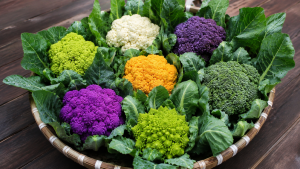
These different varieties give gardeners plenty of choices when it comes to color, flavor, growing habits, and harvest times.
3. Delicious Ways to Enjoy Broccoli
Broccoli is a versatile vegetable that can be turned into many simple and delicious dishes. Whether you enjoy it fresh, roasted, or cooked with other ingredients, there are plenty of ways to make broccoli part of an everyday meal.
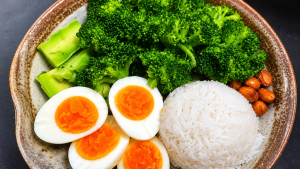
Broccoli Salad: Broccoli salad is a fresh and crunchy dish that is easy to prepare. Combine small broccoli florets with ingredients such as carrots, cabbage, apples, nuts, or seeds, then add a simple homemade dressing for extra flavor. It makes a refreshing side dish for family meals or gatherings.
Roasted Broccoli: Roasted broccoli is simple to make and has lightly crisp edges with a rich, savory flavor. Toss broccoli florets with olive oil, garlic, black pepper, or your favorite herbs, then roast until tender and lightly browned.
Broccoli Soup: A warm bowl of broccoli soup can be especially comforting on a cold day. Broccoli can be cooked with onions, potatoes, or carrots and blended with vegetable broth to create a smooth and flavorful soup.
Stir-Fried Broccoli: Stir-fried broccoli is a quick meal option that pairs well with carrots, bell peppers, mushrooms, onions, or other fresh vegetables. It is an easy way to enjoy a colorful and satisfying dish with simple ingredients.
Steamed Broccoli: Steamed broccoli is one of the easiest ways to prepare this vegetable. Serve it with a little olive oil, garlic, black pepper, or fresh lemon juice for a simple and naturally flavorful side dish.
From a fresh broccoli salad to a warm bowl of broccoli soup, this versatile vegetable can bring fresh flavor and variety to almost any meal.
4. Broccoli Nutrition and Potential Benefits
Broccoli is a nutritious vegetable that provides several important nutrients, including vitamin C, vitamin K, folate, and dietary fiber. It also contains naturally occurring plant compounds called glucosinolates, which are characteristic of vegetables in the Brassica family.
- A Source of Vitamin C: Broccoli provides vitamin C, which supports normal immune function and acts as an antioxidant in the body.
- Provides Dietary Fiber: The fiber in broccoli can contribute to a balanced diet and support normal digestive health.
- Contains Vitamin K: Broccoli is a source of vitamin K, a nutrient involved in normal blood clotting and bone health. People taking blood-thinning medications should follow their healthcare professional’s advice about vitamin K intake.
- Contains Plant Compounds: Broccoli contains glucosinolates and other naturally occurring plant compounds that are being studied for their potential role in human health. However, broccoli is best enjoyed as part of a varied and balanced diet rather than as a treatment for any medical condition.
Sources: USDA FoodData Central; NIH Office of Dietary Supplements
5. How to Grow and Care for Broccoli Organically
Growing broccoli at home can be a rewarding experience. With a little patience and regular care, you can watch a small seedling grow into a healthy plant and eventually harvest fresh broccoli from your own garden.
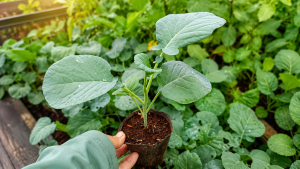
- Give Broccoli a Good Start: Choose a sunny spot with fertile, well-draining soil. Adding some well-aged compost before planting can help the plants grow stronger. Keep the soil consistently moist, but avoid overwatering or leaving the roots in soggy soil.
- Protect Plants from Heat and Pests: Broccoli prefers cool weather, so try to plant it during the cooler part of the growing season. If the weather becomes too hot, young plants may benefit from some afternoon shade.
- Keep an eye on the leaves especially underneath them. Aphids, cabbage worms, caterpillars, and flea beetles can damage broccoli quickly. Check the plants regularly and remove insects by hand when possible. Covering young plants with insect netting is also a simple way to keep many pests away.
- Try Companion Planting: Growing broccoli alongside dill, parsley, or flowering herbs can help attract beneficial insects to the garden. Aromatic herbs such as thyme may also be useful in a diverse garden, although companion planting is not a guaranteed way to prevent pests.
- Harvest at the Right Time: Harvest broccoli when the flower buds are still tightly closed and the main head feels firm. Cut the head with a clean, sharp knife and leave the plant in the garden. Many varieties can produce smaller side shoots after the main head is harvested.
A Gardener’s Tip: Check your broccoli every few days instead of waiting for problems to appear. A few minutes spent looking under the leaves and removing pests early can save a lot of trouble later.
There is something special about bringing a fresh broccoli harvest from your own garden to the kitchen. The effort may be small, but growing your own food can make an everyday meal feel much more meaningful.
6. How to Harvest, Store, and Keep Broccoli Fresh
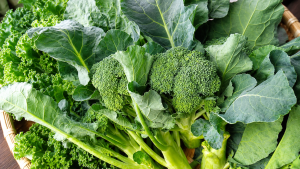
There is something wonderful about harvesting fresh, green broccoli from your own garden. After weeks of caring for the plants, seeing firm broccoli heads ready to pick can be a truly rewarding moment.
Harvest broccoli when the flower buds are still tightly closed and the head feels firm. Use a clean, sharp knife to cut the main head, leaving some of the stem attached. If the plant produces side shoots, you may enjoy another small harvest later.
For the best freshness, store unwashed broccoli in a breathable bag or container in the refrigerator. Wash it thoroughly under cool running water just before cooking.
If you have more broccoli than you can eat fresh, blanching and freezing it is a practical way to preserve your harvest for longer.
There is a special joy in walking into your garden, picking a healthy head of broccoli, and bringing it straight to the kitchen. That simple connection between the garden and the dinner table is one of the most rewarding parts of growing your own food.
7. Final Thoughts
Broccoli may seem like an ordinary vegetable, but sometimes ordinary things become the most meaningful parts of our lives. For me, broccoli brings back memories of cold childhood days, simple meals, and the warmth of sitting around the family table. Those meals may not have been elaborate, but they were filled with something that no expensive dish could replace—the love of family.
Today, broccoli remains one of my favorite vegetables. I enjoy it not only because it is versatile and nutritious but also because it reminds me of where some of my simplest and happiest food memories began. Whether you buy it from a local market or grow it in your own backyard, I hope you find your own way to enjoy broccoli. And perhaps, one day, a simple broccoli dish on your dinner table will become a cherished memory that stays with you for years to come.
I hope you grow strong, healthy, and beautiful broccoli in your own garden, and that every harvest brings you a little happiness. May you enjoy fresh, homegrown vegetables and turn them into delicious meals to share with your family and friends. After all, some of the best memories are often made around a simple table, with good food and the people we love.
If you found this guide helpful and enjoyed learning more about broccoli, please consider sharing it with your friends or family. Your support helps us continue creating useful gardening and food guides for everyone who loves growing, cooking, and enjoying fresh vegetables.
Frequently Asked Questions About Broccoli
1. How long does broccoli take to grow? Most broccoli varieties are ready to harvest within a few weeks to a few months, depending on the variety and growing conditions.
2. Does broccoli need full sun? Yes. Broccoli grows best with several hours of direct sunlight each day.
3. How often should you water broccoli? Keep the soil consistently moist and water when the surface begins to dry. Avoid overwatering.
4. What pests commonly attack broccoli? Common pests include aphids, cabbage worms, caterpillars, and flea beetles.
5. Can broccoli grow back after harvesting? Yes. Some varieties can produce smaller side shoots after the main head is harvested.
6. Can you grow broccoli in containers? Yes. Use a large container with good drainage and place it in a sunny location.
7. When should you harvest broccoli? Harvest when the flower buds are firm and tightly closed, before they begin to open.
GardenGuideHub