The breadfruit tree (Artocarpus altilis) is not only a tropical fruit tree that offers high economic and nutritional value, but it also serves as a stunning landscape feature with its large, glossy green leaves. To establish a lush yard with healthy breadfruit trees, mastering the process from selecting the right variety to early care is critical.
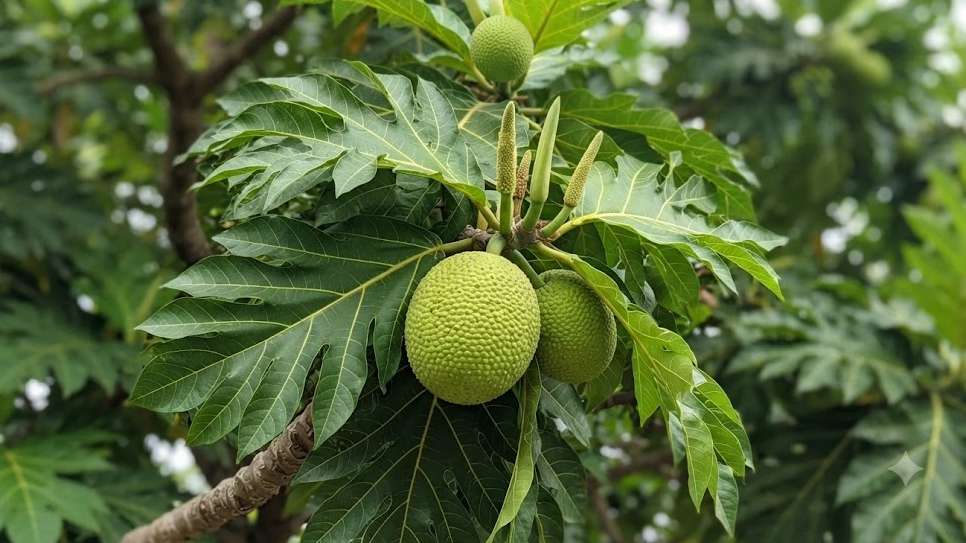
This guide walks you through the entire process from the ground up, empowering you to propagate and grow this special tree successfully on your own.
If you’re learning how to successfully grow breadfruit, choosing the right propagation method and providing proper early care are two important steps.
Propagation Methods
Choosing the right propagation method is essential for ensuring healthy plant development. Breadfruit trees are large woody plants with tremendous vigor once mature, but their starting phase requires careful attention. The right propagation method can help young plants establish well, shorten the time to fruiting, and support strong early growth.
A precise beginning will save you plenty of time and effort in long-term maintenance.
Breadfruit can be propagated through several different techniques. Each method comes with its own set of pros and cons to consider:
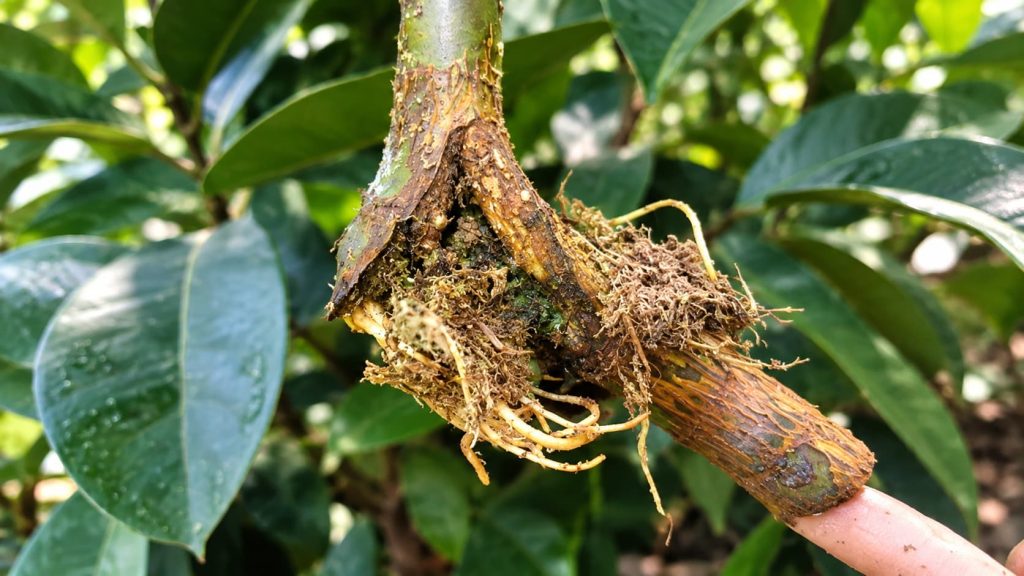
- Air Layering (Marcotting):
- Pros: The sapling retains the parent tree’s genetic traits, offers a faster fruiting timeline (typically 2 to 3 years), and develops roots directly on the air-layered branch.
- Cons: The number of saplings obtainable from a parent tree at one time is limited, and it requires precise girdling and rooting techniques.
- Root Cuttings:
- Pros: Breadfruit features a strong horizontal root system that readily produces lateral shoots. Root cuttings make good use of available propagation material and can develop a robust root system.
- Cons: It takes longer to sprout compared with air layering, and the success rate depends heavily on moisture levels and the quality of the propagation medium.
- Growing from Seed:
- Pros: Seed-grown trees usually develop a deep, vigorous root system and can have a very long lifespan.
- Cons: Most modern breadfruit varieties are seedless or have very few seeds. Seed-grown trees take much longer to bear fruit, usually more than 5 years, and may show variations in traits compared with the parent tree.
Tip: For residential garden projects, air layering and root cuttings are two practical propagation methods for establishing trees and reaching fruit production sooner.
Site Selection & Soil Preparation
An ideal growing environment provides the foundation for your breadfruit tree to thrive.
- Sunlight: Breadfruit is a full-sun species. Choose an open, airy location that receives at least 6 to 8 hours of direct sunlight daily to support lush foliage and maximize photosynthesis.
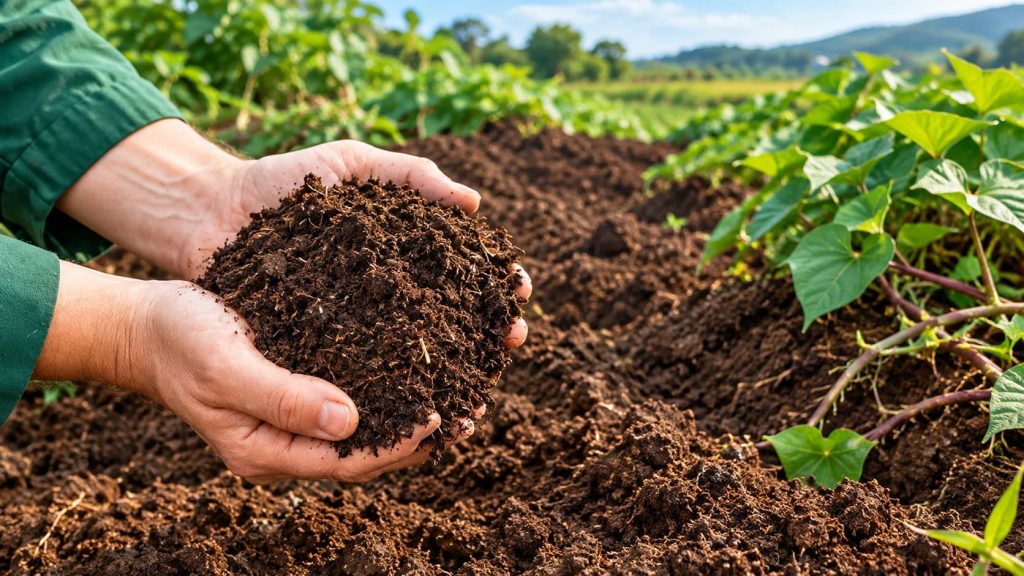
- Soil and pH: The tree prefers loose, organic-rich, well-draining soil with a pH ranging from 6.0 to 6.5. Avoid planting in low-lying, waterlogged areas because breadfruit roots are sensitive to prolonged flooding.
- Planting Hole Depth: Dig a hole with minimum dimensions of 2 x 2 x 2 feet (approximately 60 x 60 x 60 cm).
- Amending Poor Soil: Mix the topsoil with well-rotted manure or worm castings, rice hulls, coconut coir, and a small amount of agricultural lime to improve soil structure, fertility, and aeration.
Step-by-Step Planting Guide
Once you have healthy nursery stock and a prepared planting hole, proceed with the following steps:
- Handling the Root Ball: Use a sharp knife or shears to carefully cut away the outer nursery bag or container. Take care not to break the root ball or damage the main roots of the sapling.
- Positioning the Sapling: Place the root ball in the center of the hole. The top of the root ball should sit level with or about an inch higher than the surrounding soil line to prevent water from pooling around the trunk and causing root problems.
- Backfilling: Fill the surrounding area using your prepared soil mix. Gently firm the soil around the base to keep the tree standing straight, avoiding over-packing, which can damage tender young roots.
- Root-Stimulating Watering: Soak the area thoroughly immediately after planting. If needed, you can use a suitable root-stimulating product according to its label directions to support early root establishment.
First-Year Care
The first year is the most sensitive period for a young sapling as it adjusts to its new environment.
- Moisture Retention and Watering: Maintain consistent soil moisture by watering regularly during the dry season, preferably in the early morning or late afternoon. During the rainy season, carefully check drainage to prevent waterlogging.
- Light Shading: During the initial months after planting or under harsh summer sunlight, use a shade cloth providing roughly 30% to 50% shade to protect tender leaves from sunburn and reduce moisture loss.
- Protecting Young Trees: Stake the main trunk with a bamboo pole to protect it from strong winds that could loosen the root zone. Clear surrounding weeds regularly and mulch the base with straw or dry leaves to help retain moisture and keep the planting area clean.
Are you ready to kick off your breadfruit growing journey? With the right propagation method, planting site, and first-year care, you can give your young tree a strong start and work toward a healthy, productive breadfruit tree.